
History of Technology
293 episodes · Page 4 of 13

#5145: What Life Expectancy Really Meant in the 1600s
That "people died at 35" statistic? It's mostly measuring dead children, not short adult lives.
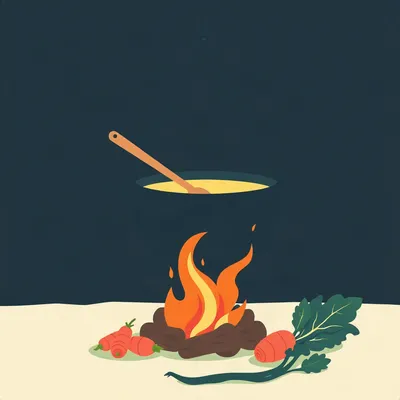
#5144: What Medieval Peasants Actually Ate From the Pot
A cauldron on a chain, a fire that never quite goes out, and the real Tuesday of perpetual pottage — minus the four-hundred-year broth myth.
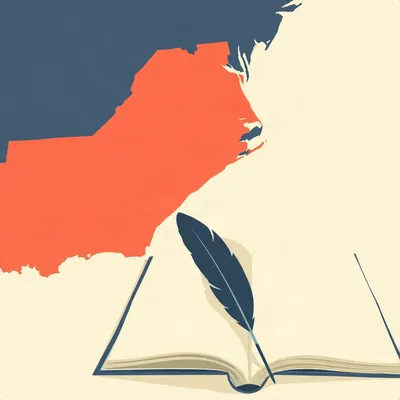
#5143: The Chickasaw Nation: A Dinner Guest Briefing
Who are the Chickasaw? A quick briefing on their history, removal, government, and current leadership transition.

#5140: Teletext: The One-Way Internet That Won't Die
Before dial-up, there was teletext — scores hidden in TV signals. Why it felt like the internet, and why the Dutch never turned it off.
#5067: Who Gets to Investigate the State?
From medieval England to October 7th — how nations investigate their own worst failures, and why the fight over who asks the questions never ends.
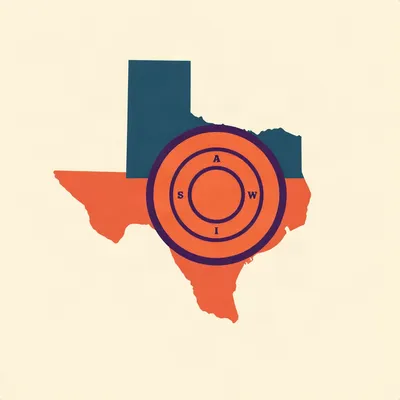
#5046: Mapping Purple: How Texas Really Votes
Texas isn't just red. We break down the blue cities, red rural expanse, and the purple suburbs that decide elections.
#5042: The Town That Vanished From the Map
How do real, populated communities simply disappear from official maps? We explore the strange phenomenon of forgotten towns.
#5040: The 130,000-Person Secret: Beyond Oppenheimer's Story
The Manhattan Project wasn't just physicists on a mesa. It was 130,000 workers, secret cities, and an industrial effort we rarely hear about.
#5020: Korean-Chinese Food: The Real Story Behind K-Drama Delivery
Jajangmyeon, jjamppong, and the diaspora cuisine Korea loves but China doesn't recognize.
#4984: Shanghai's Real vs. Romanticized Art Deco
How much of Shanghai's "Paris of the East" glamour is real, and what was lost to redevelopment?
#4943: When Rome Didn't Have a Standing Army
The Roman Republic fought constantly but disbanded its army every year. So when did standing armies actually begin?
#4887: How to Throw a State Dinner Prank for Your Friends
A deep dive into real diplomatic protocol and how to parody it for an unforgettable dinner party.

#4867: Greenland's Coldest Inhabited Place: How 646 People Survive
Qaanaaq, Greenland, endures weeks below -40°C. How do 646 people survive the planet's most consistently lethal cold?
#4838: The CueCat: A Dot-Com Catastrophe
The story of the free cat-shaped barcode scanner that burned $185 million and then found a second life.
#4805: How a Pig Bladder Became a P100 Filter
From Roman miners using animal bladders to 3M's electrostatic breakthrough — the strange history of breathing protection.
#4804: How Industrial Safety Became an Industry
From the Triangle Shirtwaist fire to OSHA and the conglomerates that own your hard hat.
#4729: How Coffee Was Discovered Before Chemistry
From fermented mush to roasted beans — how early humans discovered impossible foods without any chemistry.
#4719: When the Car Rewired Rural America
How the automobile replaced a dense patchwork of towns with a landscape built entirely around driving.
#4716: Connecticut's Real Cultural DNA: Austerity or Sturdiness?
Is Connecticut's frugality a joyless austerity or a functional sturdiness? We untangle the Puritan and Yankee threads.
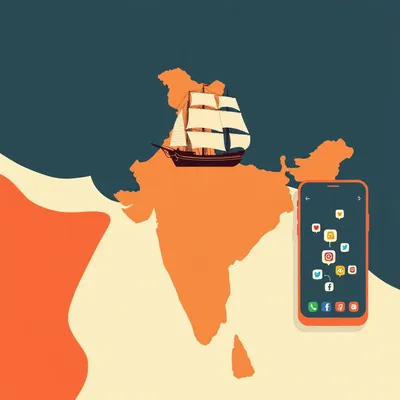
#4659: When Companies Ruled Empires: The EIC Story
How a spice trading firm ended up governing 250 million people — and what that means for Big Tech today.
#4657: From Plugboards to JIT: Who Controls the Hardware?
How the relationship between programming languages and hardware shifted from total programmer control to runtime autonomy.
#4655: The Market vs. The Economy: What's Missing
The stock market is the most watched institution in finance—but it might represent a minority of actual corporate activity. Here's what "the market...
#4652: Can Capitalism Fix What It Breaks?
Exploring whether impact investing can truly solve global problems—or if the profit motive's reliance on scarcity makes it structurally impossible.
#4651: From Medici Bankrolls to 501(c)(3) Filings
Tracing the thread from Renaissance patrons funding cathedrals to the modern nonprofit sector of think tanks and foundations.