
History of Technology
292 episodes · Page 3 of 13

#5502: Clifford Hutsell and the Storybook Houses of Dallas
A listener's childhood mystery: who designed those fantastical Lakewood houses? The answer leads to Storybook architecture.
#5446: The Potter's Field: Who Buries the Unclaimed Dead?
From Hart Island's million graves to the met mitzvah, how societies bury the unclaimed — and why the shame of a pauper's funeral is surprisingly mo...
#5438: Why Linguists Left the AI Room
Large language models grew out of linguistics — so why aren't linguists in the room where they're built?
#5359: When Everyone Goes to University
Degree inflation, a collapsing graduate premium, and the case that mass university was a costly detour.

#5354: Ten Beer Festivals, Ancient to Modern
From Hathor's temple to a Denver convention hall — ten drinking festivals and what actually changed over 3,000 years.
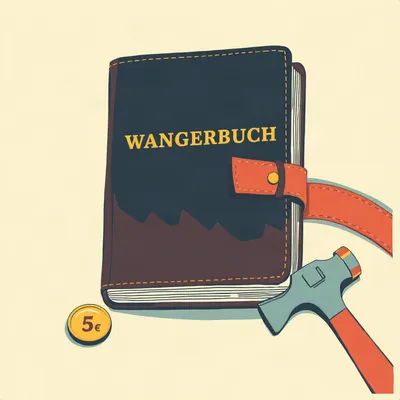
#5374: Why Trades Still Say Apprentice, Journeyman, Master
A papyrus contract from 18 BC, a five-euro coin, and the German Walz — how one medieval ladder survived only in the licensed trades.
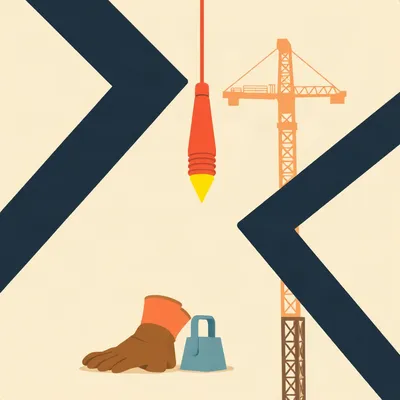
#5344: Ironworking: From Rivet Gangs to Rebar Crews
Ironworking is older than the skyscraper it built. Rivet gangs, Mohawk crews, and why Israel's cranes hide the trade.
#5343: Class, Caste, and the Boarding Pass
Airlines stratify us openly while class talk stays rude. What caste, the Cagot, and sumptuary law reveal about ranking people.
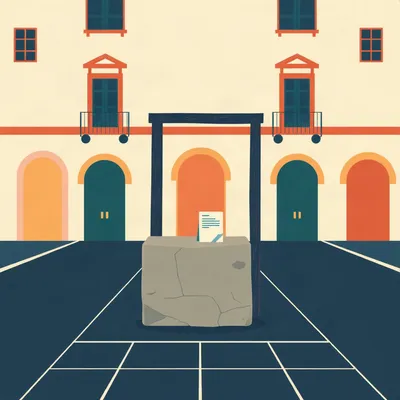
#5341: The Bankruptcy Stone and the Debtor Blacklist
From Florence's stone of scandal to China's debtor blacklist, a tour of the world's most degrading insolvency rituals — and why the U.S. version is...
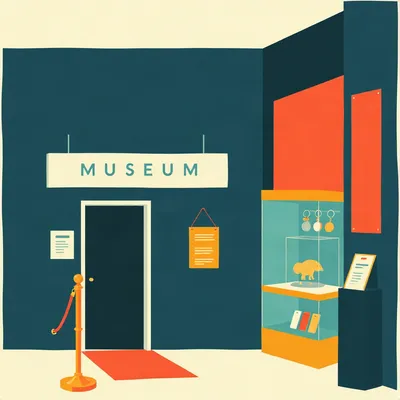
#5337: The World's Weirdest Museums: Poop, Parasites, and Broken Hearts
From a Poozeum in Arizona to Tokyo's parasite museum, we explore the world's most oddly specific collections and the obsession behind them.
#5335: The Hidden History of Toilets and Sanitation
From Indus Valley flush drains to Roman sponge sticks to gong farmers — the surprising, gross, and brilliant story of human waste.
#5333: How Screws Conquered the World
The screw spent 2,000 years as a machine before it held anything together. Here's how it became the hardware aisle we know.
#5332: The Real Story Behind Lunch Atop a Skyscraper
That famous photo wasn't the Empire State Building, wasn't a candid moment, and the "fearless Mohawk" legend is false. Here's what really happened.
#5311: Churchill's McKinsey Interview: When Oratory Meets the Case
Churchill's rhetoric was architectural, every sentence load-bearing. McKinsey wants the answer in sixty seconds. Let's roleplay the collision.
#5289: Why World's Fairs Built Absurd Transit
Moving sidewalks, monorails, and robot boxers: what we lost when technology's grand public spectacles became trade shows.
#5242: Two Neighbors, Two Invasion Plans
Canada drew up a plan to invade the U.S. in 1921. The friendly-neighbor story is only 80 years old.

#5241: How the Library of Congress Became a Universal Library
A fire, a retired book collector, and a copyright law nobody thought through — how three accidents built the world's largest library.

#5238: Robber Barons: Builders or Plunderers?
Rockefeller cut kerosene prices by 90% — and the top 1% owned half of America. Both facts are true. So why can't we agree?
#5225: Carving Paleo-Hebrew Into Everyday Objects
Custom metal stencils, the right vector files, and tasteful ways to bring an ancient script back onto everyday objects.
#5224: When Hands Learned to Cut: Engraving and the First Metals
Half-million-year-old shell grooves, 9,000-year-old copper beads, and the feedback loop that turned cutting lines into an entire civilization.
#5210: How the Placebo Trial Became the Gold Standard
Control groups, placebos, blinding, randomization — four inventions across 250 years, assembled into medicine's most trusted method.

#5168: Ten Inventors You've Never Heard Of
From the yellow traffic light to the geoid model behind GPS — ten inventors whose quiet work reshaped daily life, and why we forgot them.

#5148: How the WHO Essential Medicines List Works
Five days in 1977, eight experts, one list that now shapes what billions of people can get from their pharmacies.
#5145: What Life Expectancy Really Meant in the 1600s
That "people died at 35" statistic? It's mostly measuring dead children, not short adult lives.