
History of Technology
292 episodes · Page 2 of 13
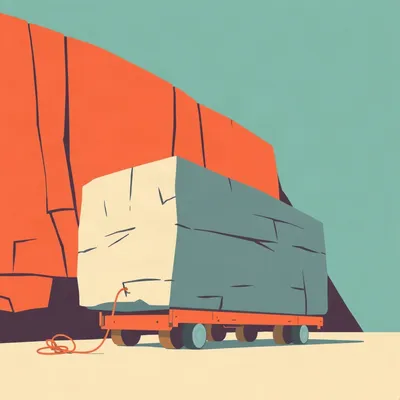
#5822: Building Herod's Wall, One Course at a Time
How 300-tonne limestone blocks became a 488-metre retaining wall — without anyone ever lifting them to the top.

#5816: Why Linux Still Runs on a 1986 Mailing List
Linux 7.3 release candidates ship through a 1986 email tool. Here's why the kernel never left the listserv.
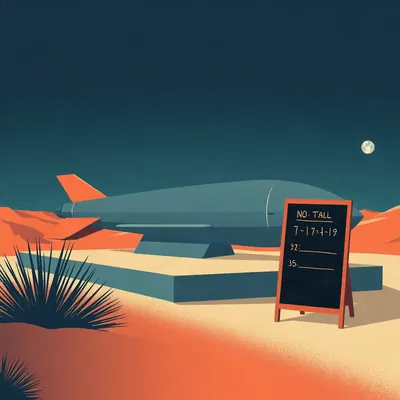
#5798: Project Sundial: Teller's 10-Gigaton Doomsday Proposal
Edward Teller proposed a 10,000-megaton bomb in 1954. The physics allowed it — the delivery problem killed it.
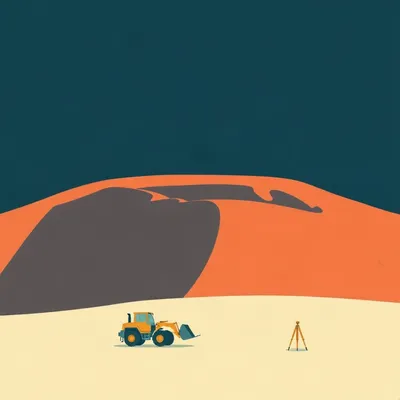
#5795: Digging Harbors with Nuclear Bombs: Project Plowshare
From Sedan's 104-kiloton crater to a plan for 520 bombs in the Negev — how the atomic age tried to become civil engineering.
#5793: Little Boy: The Untested Bomb That Changed War
The gun-type bomb was never tested — yet it was the one they trusted. What Hiroshima's design and aftermath reveal about nuclear war.
#5792: Tsar Bomba: The 50-Megaton Test That Shook the World
In 1961, the Soviets dropped the largest bomb ever built — a weapon with no military purpose, designed to be seen.

#5786: Colgate, Harley, and Bic: Famous Brands' Forgotten Flops
Colgate never sold beef lasagna — but it did sell gassy soybeans. Harley made cologne. Bic made "For Her" pens. The stories are stranger than the l...
#5714: The Moon's Junkyard Has a Gift Shop
150 tons of stuff sits on the Moon. Two objects on one square meter tell opposite stories: a $5.50 nylon flag and a silicon disc built for millennia.

#5709: Life at 76°N: Inside Canada's Arctic Outposts
Grise Fiord scores 0.9839 on Canada's remoteness index. Toronto scores zero. What daily life looks like at the top of the world.

#5700: Did the Internet's Pioneers Know What They Were Building?
Vint Cerf says they didn't know — and they did. How early internet subculture formed, where it lived, and whether it survived.

#5699: From Dawkins to "Karen": How Memes Really Spread
A biologist coined "meme" in 1976. Fifty years later, a Switch trailer screenshot became "Karen." How did we get here?

#5663: Did the Puritans Really Hate Fun?
The Puritans banned alcohol? Invented happy hour rules? A look at what they actually did — and the 1781 hoax we still quote.
#5660: The Siesta Law Nobody Obeys
Israel has a legally mandated afternoon rest that almost nobody takes. Where the siesta came from, why Spain abandoned it, and who's napping now.

#5648: Before the Break: How Rest Became a Right
The work break wasn't handed down on a tablet—it was invented in a 1915 munitions factory by a physiologist who threatened to arrest the manager.
#5638: The Meaning of Life: A 250-Year-Old Question
The phrase "meaning of life" is only ~250 years old — and it arrived exactly when faith started to crack. What religions, philosophers, and everyon...
#5636: Before the 9-to-5: Working Hours in 1700s England
Saint Monday, seasonal building sites, and a scholarly brawl over whether anyone worked 270 days a year before factories existed.

#5601: How Image Forensics Catches Fake Ghosts and Deepfakes
From darkroom magnifying glasses to AI provenance fingerprints — how we've verified photographs for a century.
#5595: Roman Roads Still Running Under Modern Cities
The Aqua Virgo still pours into the Trevi Fountain. The Cloaca Maxima still drains central Rome. What keeps ancient infrastructure alive?
#5582: Who Invented the Internet? Actually, Seven People
The first message ever sent was "LO" — then the system crashed. The real story of the internet is a stack of seven layers, not one genius.

#5580: Before the Word Spy Existed: Venice's Intelligence Machine
Venice ran a centralised spy service with an archive, a spy network, and a counterintelligence body — in the 1400s.

#5575: Why 1930s Riveters Carried Bigger Pouches Than You Do
A catcher's mitt made of metal, a red-hot rivet you can't look at, and the 90-year-old tool list that never changed.
#5562: What "Heavy Industry" Actually Means
It's not about weight — it's about capital intensity and cycles. Why the heavy/light split is younger than the factories it describes.
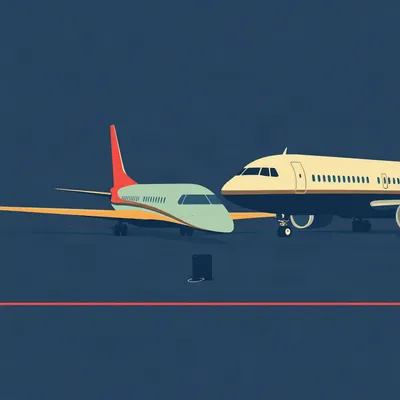
#5555: Five Machines That Peaked at the Wrong Moment
Concorde, Buran, Iridium: the finest machines ever built for a paradigm that vanished while they were still on the drawing board.
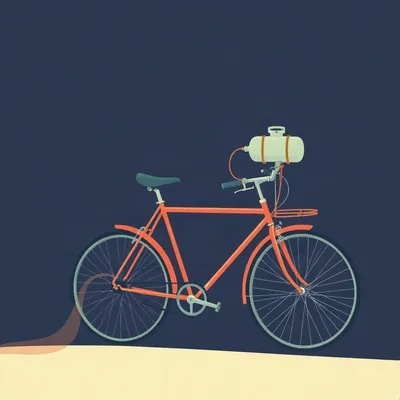
#5545: Jet Engines on Bicycles: The Physics of Bad Ideas
A pulsejet strapped to a bike sounds like a fighter jet — and burns 55 gallons an hour to move one guy who could have pedaled.