

The built environment and movement: urban planning, housing, buildings, infrastructure, aviation, and travel.
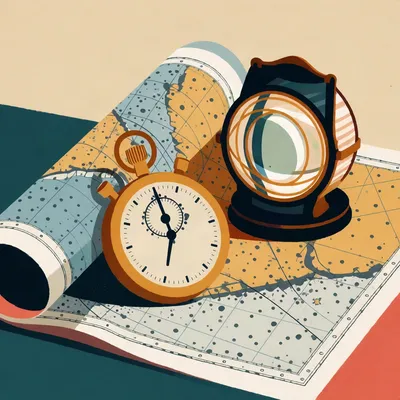
#6653: How Lighthouses Learned to Blink Their Names
Before flashing optics, a red lighthouse beam lost 60% of its light—so engineers invented a language of timed darkness.

#6550: How Streetcar Suburbs Hit the Transit Sweet Spot
Built at 7 to 15 homes per acre, classic streetcar suburbs naturally hit modern frequent-bus thresholds while still giving residents a private yard.
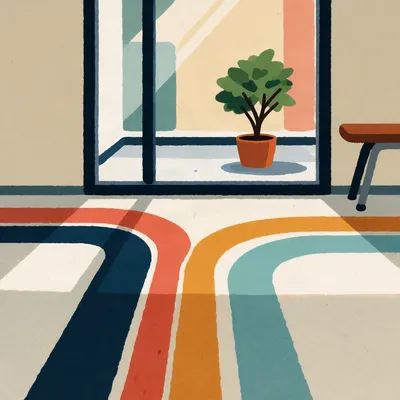
#6530: Why Hospital Wayfinding Relies on Environmental Design
Hospital staff spend thirty minutes each week giving directions to lost visitors, mostly to find basic destinations like restrooms and cafeterias.
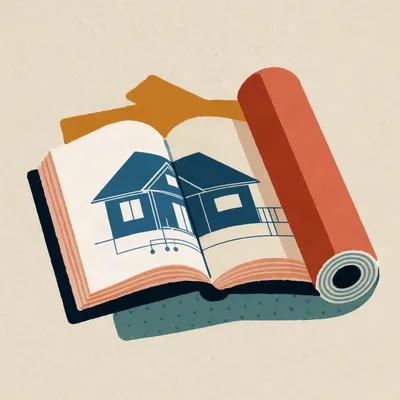
#6488: Why Australian Suburbs Resemble American Ones
In 1907, an ad for Malthoid roofing kicked off Australia's obsession with American Craftsman bungalows, transforming inner-ring suburbs.
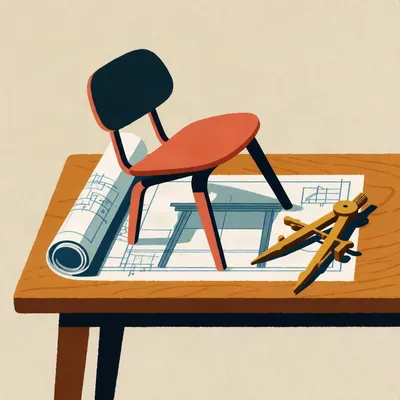
#6414: Scaling an Architecture Practice Without Adding Staff
Seventy percent of a construction specification is reusable across projects, offering small practices a clear opening to automate and productize.

#6413: Why Pedestrian Fatalities Keep Rising on City Streets
Vehicles with front hoods over forty inches tall are forty-five percent more likely to kill a pedestrian than lower, sloping models.
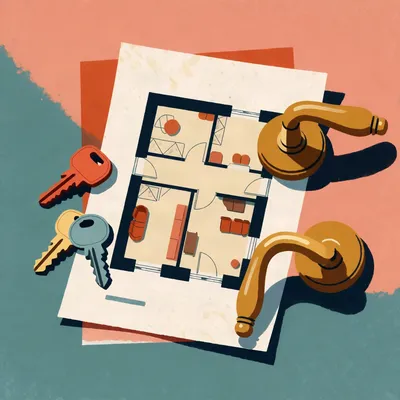
#6411: Why Two Kitchens Keep Multigenerational Homes Peaceful
Japan has spent fifty years engineering multigenerational homes, finding two separate kitchens matter far more than separate bathrooms.
#6404: Why Urban Villages Rely on Selection Over Design
In Vauban, parking spaces cost 17,500 euros in peripheral lots to ensure residential streets remain free of stationary cars.

#6400: Where Pedestrian Zones End and Car-Free Cities Begin
While historic cities like Venice cover over seven square kilometers without cars, retrofitted city centers like Brussels peak around fifty hectares.
#6281: Why Guest Cabins End Up Looking Mismatched
A holiday cabin rental rate can swing from 600 shekels to 1,400 in the same month without a single cushion changing.

#6262: Do Free Buses Actually Pay for Themselves?
When Swansea offered free weekend bus travel, ridership surged over 50% and footfall jumped, but local spending did not rise at all.

#6261: Importing Architectural Tiles into Israel
Israel revoked the temporary $150 personal-import exemption in February, returning the threshold to $75 while VAT sits at 18 percent.
#6260: Why Free Transit Fails to Clear the Roads
Eliminating transit fares increases ridership by up to 49 percent, but research shows it rarely convinces motorists to leave their cars at home.
#6108: ग्रिड आधी बिजली कैसे गँवा देता है — और दिल्ली ने इसे कैसे ठीक किया
बिजली का नुकसान सिंगापुर में शून्य दशमलव दो तीन प्रतिशत से लेकर इराक में उनसठ प्रतिशत तक है। दिल्ली बावन प्रतिशत से साढ़े पाँच प्रतिशत पर आ गई, और वह भी ज़्यादातर बिना नए बिजलीघरों के।

#6082: Brazen, Not Fraudulent: Hunting Staycation Deals in Israel
Last-minute staycation hacks for Israel: empty-hotel leverage, the zimmer sites, card and reservist discounts, and Hilbert's laminated rules for asking a hotel for a deal.
#6081: What If You Stripped Israel Down to Its Original Architecture?
The four-room house, the volute capital, and the question of whether an indigenous Judean architecture can be recovered — or only reinvented.
#6077: Jerusalem's Shuk Is Getting 10 New Towers
The stalls stay put. Everything around them is going up — and a lot of it is going down seven floors first.
#6020: What Buildings Do to Your Body
Measured cortisol, pupil dilation, and fractal dimensions reveal how traditional and modernist buildings shape your nervous system.
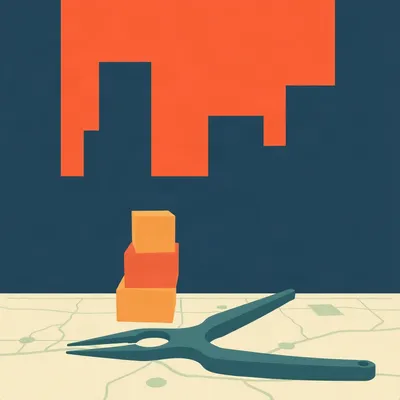
#6019: Who Should Decide What Gets Built?
A listener asks what developers' role in a city should really be — and two very different cities show what happens when you get the answer right or...

#6018: The Plan Nobody Has Ever Read
Jerusalem's Taba is a legal document no single person has ever read cover to cover — and it governs where millions of people can build.