
Digital Privacy
359 episodes
#6396: How Political Scandals Exposed Boring Email Bugs
A 2007 congressional inquiry found the Republican National Committee preserved zero emails for 51 of 88 senior White House accounts.
#6391: How Forensic Tools Search Android for Spyware
Amnesty's Mobile Verification Toolkit removed direct ADB shell analysis because device shell differences caused inconsistent outputs.
#6372: Where Email Attachments Actually Live and Go
Base64 encoding inflates email attachments by roughly 37 percent before servers split them into deduplicated object storage.
#6351: Why GPG Builds an Entire Department Instead of a Key
OpenPGP divides key management into four distinct capabilities: certify, sign, encrypt, and authenticate.
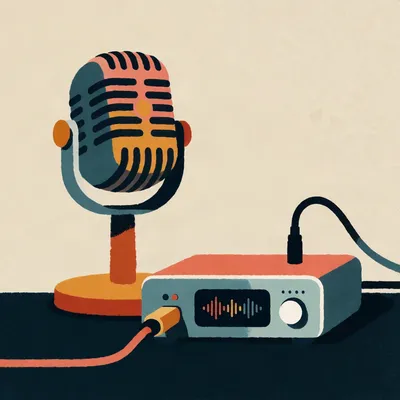
#6342: Why Pitch Shifting Fails to Protect Witnesses
Modern generative voice conversion models can swap vocal identities live with less than eighty milliseconds of delay.
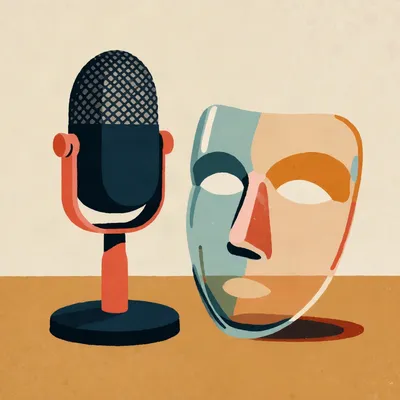
#6340: Disguising Voices Without Losing the Emotion
Benchmark tests show speech anonymizers can protect identity while preserving emotion at an unweighted recall of under 44 percent.

#6337: Where Email Filtering Actually Happens
Business email compromise caused $2.8 billion in losses in 2024 despite passing standard SPF and DKIM authentication checks.
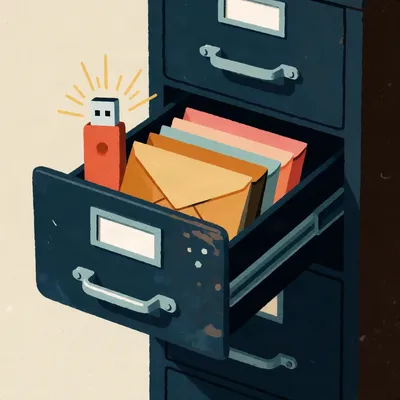
#6331: Backing Up Gmail with Got Your Back
Got Your Back pulls Gmail into individual local EML files using the Gmail API, enabling incremental backups that Google Takeout cannot do.
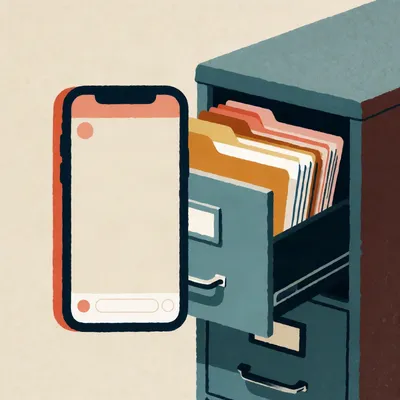
#6330: Why WhatsApp Business Backups Cannot Form an Archive
A routine Google Drive backup of WhatsApp overwrites the previous version, preserving mistakes rather than retaining history.
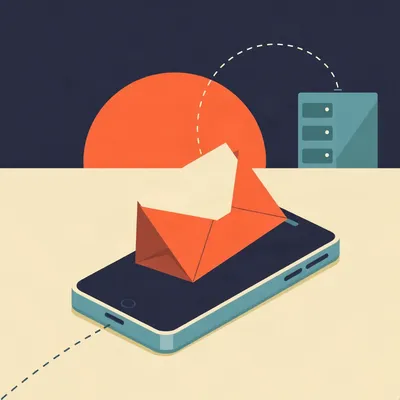
#6193: Why Email Images Still Phone Home
That "load remote images?" prompt is older than your phone. Here's what fetching a picture actually tells the sender.

#6181: Shipping Private Android Apps to Your Family
Daniel wants to ship private Android apps to non-technical relatives. F-Droid repos, Basic Auth, and the Google verification cloud on the horizon.
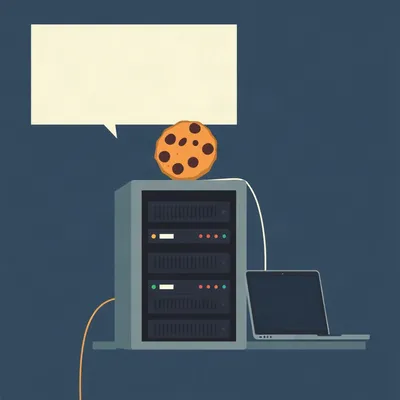
#6167: Streaming Browser Cookies to a Headless Server
Daniel wants his logged-in browser on the home server. Chrome bolted the front door — so what's left?
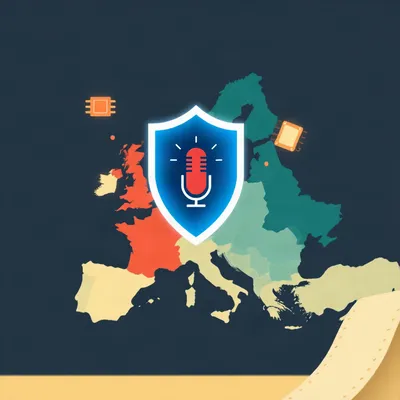
#6104: Mistral AI : le pari européen de la souveraineté en intelligence artificielle
Comment Mistral AI défie la Silicon Valley avec des modèles efficaces, des partenariats stratégiques et son nouveau modèle vocal Voxtral ? Corn et Herman font le point.
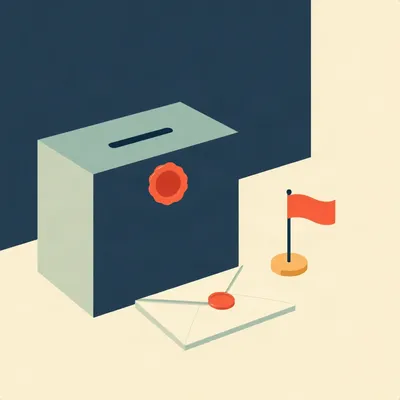
#6100: Voting From an Embassy: Israel's 4,860-Voter Election
101 polling stations in 99 missions, 4,860 eligible voters, 30 hours of polls rolling west with the sun.
#6095: How to Prove Your Photo Is Real
Deepfakes made faking easy. Now the harder problem: proving your real photos and video are real. A field guide.

#6068: Chinese AI Models: Refusing vs. Reframing
New studies show Chinese AI models have shifted from refusing sensitive questions to answering them — in the Party's voice.
#6041: How CENO Moves a Web Page Into a Censored Country
A walk through CENO's actual plumbing: signed caches, volunteer bridges, and why the chain is deliberately short.
#5979: Why We Shake Hands: A 2,800-Year History
The handshake wasn't inevitable — it won. From Assyrian treaty reliefs to Quaker radicalism, how one gesture conquered the world.
#5850: Ambient Computing: Why Glasses Beat the Phone
Weiser's 1991 vision said tech should disappear. Thirty-five years later, the device that finally worked wasn't new — it was glasses.

#5818: 46,434 Mailing Lists That Still Work
Daniel wants a public town hall. Turns out the oldest tool on the internet — the mailing list — might be the right one.
#5715: No Phone, No Panic: Safety Without Surveillance
A parent takes a kid out for hours, phone-free. When does check-in become care, and when does it become control?

#5714: The Moon's Junkyard Has a Gift Shop
150 tons of stuff sits on the Moon. Two objects on one square meter tell opposite stories: a $5.50 nylon flag and a silicon disc built for millennia.
#5695: Gut-Brain Drugs: Why Old Antidepressants Help Bloating
A listener with post-cholecystectomy bloating asks why an old antidepressant might help — and whether anything better is coming.
#5629: Keyloggers, Stingrays, and the Library Laptop Grab
Tor, Signal, full-disk encryption — and a chip on the motherboard that none of them can see.