
Body and mind: mental health, stress, ADHD and neurodivergence, sleep, medicine and everyday psychology.
#6652: Nostalgia Is a Trait, and Antiques Are Just Taste
Seventy-nine percent of people feel nostalgic at least once a week, and research shows it's a sign of attachment security rather than avoidance.
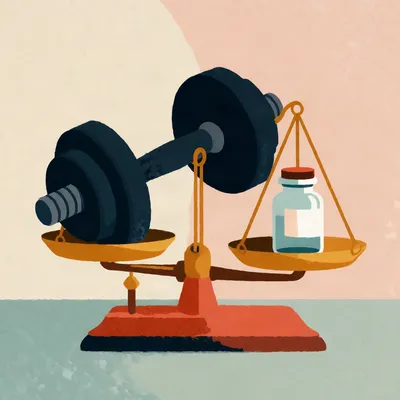
#6651: What Exercise Trials for Depression Actually Show
The BMJ network meta-analysis comparing exercise to antidepressants used indirect statistical chains, not head-to-head trials.
#6650: How Sleep Deprivation Temporarily Lifts Depression
One sleepless night lifts depression in about half of patients within hours, yet 83% of unmedicated responders relapse after their next sleep.

#6649: Brain implants for depression and the two-millimetre gap
In major trials of deep brain stimulation for depression, patients with devices switched off sometimes improved more than those switched on.
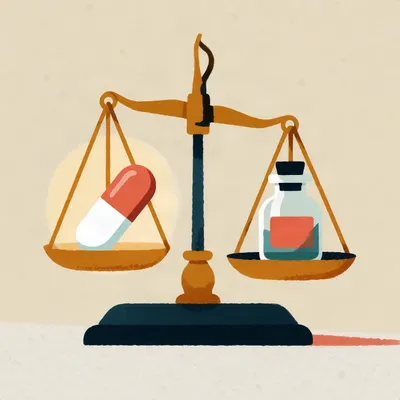
#6648: What Psilocybin Depression Trials Actually Show
Compass Pathways' Phase 3 trials for COMP360 hit their primary endpoints, but the Week 6 improvement over placebo was just 3.6 MADRS points.

#6647: What Bridges the Gap Before Antidepressants Work
More than nine out of ten people who survive a suicide attempt go on to live out their lives, showing the crisis often passes.
#6646: How Magnetic Pulses Target Depression Circuits
Theta-burst stimulation cuts a 37-minute magnetic brain session to 3 minutes, yet randomized trials still show a 24% vs. 12% placebo gap.
#6645: No Addictive Personality Type, Just Shared Traits
An analysis of 175 studies found neuroticism and urgency are linked to addiction, even though no single 'addictive personality' type exists.
#6644: How Ketamine Lifts Depression in Hours, Not Weeks
A subanesthetic dose of ketamine can grow new dendritic spines in hours, beating placebo by 3.44 MADRS points in a single day.
#6605: Four Layers Between Your Ears and Background Noise
In a classic listening test, two-thirds of people with low working-memory span heard their name in an ignored ear, versus one in five with high span.
#6589: Why Standing in Line Feels Longer Than Walking
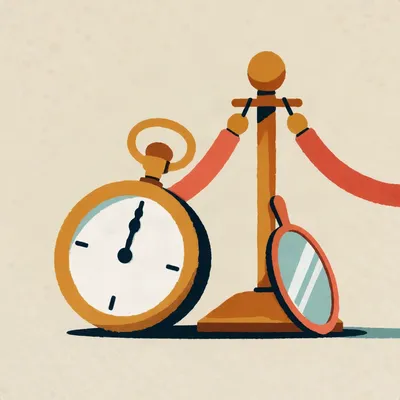
Houston airport cut baggage complaints to near zero by making passengers walk six times farther, increasing total wait time.

#6570: Grieving a Living Parent Without a Diagnosis
Receiving a clinical diagnosis for an estranged parent wouldn't bring closure—it would only trade one form of ambiguous loss for another.
#6569: Why Warm In-Laws Trigger Grief for Estranged Parents
A 2025 YouGov poll found 16% of American adults are estranged from a parent, yet the grief has no social script.

#6568: How Parental Scorekeeping Turns Gifts Into Unpayable Debt
Studies using the Revised Indebtedness Scale show that the more you feel you owe someone, the less grateful you actually feel.

#6567: Protecting a Child From a Toxic Grandparent
A Cornell survey found 27% of American adults—roughly 67 million people—are estranged from a family member, most often a parent.
#6566: Why Your Body Blames You Before You Think
The physical punch in the gut from a parent's text fires in your brain's pain system before your mind invents the self-blame.

#6565: Why Guilt Lingers After Going No Contact
Longitudinal data shows 81 percent of adult children estranged from their mothers eventually reconnect, making it a process, not a single event.

#6564: The Predictable Structure of Estranged-Parent Emails
Research shows that communicating expectations alongside a gift reliably drives indebtedness up and gratitude down.
#6563: Why Siblings Experience Different Childhoods
A 30-study meta-analysis found parents favor conscientious kids simply because they are easier to manage.

#6545: Why Kitchen Smells Hijack ADHD Focus Like Noise
Brain imaging shows adults with ADHD have normal noses, but their brains allocate attention to odors differently during effortful work.