

Choosing what to buy: comparing products and brands, reading spec sheets, durability and value for money, in any domain from tech to tools to baby gear. An extra channel alongside an episode's main one.
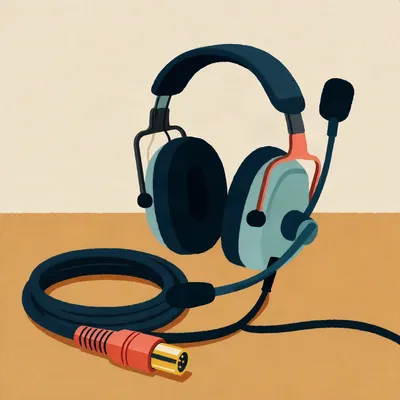
#6507: Why Broadcast Headsets Fit Commentators but Not Voiceover
Classic broadcast headsets avoid room noise at close range, but almost none use native USB or fit long studio voiceover sessions.

#6505: Why Blanket Forts Beat Expensive Portable Vocal Booths
A blanket fort dampens room reflections for under eighty-five dollars, but no portable fabric rig can stop outside noise from entering.

#6478: Why Great Dictation Headsets Come from Gaming and Broadcast
Demanding an over-ear design for glasses and a fixed boom microphone knocks out nearly every major office headset on the market.

#6474: Why to Call a Headset Specialist Instead of Amazon
Specialist dealers offer consultations and trials to prevent buying the wrong headset cables, connectors, or microphone types.

#6395: Why 3M Primer 94 Sticks to Everything
A tiny active payload of under six percent solids allows 3M Primer 94 to physically diffuse into low-surface-energy plastics like polypropylene.

#6326: Choosing Ergonomic Inputs for Working in Bed
A review of fifty-seven typing studies found that access method materially affects productivity and user experience.

#6300: Choosing the Right Audio Annotation Tool
Desktop tool ELAN supports independent timeline tiers to prevent overlapping sounds like car horns from flattening into speech transcripts.
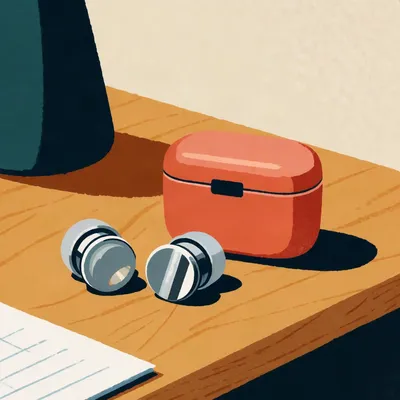
#6258: How Loop Filters Noise for Focus and Conversation
Loop Engage 2 carries an SNR of 16 decibels but an NRR of just 8 decibels, showing how regional testing standards diverge.

#6121: Hearing Speech in Noise: What Actually Works
Over-the-counter hearing aids, AirPods Conversation Boost, and neural speech separation — what works when your audiogram is normal but the café isn't.
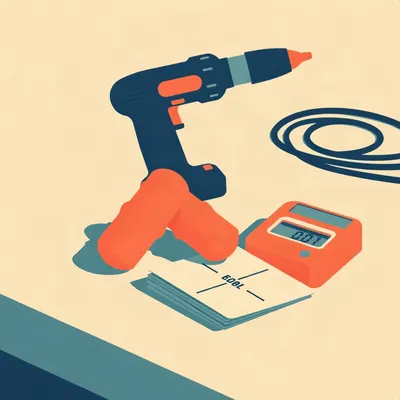
#6118: What NRR Actually Means for Your Ears
That 34 dB rating on the box? Real-world protection is closer to 13. Here's how to actually pick hearing protection.

#5971: Personal CRM in 2026: Dex, Mesh, folk, Monica, Twenty
What actually makes a good personal CRM — and which ones can an AI assistant talk to?
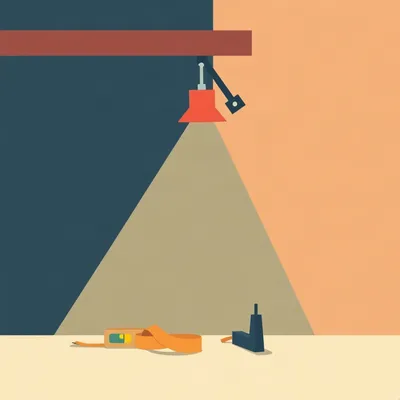
#5955: Work Lights: Lumens, Lux, and the Specs That Matter
Lumens is the easiest spec to print and the least useful on its own. Here's what to read instead when buying a work light.
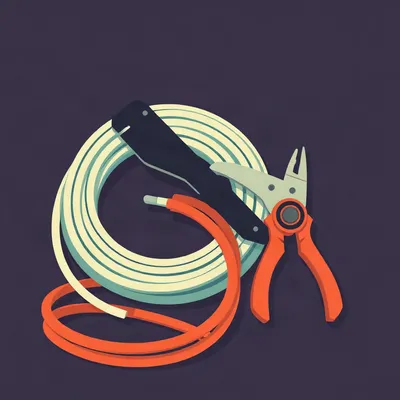
#5784: The Cheap Knife That Lies to You
Why a cheap sharp knife is worse than a dull one, and how to pick tools for stripping cable without nicking a conductor.
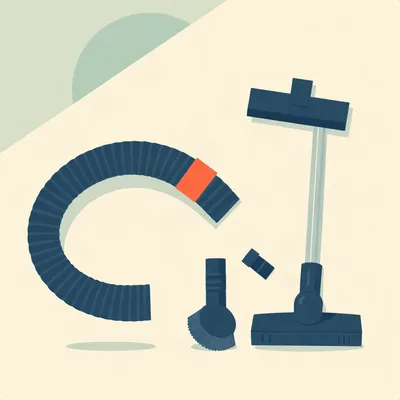
#5740: Your Vacuum's Best Upgrade Is the Head
Most people use 30% of their vacuum's capability. The cheapest fix isn't a new machine — it's the nozzle on the end.
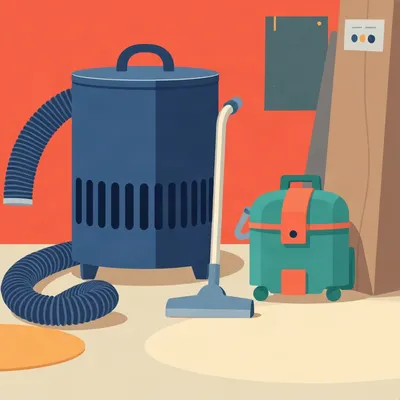
#5739: Why Your Vacuum Is Legally Weaker Than a Shop Vac
A toddler, a Bosch, and an EU power cap: why the consumer vacuum in your closet is legally weaker than the dust extractor at the tool shop.
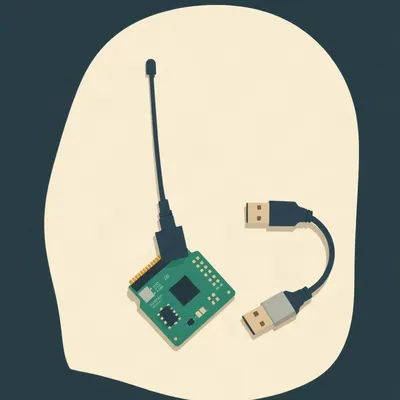
#5733: Why Your Raspberry Pi's Wi-Fi Keeps Dropping
The antenna on your Pi isn't the problem — where it sits is. What actually keeps an SBC link alive.

#5725: Why Your Smart Light's Lowest Setting Is a Lie
Dimming range is the spec nobody prints on the box — and it's the one that decides how a light actually feels to live with.

#5724: How Monitor Light Bars Actually Work
Monitor bars, floor lamps, wall and ceiling fixtures — what each one does to the light, and which desk setup fits which workflow.
#5723: Task Lighting Spec Sheets: Wattage, CRI, Kelvin & Dimming
What the box tells you, what it hides, and the four numbers that actually predict how a task lamp behaves.
#5634: Battery Platform Lock-In: Innovation vs Stability
Cells change every three years. The battery interface barely moves. Buyers research the wrong one.