
Digital Privacy
362 episodes · Page 2 of 16

#5714: The Moon's Junkyard Has a Gift Shop
150 tons of stuff sits on the Moon. Two objects on one square meter tell opposite stories: a $5.50 nylon flag and a silicon disc built for millennia.
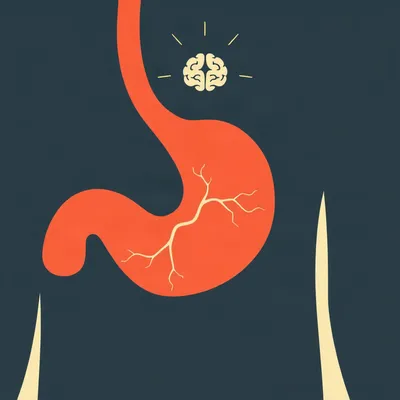
#5695: Gut-Brain Drugs: Why Old Antidepressants Help Bloating
A listener with post-cholecystectomy bloating asks why an old antidepressant might help — and whether anything better is coming.
#5629: Keyloggers, Stingrays, and the Library Laptop Grab
Tor, Signal, full-disk encryption — and a chip on the motherboard that none of them can see.

#5601: How Image Forensics Catches Fake Ghosts and Deepfakes
From darkroom magnifying glasses to AI provenance fingerprints — how we've verified photographs for a century.
#5577: When the UN Goes Viral: Pitchers, Shoes, and 6-Second Clips
A six-second clip of a man drinking from a pitcher resurfaces as if it's new — inside the long history of the UN's most meme-able moments.

#5532: What Your Browser Isn't Telling You
DevTools quietly omits what privacy researchers need most. Here's how to actually tap browser traffic — and what shows up when you do.
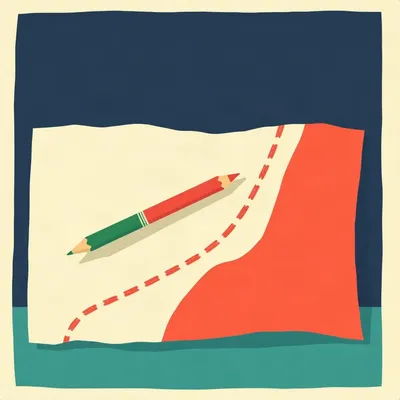
#5530: Jerusalem's Pencil Line: 1948–1967
Two commanders drew a ceasefire line in wax pencil in 1948. It became a city's border for nineteen years.
#5500: Eight Consulates That Answer to No One
Eight countries keep consulates in Jerusalem that bypass their own Tel Aviv embassies. The reason goes back four centuries.
#5498: Who Was a Superpower Before America?
The word "superpower" was invented in 1944. So how do you build a list of them stretching back to Akkad?

#5495: Musrara: Growing Up on Jerusalem's Pencil-Drawn Border
How a border drawn with wax pencils in 1948 split Musrara's homes in two — and shaped the neighborhood that raised the Israeli Black Panthers.
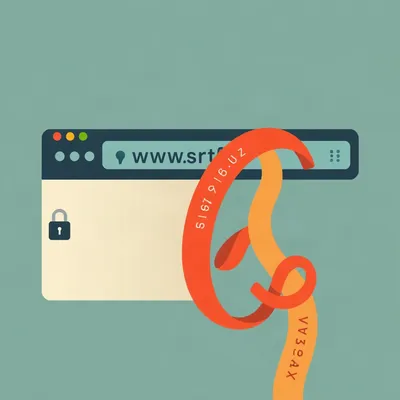
#5486: Why Hebrew URLs Turn Into Percent-Sign Gibberish
Hebrew renders fine in the domain but explodes into percent-hex in the path. Two different standards explain the split.
#5481: Small Models, Big Guardrails: PII Detection in ChatGPT
A tiny 600M parameter model is quietly scanning your ChatGPT tool calls for PII. Here's how that class of guardian model actually works.

#5478: When AI Hands Out Your Phone Number
A chatbot gave out a stranger's real phone number. What happens when the model can't forget it?

#5471: Your News Feed Is Filtering for Failure
40% of people now avoid the news. Here's why the feed distorts reality — and what to read instead.

#5464: Your Keyboard's Hidden Data Problem
Your keyboard knows your email address, your phrases, your habits — and you can't take any of it with you.
#5462: Why Dopamine Blockers Stop Nausea (And Cause Fatigue)
Dopamine blockers stop nausea but cause brutal next-day fatigue. Why the same receptor does both — and what makes them risky long-term.
#5450: Heat, Fans, and the Limits of Air-Gapped Security
Dozens of ways to leak data from air-gapped machines exist — but every real breach still used a USB stick.
#5434: When Local AI Tools Phone Home
Local AI tools shouldn't need the network. So why is your on-device writing assistant uploading 40MB at 3am?

#5383: Android's Open Core, Closed Governance
Android's code is open, but its roadmap isn't. What happens when Google changes the core and developers just have to cope?

#5380: Zero-Click: When Your OS Opens Files For You
Your file manager parses downloads before you touch them. Here's what that means for your security — and what you can actually do about it.
#5379: Hashing, Sandboxes, and YARA: The Free Forensics Nobody Uses
VirusTotal, MalwareBazaar, and YARA do far more than most people realize — and they're free. Here's how to actually use them.
#5346: Why the UN's Biggest Week Is All About the Sidelines
The UN General Assembly meets year-round — so why do heads of state fly in for one frenzied week each September?

#5298: The Mountain, the Message: Nuclear Tests as Diplomacy
Nine states. Two thousand detonations. Why a nuclear test is often a sentence in a conversation, not a lab result.
#5295: North Korean Banquets: What's Actually Served
North Korea's state banquets are elaborate, plentiful — and often described as bland. What's really on the table?