
#5825: Why Voices Sound Good in Some Rooms and Not Others
Same words, opposite effect. What the research actually says about why some voices hold you and others make you reach for skip.
#5806: Graphene's Real Story: Lab to Fab at Last
Graphene's properties were never hype — the physics is real. The hard part was always making it at scale. That's finally changing.
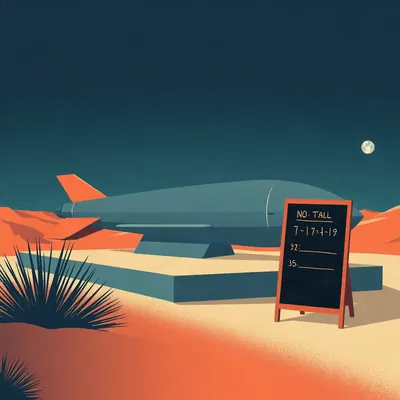
#5798: Project Sundial: Teller's 10-Gigaton Doomsday Proposal
Edward Teller proposed a 10,000-megaton bomb in 1954. The physics allowed it — the delivery problem killed it.
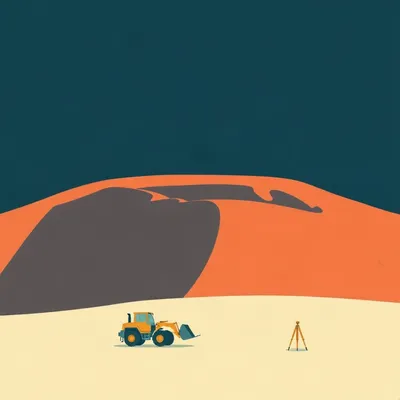
#5795: Digging Harbors with Nuclear Bombs: Project Plowshare
From Sedan's 104-kiloton crater to a plan for 520 bombs in the Negev — how the atomic age tried to become civil engineering.
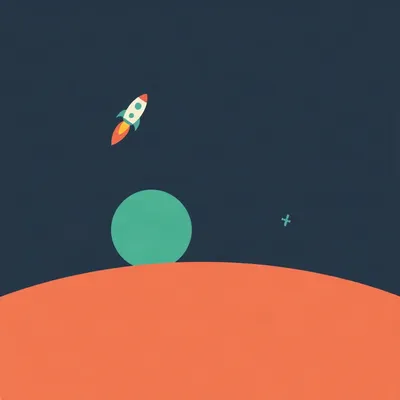
#5794: Starfish Prime: When the US Nuked Space
In 1962, the US detonated a 1.4-megaton warhead 400 km above the Pacific. The sky turned green for 90 minutes.
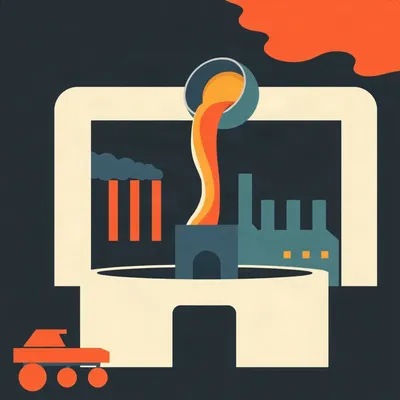
#5787: Inside the Two Steel Industries
Steel is really two industries wearing one word — and the health and carbon ledgers land in different places.
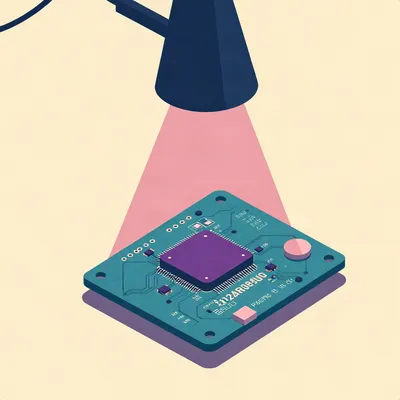
#5776: Why UV Epoxy Keeps Curing in the Dark
UV epoxy isn't the same as craft-store UV resin — and its acid-based cure keeps working long after the light goes off.
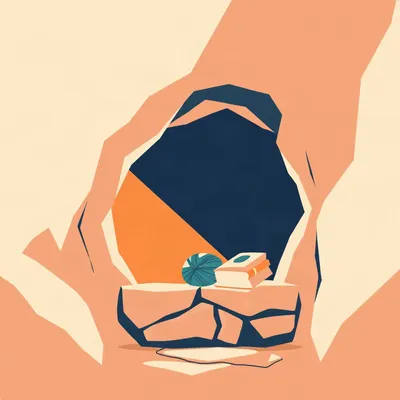
#5763: 500 Days in a Cave: How We Lose Track of Time
Beatriz Flamini spent 500 days underground and thought less time had passed. What isolation science reveals about how we perceive time.
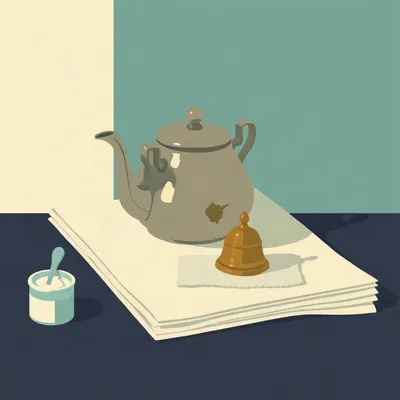
#5761: Why You Shouldn't Dremel Your Antique Silver
A rotary tool removes metal in seconds that took a century to form. Here's what museums do instead — and why shine isn't the goal.
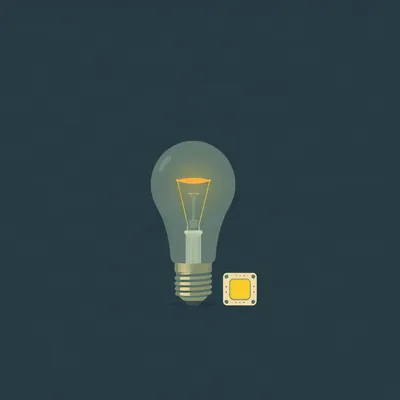
#5741: The Bulb That Lit the 20th Century
From Edison's carbon filament to the blue LED that unlocked white light — how we got from 1 lumen per watt to 150.
#5730: What 4 Gs Actually Does to a Body at 17,000 Feet
A cockpit door left open, a passenger who knew one thing, and two off-duty pilots in row 30. What the physics of that descent really felt like.
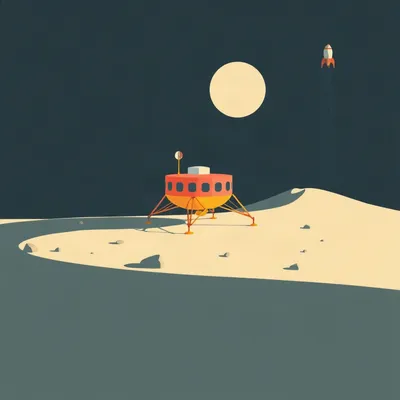
#5717: What It Takes to Land on the Moon Again
Artemis II flew by the Moon in 2026. Artemis IV plans to land in 2028. The gap between those two missions is enormous.
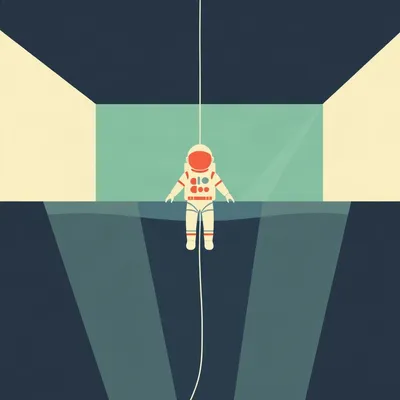
#5716: One in 13 Million: What It Takes to Be an Astronaut
Only 631–780 humans have ever reached space. Here's the training gauntlet — and the mental toll — behind that number.
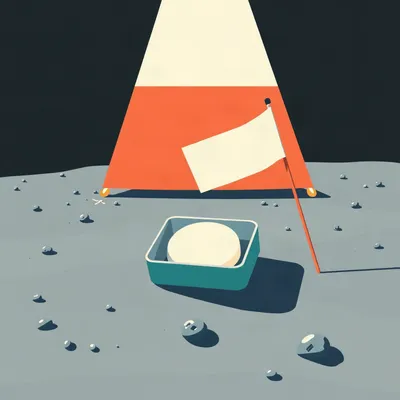
#5714: The Moon's Junkyard Has a Gift Shop
150 tons of stuff sits on the Moon. Two objects on one square meter tell opposite stories: a $5.50 nylon flag and a silicon disc built for millennia.
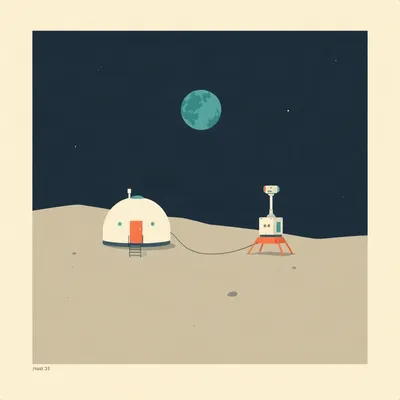
#5712: Can NASA Actually Build a Moon Base?
NASA's Moon Base plan is a to-do list, not a physics wall — but the transport chain is the thing standing in the way.
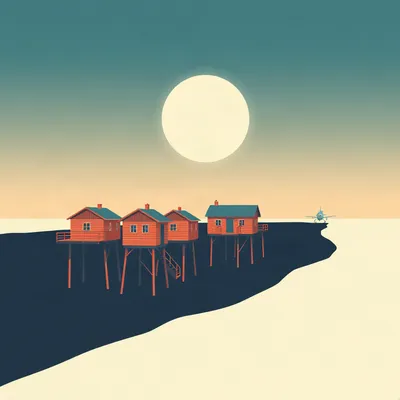
#5709: Life at 76°N: Inside Canada's Arctic Outposts
Grise Fiord scores 0.9839 on Canada's remoteness index. Toronto scores zero. What daily life looks like at the top of the world.
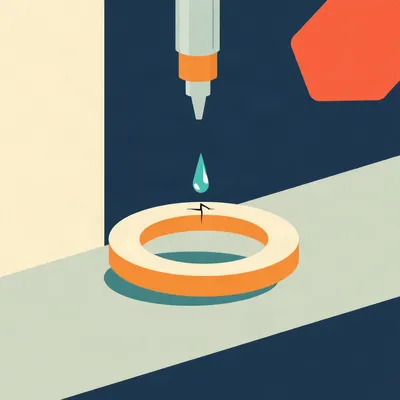
#5704: Superglue: One Drop, Two Reactions, Five Mistakes
One part, no mixing, seconds to set — and most of us have been using it wrong since we were nine.
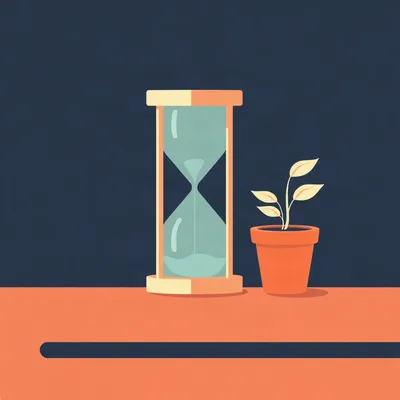
#5689: What Actually Makes People Stick With Things
The science of perseverance is stranger than the posters — and it's not about willpower.
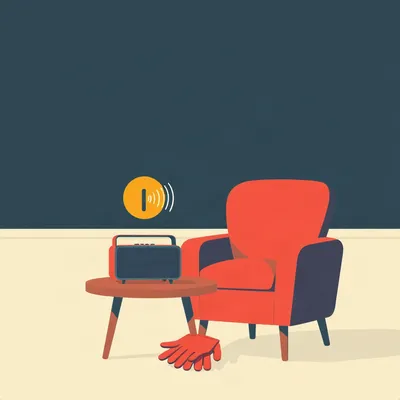
#5678: Why Voices Are Harder to Design For Than Music
Every word arrives clearly on a phone speaker — so why is it exhausting? The science of listening effort, and how to design audio that isn't.
#5670: Circadian Policy: Light, Schedules, and Public Health
What if a task force treated light and time as public infrastructure? The science of circadian alignment — and the policies that follow.