
Science and Nature
Natural and formal sciences: physics, chemistry, biology, earth science, and mathematics.
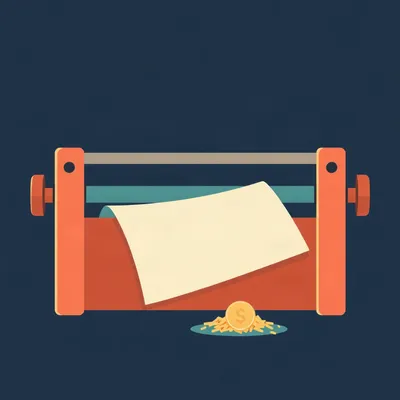
#5894: Printing Money Isn't What You Think It Is
Central banks order billions of banknotes a year — but that's replacement, not stimulus. Here's how cash actually gets made and destroyed.

#5889: How Pipeline Pigs Actually Work
A bundle of straw that squealed through the pipe gave the industry its weirdest word. Now pigs weigh tons and hunt cracks underground.
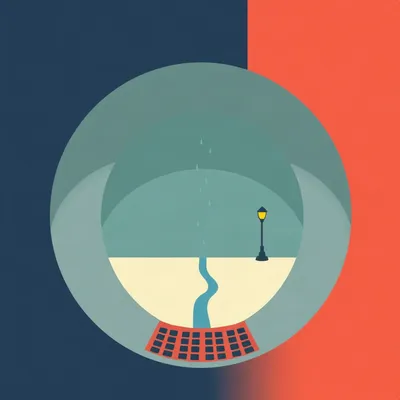
#5888: Where Does the Rain Actually Go?
An inch of rain on one acre of pavement is 27,000 gallons. Cities have three ways to get rid of it — and all of them fail on purpose.
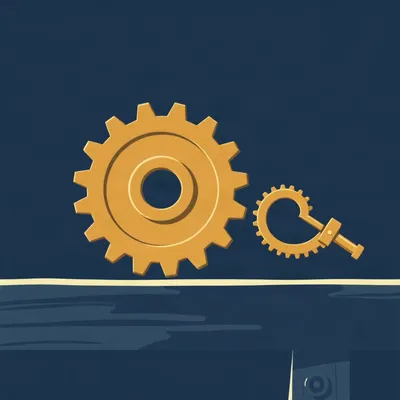
#5887: Gears That Did Calculus: Mechanical Computers
From the Antikythera mechanism to battleship fire control, how gears and cams did real math — and why the approach never fully died.
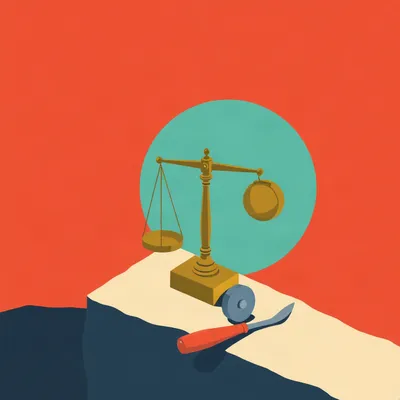
#5886: From Leviticus to the Kilogram: Honest Scales
Ancient Athens had ten inspectors and a rock. The kilogram had one cylinder in a vault. Both were asking the same question.
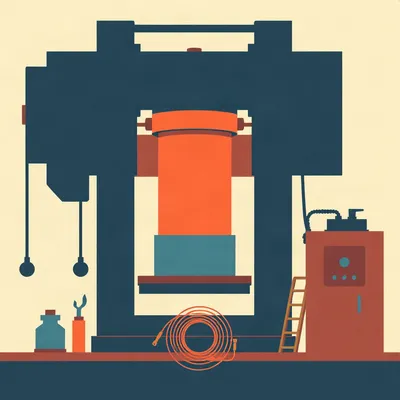
#5884: The Machines That Take 5 Years to Replace
Large power transformers, HVDC converters, nuclear forgings — why some essential machines have no quick reorder.
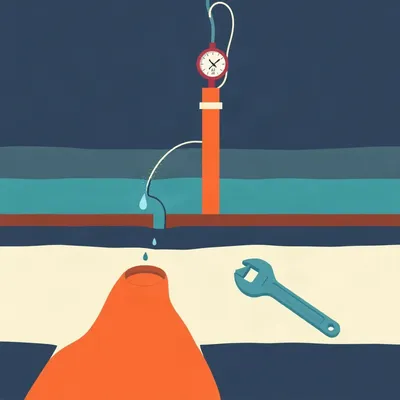
#5883: What Happens to Water Between the Plant and Your Tap
Utilities push 100 litres of treated water into the pipes. How much actually arrives? The answer is messier — and more interesting — than one number.
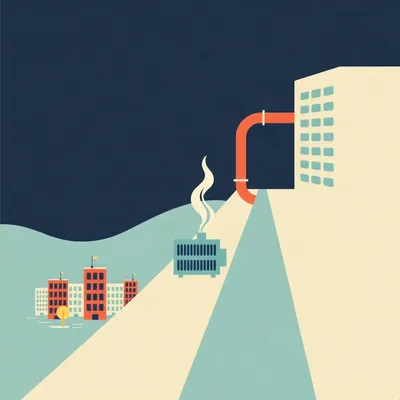
#5882: Half of All Energy Becomes Heat. Now What?
Half the world's energy ends up as waste heat — but only 6% is worth recovering. Inside the cities that built the pipes anyway.
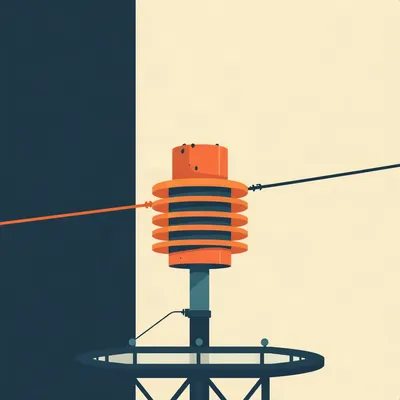
#5881: How the Grid Loses Half Its Power — and How Delhi Fixed It
Losses range from 0.23% in Singapore to 59% in Iraq. Delhi went from 52% to 5.5% — mostly without new power plants.
Also available in:हिन्दी
#5877: A Sloth Diagnoses Human Civilization
One hundred thirty armed conflicts, a $100 barrel of oil, and a sloth on a branch in Jerusalem asking whether this is collapse or just another chap...
#5876: Sloth Leaf Medicine: What's Real and What Isn't
A serious look at sloth leaf medicine — the rotation, the Cecropia pharmacology, and the fur microbiome nobody was told about.

#5875: The Laminated Card Doctrine
We finally give the laminated card its own episode — the crash that started the checklist, the hospital numbers, and where the faith breaks.

#5864: Inside a 15-Month-Old's Head: What Ezra's Brain Is Doing
A wire stripper, three words, and faltering steps — what's actually happening inside a fifteen-month-old's mind.
#5855: Spaghetti Hands: The Science of First Steps
What the research actually says about helping a toddler walk — and why holding both hands may do nothing at all.
#5840: Why Voice Clones Lisp: Sibilants, Codecs, and the Sounds We Lose
Sibilants and plosives are the most fragile sounds in speech — and every stage of the audio chain is quietly built to destroy them.

#5834: Dead Man's Switches: Alerts vs. Final Notices
Same mechanism, opposite goals: hardware that fires in two seconds when you fall, and services that wait sixty days to confirm you're gone.
#5829: Printing Files on Paper That Outlasts the Software
Optar and PaperBack turn any file into machine-readable dots on paper. The paper lasts centuries — the codec might not.

#5827: LTFS Explained: Tape That Acts Like a Disk
LTFS makes tape pretend to be a filesystem — but 37-second seeks decide whether it can anchor a searchable archive.
#5808: Ninety Percent of Cries Answered in 25 Seconds
Forager infants get nine hours of attentive care a day from up to 15 people. What would daycare look like if we copied that?
#5806: Graphene's Real Story: Lab to Fab at Last
Graphene's properties were never hype — the physics is real. The hard part was always making it at scale. That's finally changing.