
History and Culture
The human past, language, religion, philosophy, arts, media, and food.
#5798: Project Sundial: Teller's 10-Gigaton Doomsday Proposal
Edward Teller proposed a 10,000-megaton bomb in 1954. The physics allowed it — the delivery problem killed it.
#5797: How Many Nuclear Tests Have There Really Been?
Three credible sources, three different numbers — and the gap isn't new explosions. It's what each one decided to count.
#5795: Digging Harbors with Nuclear Bombs: Project Plowshare
From Sedan's 104-kiloton crater to a plan for 520 bombs in the Negev — how the atomic age tried to become civil engineering.
#5794: Starfish Prime: When the US Nuked Space
In 1962, the US detonated a 1.4-megaton warhead 400 km above the Pacific. The sky turned green for 90 minutes.
#5793: Little Boy: The Untested Bomb That Changed War
The gun-type bomb was never tested — yet it was the one they trusted. What Hiroshima's design and aftermath reveal about nuclear war.
#5792: Tsar Bomba: The 50-Megaton Test That Shook the World
In 1961, the Soviets dropped the largest bomb ever built — a weapon with no military purpose, designed to be seen.
#5789: Build First, Ask Later: Hermits Who Dug Cathedrals
No permits, no blueprints, no training. Two categories of builders who did the unreasonable — and what they share.
#5786: Colgate, Harley, and Bic: Famous Brands' Forgotten Flops
Colgate never sold beef lasagna — but it did sell gassy soybeans. Harley made cologne. Bic made "For Her" pens. The stories are stranger than the l...

#5785: The Worst Mascots Ever Made
From a clown selling sugar cereal to a blue blob Atlanta couldn't name, we count down the mascots that should never have left the sketch.

#5778: How J.K. Rowling Builds Characters That Last
Two notebooks, color-coded spreadsheets, and a pseudonym: how J.K. Rowling builds characters that outlive their pages.
#5777: Lorebooks: The Hobbyist RAG That Beat the Labs
How a chat frontend fork built a full retrieval system — keywords, vectors, recursion — so fictional characters would stop forgetting who they are.
#5761: Why You Shouldn't Dremel Your Antique Silver
A rotary tool removes metal in seconds that took a century to form. Here's what museums do instead — and why shine isn't the goal.
#5738: Exorcism: 7 Religions, 67 Rites, Zero Records
From the dybbuk to the Rituale Romanum — how seven traditions built rites for possession, and why nobody can count the exorcisms.
#5737: Why Measuring a $4 Spudger Tip Is Weirdly Hard
A listener wants to put a number on his spudger's tip thickness. Turns out that's a real metrology problem.
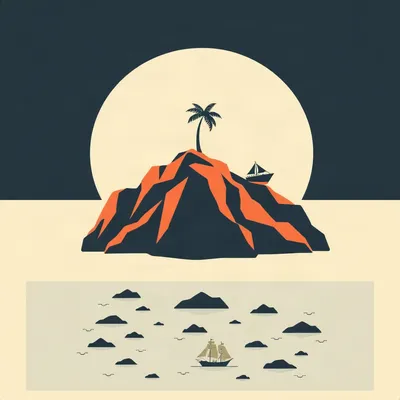
#5736: The UK's 14 Overseas Territories, From Pitcairn to Chagos
Fourteen territories, three Crown Dependencies, and one fight that won't end: why the Chagos Archipelago dispute keeps going.
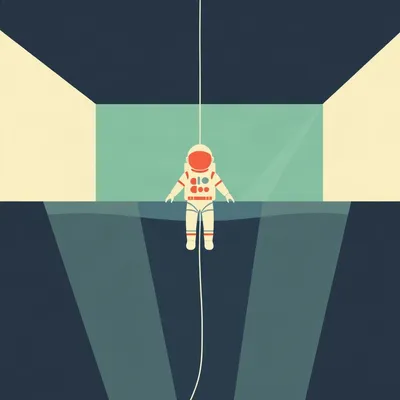
#5716: One in 13 Million: What It Takes to Be an Astronaut
Only 631–780 humans have ever reached space. Here's the training gauntlet — and the mental toll — behind that number.
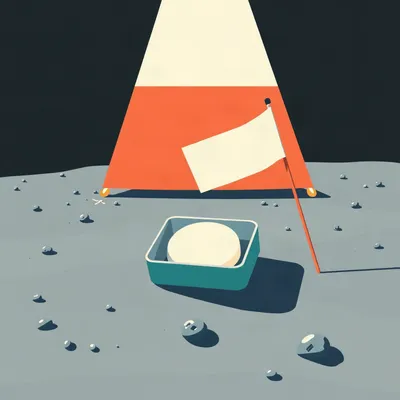
#5714: The Moon's Junkyard Has a Gift Shop
150 tons of stuff sits on the Moon. Two objects on one square meter tell opposite stories: a $5.50 nylon flag and a silicon disc built for millennia.
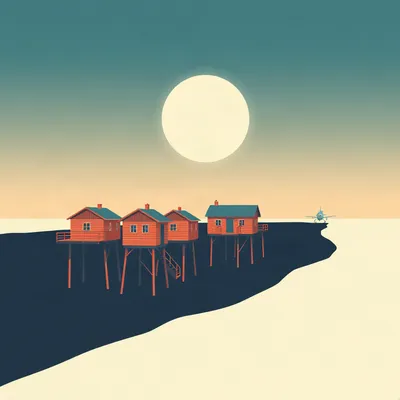
#5709: Life at 76°N: Inside Canada's Arctic Outposts
Grise Fiord scores 0.9839 on Canada's remoteness index. Toronto scores zero. What daily life looks like at the top of the world.

#5700: Did the Internet's Pioneers Know What They Were Building?
Vint Cerf says they didn't know — and they did. How early internet subculture formed, where it lived, and whether it survived.

#5699: From Dawkins to "Karen": How Memes Really Spread
A biologist coined "meme" in 1976. Fifty years later, a Switch trailer screenshot became "Karen." How did we get here?