
Stress and Trauma
270 episodes · Page 6 of 12
#3754: How to Stay Alert Without Burning Out
Practical strategies for maintaining situational awareness during a volatile security crisis without sacrificing your sanity.
#3733: What Number Do You Call When It's Not an Emergency?
CAHOOTS, STAR, and the fragmented landscape of mobile crisis teams that fill the gap between 911 and doing nothing.
#3723: 80,000 People in Solitary: What It Does to the Brain
What happens inside a concrete box for 23 hours a day? The science of solitary, from SHU syndrome to post-isolation trauma.
#3705: What Your Sexual Fantasies Actually Mean
The data on common fantasies is genuinely surprising — and reveals how fantasy functions as an amplifier, not a substitute.

#3690: What SERE Training Actually Teaches You
Beyond Bear Grylls: the real military survival framework and what civilians should actually learn.
#3681: Why We Dig Into Family History (Or Don't)
Why some people are drawn to genealogy while others avoid it — and what changes when we finally start asking questions.
#3635: Surfing, Cycling, and Ironman After Organ Removal
Pro surfer Lakey Peterson won a Championship Tour event after gallbladder surgery. What her recovery teaches about adapting.
#3631: Is It Okay to Parent While Podcasting?
Does listening to a podcast while caring for a baby harm your child? We untangle the guilt from the science.
#3610: How Empathy Works in Interrogation and Trauma Work
Why the people who last in high-trauma jobs aren't cold — they're empathic regulators.
#3607: The Empathy Mixing Board: 3 Neural Systems Explained
Empathy isn't one dial—it's three independent neural systems. How they combine determines everything from burnout to manipulation.

#3600: How Do We Heal Trauma at Societal Scale?
Exploring complex PTSD, treatment options from EMDR to MDMA, and how to scale healing beyond the therapist's office.
#3590: Why Bad Sleep Makes Your Body Feel Broken
The surprising physiology behind that clammy, hungover feeling after poor sleep — explained.
#3586: The Barney Giggle: How Childhood TV Shapes Adult Behavior
Did Barney the Dinosaur program your adult social responses? The surprising neuroscience of childhood media conditioning.
#3524: The Glutamate Trap: Hangovers, Panic, and the Brain
Why alcohol, caffeine, and poor sleep create a perfect neurochemical storm — and what it reveals about anxiety.
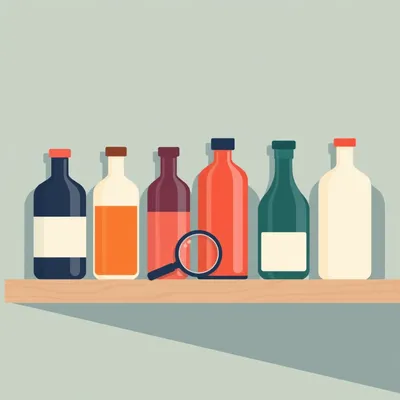
#3521: SSRIs: How Different Are They Really?
Prozac, Lexapro, and beyond — how similar are SSRIs? A deep dive into selectivity, side effects, and what comes next.
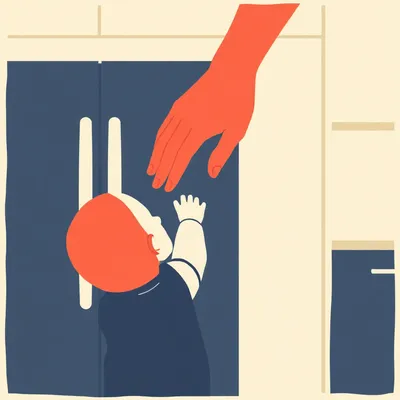
#3520: Parenting with a Hyper-Vigilant Nervous System
How to tell the difference between protective vigilance and old trauma responses when parenting a toddler.
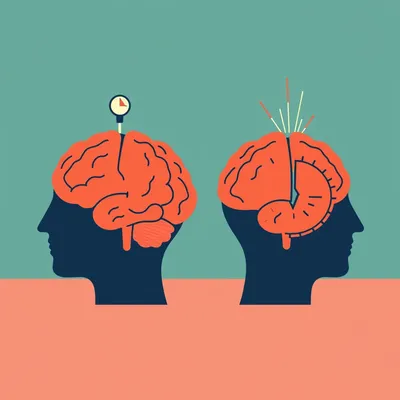
#3517: Why Most Depression Is Unipolar
Unipolar depression is 10x more common than bipolar, yet gets far less attention. Here’s what makes them biologically different.

#3516: What Actually Happens When You Say Yes to the Suicide Question
60% of depressed people experience suicidal thoughts. Here's what really happens when you tell a therapist.
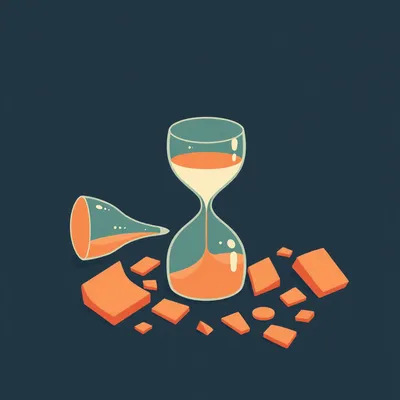
#3509: Why 8 Hours of Sleep Feels Like Zero
Sleep math is lying to you. Here's why interrupted sleep wrecks your brain worse than no sleep.
#3506: When Depression Looks Like Anger
One in three depressed patients experiences anger as a primary symptom. Why aren't we screening for it?

#3504: Your Paycheck Is Not Your Identity
Why men tie their value to their paycheck—and how to break the pattern before a crisis hits.
#3502: How Margin Prevents Collapse
Why slack in time, money, and emotions is essential — and how to build it before you break.
#3501: The Invisible Passenger: Male Mental Health for New Dads
New data shows 10-25% of new fathers face depression, but most go undiagnosed because the symptoms look different.
#3497: How Fathers Build Lasting Bonds in the First Two Years
Concrete, research-backed strategies for dads to build deep, lifelong connections with their sons starting in infancy.