
Human Rights
62 episodes
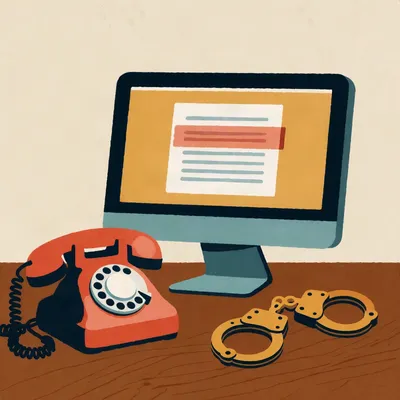
#6736: When Chatbots Call the Police
OpenAI made over two hundred law enforcement referrals for imminent threats of violence in just one three-month quarter.
#6675: How the ICJ proved genocidal intent in Myanmar
The International Court of Justice ruled 9-6 that Myanmar committed genocide against the Rohingya, the first such finding against a state.

#6572: When Encryption Friction Nearly Stopped the Snowden Leak
Glenn Greenwald ignored a 12-minute PGP tutorial from Edward Snowden, and a 1999 study found only two of twelve users could encrypt email.
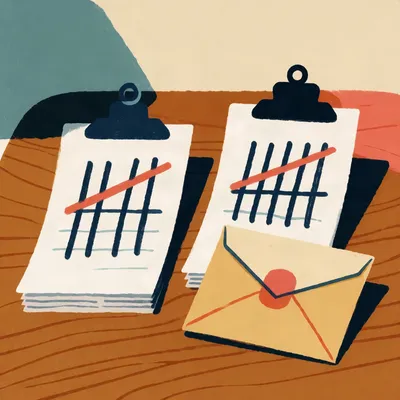
#6318: Why Election Fraud Requires Your Opponent to Cooperate
During Israeli elections, at least two committee members from rival parties maintain independent, handwritten tally sheets during the count.
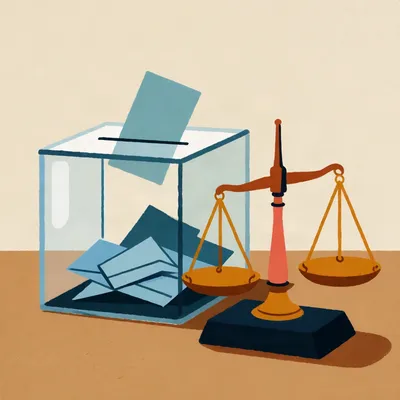
#6313: What Global Voter Turnout Trends Really Reveal
Global turnout fell from roughly 65 percent in 2008 to 55.5 percent of the voting-age population by 2023.
#6210: Who Decides If an Election Is Real?
57 countries hold multiparty elections that aren't real contests. So who certifies a vote — and why do clean democracies skip full scrutiny?

#5958: Freedom of Information: Law vs. Reality
140 countries have freedom of information laws. A 2025 test found 38% of requests got no substantive reply at all.
#5951: The Reasonable Person Is a Legal Fiction
Courts say they judge you by a neutral "reasonable person." Who decides what that person would do — and whose average is it?
#5838: What Customs Officers Actually Read at the Booth
Two spouses, one passport line, two completely different rooms — and a 1980 study that upends what officers think they see.
#5821: Free Speech's Outer Edge: Hate Speech Law
Brandenburg v. Ohio rewrote when speech becomes a crime. Which countries go furthest toward zero restrictions — and why none fully do.
#5752: Two Frances, One Protest: Reading the Same Streets Differently
A high school walkout over unfilled teaching posts became a national movement — and two completely incompatible stories about what it means.
#5343: Class, Caste, and the Boarding Pass
Airlines stratify us openly while class talk stays rude. What caste, the Cagot, and sumptuary law reveal about ranking people.
#5320: Where Does Micro-Engraving Actually Begin?
The naked eye's real resolution limit isn't what textbooks say — and it changes everything about micro-engraving and micro-soldering.
#5296: What North Korea's Borders Actually Look Like
Sixty-three defectors reached South Korea this year — every one through a third country. Here's what the DMZ, China, Russia, and sea routes really ...
#5280: What Chemicals Do to Workers in 2026
2.9 million work-related deaths a year — and 2.58 million of them are disease, not injuries. What workers still don't know about the air they breathe.

#5147: Tents vs Container Cities: Rethinking Disaster Housing
Why do disasters still end in tent cities when foldable container homes and container cities already exist?
#5064: What a Polar Station Stocks for a Year of Isolation
The hidden logistics of keeping isolated crews fed, healthy, and sane for months without resupply.
#4946: When Settler Violence Became a Pattern
How a 90% closure rate on complaints reveals a system designed for impunity.

#4918: Inside an ICE Deportation Flight: Restraints, Memes, and the Machinery
From arrest to ICE Air: what it feels like to be deported, and why the agency posts memes about it.
#4878: Born Into a Legal Void: Understanding Statelessness
Over 10 million people worldwide have no country that recognizes them as citizens. Here's how it happens.
#4530: Ceuta's Border Fence: What the Footage Misses
The viral fence breach footage raises big questions. What is Ceuta, how did thousands get over, and what happens next?

#4371: Who Becomes a Prison Guard?
What drives someone to work inside a maximum-security prison, where inmates may threaten their family?
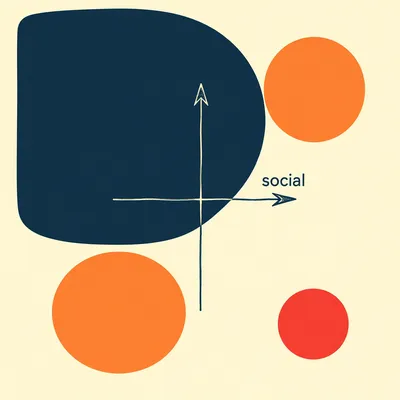
#4246: When Left Meets Right: The Two-Axis Political Spectrum
Why libertarians can't win elections but welfare chauvinists are surging across Europe.
#4240: When Political Disagreement Becomes Mortal Enmity
Two sitting UK MPs were murdered by extremists. What does the respectful response to Ann Widdecombe's death tell us about political discourse?