
Comparative Policy
59 episodes

#6054: Seven Percent for a Decade: What Open Data Portals Actually Delivered
A decade of open data portals moved the share of fully open datasets from 7% to... 7%. What would a real publishing pipeline look like?

#5958: When Governments Answer FOI Requests With Silence
140 countries have freedom of information laws. A 2025 test found 38% of requests got no substantive reply at all.

#5902: Four Tribes, One Ballot: Israel's Coalition Maze
Thirty-eight parties, a 3.25% threshold, and four groups that don't agree on what the country is even for.

#5755: What Makes a School System "Best"?
Korea tops the test scores, Finland skips the pressure. What are we actually measuring when we rank schools?
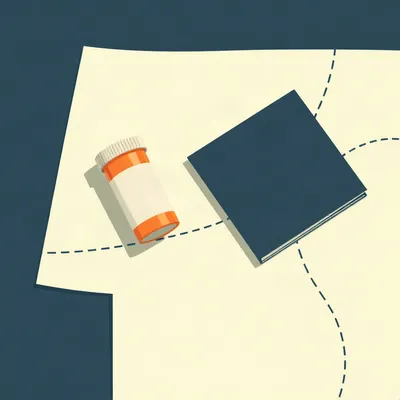
#5661: Same Pills, Same Gun, New State, New Crime
Fifty states, fifty legal answers. What happens when ordinary conduct is a felony one zip code over?
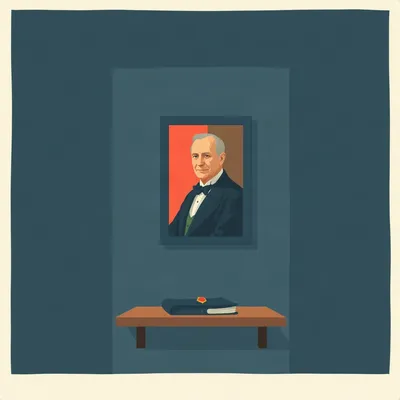
#5297: How North Korea Built a God: Titles, Pins, and Portrait Dust
Portraits you must dust daily, lapel pins over your heart, a calendar that starts at a leader's birth — how the DPRK manufactured devotion.
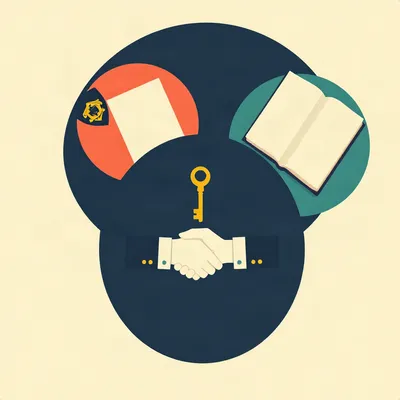
#5234: How Tribal Police, Beit Din, and Sharia Courts Share Power
Tribal police, rabbinic courts, and consensual arbitration all operate under one state — here's the legal plumbing that keeps it from fragmenting.

#4951: Hostage Situations: Hollywood vs. Reality
Are hostage situations as common as movies make them seem? The surprising numbers and what they actually look like.
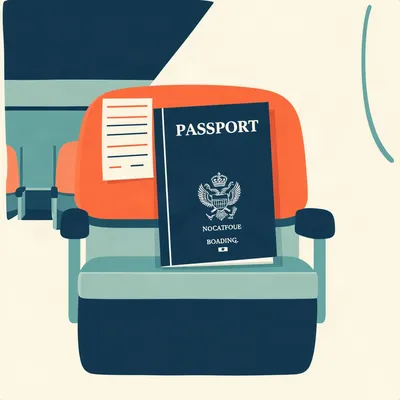
#4871: Lost Passport at Border Control: What Actually Happens
What happens when you can't produce a passport at border control? It's not what you think — and no, you won't get stuck in an airport.
#4801: Who Decides What a Stop Sign Looks Like?
The surprising economics and design process behind the 20 million traffic signs on U.S. roads.
#4563: Unarmed Police: Noble Relic or Risky Model?
Fewer than a dozen countries still send beat cops out unarmed. Is that a noble ideal or an unfair risk?

#4494: When Politicians Keep Their Own Diaries
Do published ministerial diaries actually increase transparency? The data reveals a system full of intentional gaps.
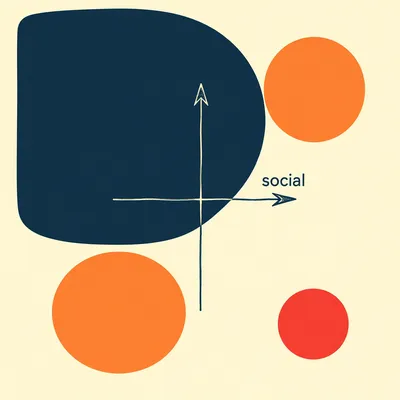
#4246: When Left Meets Right: The Two-Axis Political Spectrum
Why libertarians can't win elections but welfare chauvinists are surging across Europe.

#4245: How Conservatives Actually Innovate
Discovery vs. design: How Burke, Hayek, and Oakeshott built a theory of progress without central planning.
#4241: How "Liberal" Means Opposite Things in Different Countries
The same political word can mean opposite things depending on which country you're in.
#4220: Venice's Playbook: City-States, Confederacies, and Modern Autonomy
Could Renaissance Italy's city-state model solve today's governance conflicts? Venice's rise and limits hold surprising lessons.
#4136: How 4 Democracies Decide If Laws Are Valid
Ireland, US, Israel, UK — four countries, four ways courts decide if laws are constitutional.
#4135: The Courthouse Gate: Cause of Action in 3 Legal Systems
Why "someone broke the law" isn't enough to sue — and how three countries build very different gates to the courthouse.
#4005: Why Do Second Chambers Exist? A Global Guide
Second chambers exist for four very different reasons — and most people get them wrong.
#4001: How Many Democracies Are There Really?
Only 8.4% of the world lives in a full democracy. But the differences between democracies may matter more than the label.
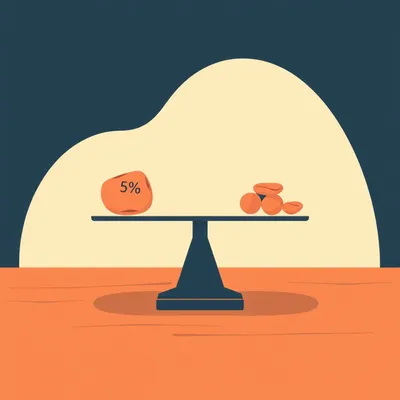
#3998: How Other Democracies Solved Political Fragmentation
Germany, Turkey, and others show what happens when you try to engineer stability into democracy.
#3707: Are Humans Naturally Monogamous? The Science and Legal Hypocrisy
Biological evidence suggests humans aren't strictly monogamous—and the law treats polygamy and polyamory very differently.

#3644: What Criminologists Actually Do (It's Not CSI)
Criminology isn't detective training. It's a social science that studies why crime happens—and whether the system works.

#3546: Who Actually Writes Our Laws?
The invisible drafters shaping democracy—and why New Zealand tried to make laws readable.