
Cities and Transport
The built environment and movement: urban planning, housing, buildings, infrastructure, aviation, and travel.
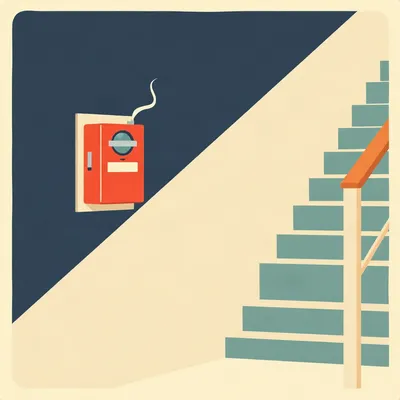
#5914: Fire Alarms in 40-Story Towers: What Goes Wrong
How high-rise fire systems work — detection, smoke control, phased evacuation — and why burnt toast sends residents down 28 flights.

#5911: What Revit 2027 Actually Costs to Run
Michael wants Revit live for AI agents 24/7. The GPU isn't the real bill — the licensing is.
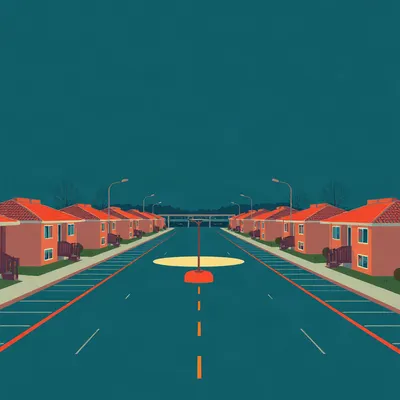
#5896: Modiin, Safdie, and the Suburb That Was Meant to Be a City
Moshe Safdie designed Modiin to be a real city. Thirty-seven years later, residents say there's nowhere to go at night.
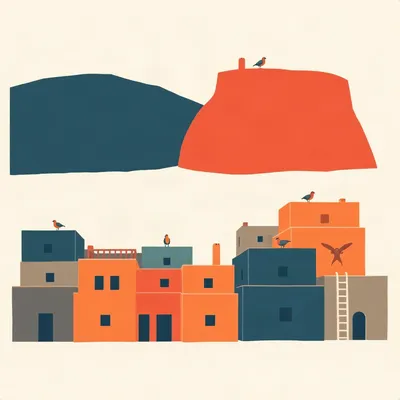
#5895: Can Cities Be Quiet? Designing Density for Families
Families leave cities for space, quiet, and schools. What if cities could deliver all of that without losing walkability?
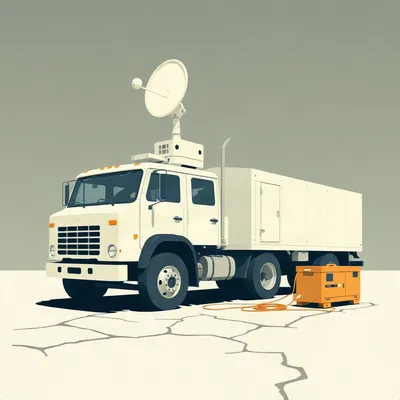
#5893: Command Centers That Drive: From Transit Vans to 32-Ton Trucks
How do you fit a headquarters into a truck? We trace mobile command centers from a 23-foot Transit van to FEMA's HEMP-hardened fleet.
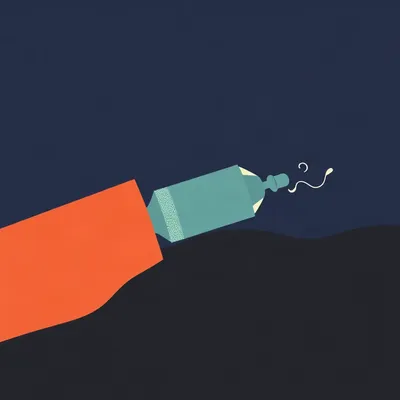
#5890: Fifteen Miles an Hour Through a Metal Pipe
Paris ran 427 km of pneumatic tube under its streets and moved 30 million messages a year. Then the fax machine replaced it.

#5889: How Pipeline Pigs Actually Work
A bundle of straw that squealed through the pipe gave the industry its weirdest word. Now pigs weigh tons and hunt cracks underground.

#5888: Where Does the Rain Actually Go?
An inch of rain on one acre of pavement is 27,000 gallons. Cities have three ways to get rid of it — and all of them fail on purpose.
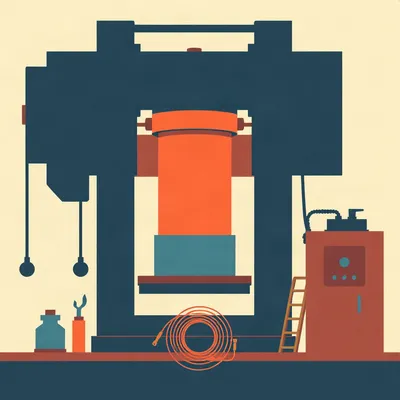
#5884: The Machines That Take 5 Years to Replace
Large power transformers, HVDC converters, nuclear forgings — why some essential machines have no quick reorder.
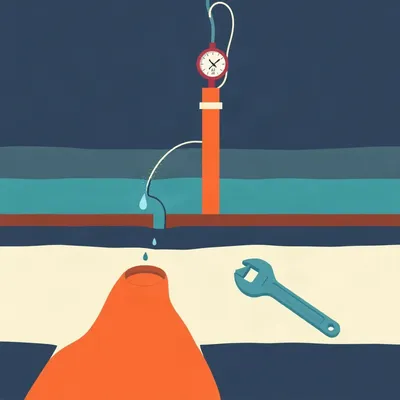
#5883: What Happens to Water Between the Plant and Your Tap
Utilities push 100 litres of treated water into the pipes. How much actually arrives? The answer is messier — and more interesting — than one number.
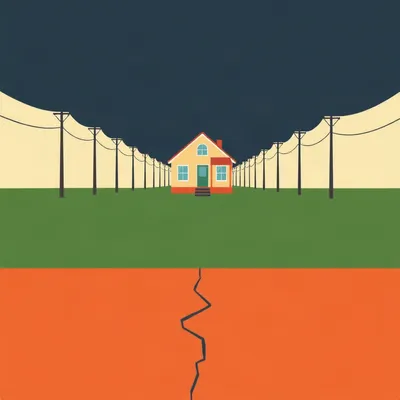
#5880: Why Suburbs May Be a Bad Deal
Suburbs promise the best place to raise kids — but the research on childhood independence, municipal finance, and carbon says otherwise.
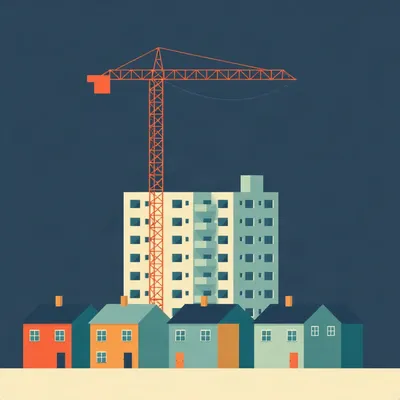
#5874: Who Actually Builds a City's Housing Crisis?
Jerusalem's cranes aren't an accident — they're an incentive machine. Four operators, one load-bearing part, and the rules that could change it.
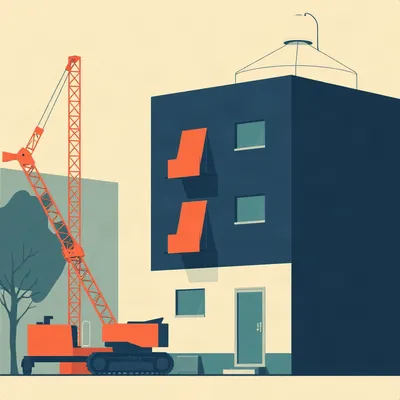
#5866: When Asking About a Leaky Roof Ends Your Lease
Israel's Fair Rental Law protects your contract — but not your home. Why model tenants still get pushed out.

#5854: Why Quiet Weekends Make the Jackhammer Worse
Daniel's Jerusalem construction site goes silent on Saturdays — and that's exactly why Sunday's jackhammer hits so hard. The neuroscience of habitu...
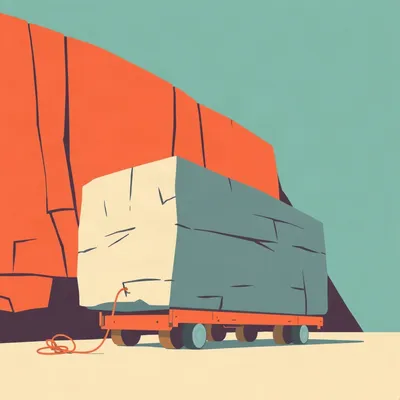
#5822: Building Herod's Wall, One Course at a Time
How 300-tonne limestone blocks became a 488-metre retaining wall — without anyone ever lifting them to the top.

#5819: What Happens to Retired London Buses?
A field guide to 50 Routemasters and their strange afterlives — tea rooms, circuses, a bus called The Potato Story.
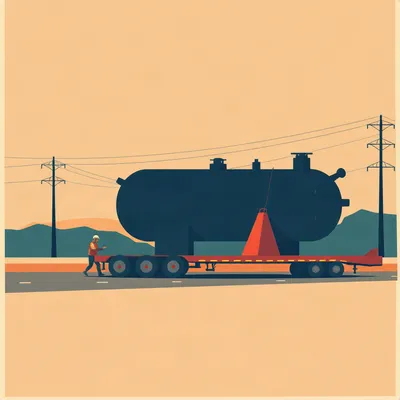
#5796: 900 Tonnes on Public Roads: The Weirdest Cargo Moves
544 wheels, 66 hours on the road with three elephants, and a spaceship on Crenshaw Boulevard — the strange industry that moves the impossible.
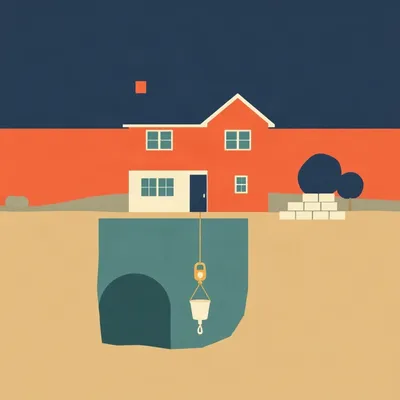
#5779: Tunnel Girl Dug 80 Feet Under Her House
No engineering degree, two books, and ten dead jackhammers. How one woman dug an 80-foot tunnel under her Virginia house — and got it permitted.

#5775: What "Leaked System Prompts" Actually Mean
Anthropic publishes Claude's system prompt — but not its accessory models. What does "leaking" a prompt actually mean?
#5764: What Does Siemens Actually Make?
Factories, buildings, trains, power grids — Siemens is everywhere and nearly invisible. A tour of the industrial giant most people can't explain.