
Therapy and Counseling
112 episodes · Page 4 of 5

#3150: Can Life Skills Prevent Crime Before It Starts?
The evidence is decades old — why aren't we teaching life skills before people offend?
#3130: How to Fight Better: The Science of Healthy Conflict
The first 3 minutes of a fight predict divorce with 90% accuracy. Here’s what to do about it.
#3123: What Research Says About Healthy Families
Beyond the greeting-card version—what the data actually says about what makes families work.
#3027: Why You Wake at 3 AM and Can't Get Back to Sleep
60% of chronic insomnia cases involve waking up mid-night. Here's what's different in your brain and what actually works.
#2612: Can You Speed-Date Your Way to the Right Therapy?
Finding the right therapy is a guessing game. What if you could sample different approaches before committing?
#2609: Mapping the Therapy Family Tree: CBT, ACT, DBT & Beyond
How CBT, ACT, and DBT actually evolved — and why matching therapy to personality matters.

#2607: Life Coaching vs Therapy: How to Choose
Life coaching, therapy, or something else? A practical framework for navigating the confusing world of helping professions.
#2605: Tracing the Hidden History of CBT to Life Coaching
How a 1960s psychiatrist's insight about automatic thoughts became the foundation of a $20 billion coaching industry.
#2589: Can You Actually See a Sleep Specialist?
Sleep medicine is real but hard to access. Here’s how the system works and what actually helps.

#2579: Why You Feel Watched (And Why You're Not)
Why sitting alone in public feels so awkward — and what the research says you can do about it.
#2529: Depression Subtypes: Is It Cognitive or Biological?
Not all depression is the same. Here's what science says about melancholic, atypical, and biotype-based subtypes.

#2527: Do Brain Changes from Therapy or Pills Actually Last?
Do SSRI brain changes reverse after stopping? Can therapy physically rewire your brain for good? New neuroscience has answers.

#2524: The Myth of the Inner Monologue
Most people don't have a constant inner monologue. Discover the five surprising ways your mind actually works.

#2513: Are Your Thoughts Lying to You?
The science of automatic thoughts, cognitive distortions, and whether you can actually learn to control your thinking for a happier life.
#2420: How 4 Countries Actually Destigmatized Mental Health
Australia, New Zealand, Rwanda, and the Netherlands show what structural change looks like — not just awareness campaigns.
#2415: Autism Numbers vs. the Noise
What the data actually says about global autism rates, diagnostic history, and why the numbers keep changing.
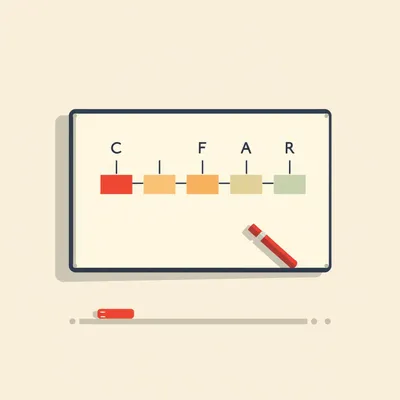
#2150: Debugging Your Brain’s Source Code
Learn the five-step CTFAR sequence that turns emotional chaos into a logical, debuggable system for a managed mind.

#2033: Who Actually Fixes Your ADHD Brain?
Overwhelmed by therapy, psychiatry, and coaching? We break down who does what for ADHD and time management.
#1660: How Hostage Negotiators Really Work (Not Like the Movies)
Forget the lone hero with a headset. Real crisis negotiation is a team sport built on psychology and timing.
#1517: The 12-Month Crash: Why Dads Hit a Depression Spike
Explore the shift to authoritative parenting, the 12-month paternal depression spike, and how AI is changing the way dads lead in 2026.
#1274: The Weight of "Mild": Understanding Chronic Depression
"Mild" depression isn't a light burden—it's a slow rot. Discover why clinical labels often fail to capture the reality of chronic low mood.

#1269: Why Certain Sounds Trigger Rage: The Science of Misophonia
Is it a pet peeve or a neurological glitch? Discover why common sounds trigger "white-hot rage" and how the brain's salience network misfires.

#1190: The Digital Trojan Horse: Why AI Therapy Feels Inevitable
Remote therapy was just the beginning. Discover how autonomous AI agents are evolving from digital interfaces into full-scale clinical providers.

#1188: The Fixed Patient Paradox: Is Therapy a Forever Subscription?
Is therapy a tool for healing or an infinite subscription? Explore the tension between quick protocols and decade-long clinical journeys.