
Space and Satellites
27 episodes

#5794: Starfish Prime: When the US Nuked Space
In 1962, the US detonated a 1.4-megaton warhead 400 km above the Pacific. The sky turned green for 90 minutes.
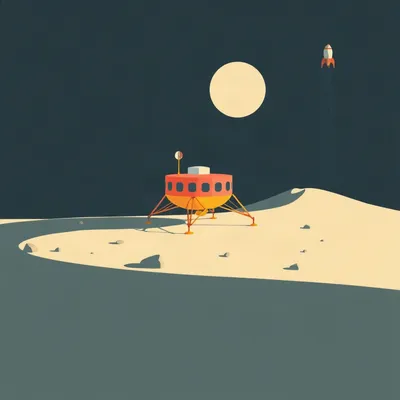
#5717: What It Takes to Land on the Moon Again
Artemis II flew by the Moon in 2026. Artemis IV plans to land in 2028. The gap between those two missions is enormous.
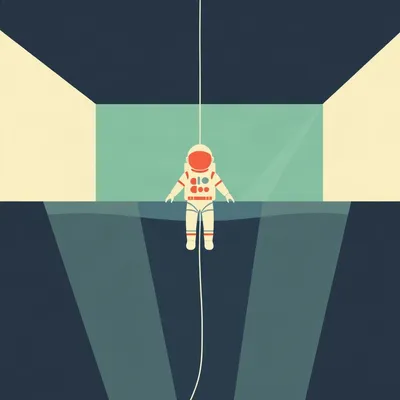
#5716: One in 13 Million: What It Takes to Be an Astronaut
Only 631–780 humans have ever reached space. Here's the training gauntlet — and the mental toll — behind that number.
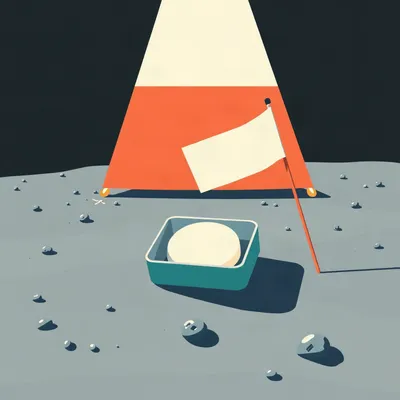
#5714: The Moon's Junkyard Has a Gift Shop
150 tons of stuff sits on the Moon. Two objects on one square meter tell opposite stories: a $5.50 nylon flag and a silicon disc built for millennia.
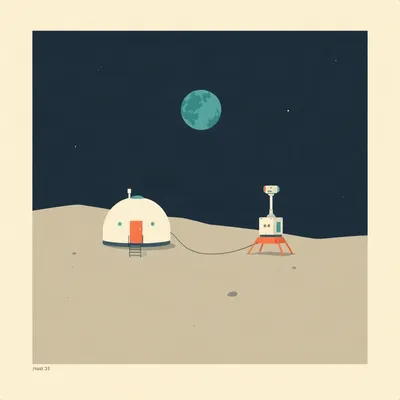
#5712: Can NASA Actually Build a Moon Base?
NASA's Moon Base plan is a to-do list, not a physics wall — but the transport chain is the thing standing in the way.
#5555: Five Machines That Peaked at the Wrong Moment
Concorde, Buran, Iridium: the finest machines ever built for a paradigm that vanished while they were still on the drawing board.
#5440: What Does a Space Force Actually Do All Day?
Rockets get the coverage, but the real work happens at consoles on the ground. What 15,000 Guardians actually do.
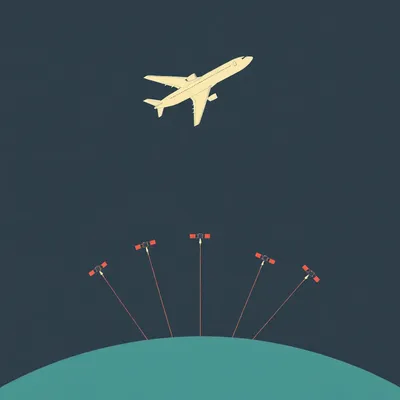
#4631: How Starlink Delivers Real In-Flight Wi-Fi
Why Starlink beats traditional satellite internet on planes — latency, lasers, and phased arrays explained.
#4014: The Camera That Zooms to Jupiter
Why the Nikon P1000’s 125x optical zoom is both astonishing and deeply limited for real-world wildlife shooting.
#3879: What the Moon Actually Smells Like
Twelve humans have walked on the Moon. Here's what it actually felt, smelled, and sounded like—and why we stopped going.
#3875: Why Netflix Breaks on the Moon
Two and a half seconds of ping time breaks the internet. Here's why space communication is so hard.
#3162: Sovereign SATCOM: Inside the Military's Orbital Arms Race
Why the US, Russia, and China each build their own military satellite networks — and how WGS, Blagovest, and Tiantong compare.
#3115: How Many Scientists Actually Live at the Poles?
The surprising answer: ~850 in Antarctic summer, ~400 in winter, and effectively zero at the North Pole.

#1975: The Global Choreography of Weather Balloons
Why we still launch 1,000 balloons daily into the stratosphere—and why satellites can't replace them.
#1844: How Amateurs Track Spy Satellites with Laptops
Forget Langley—these hobbyists spot classified satellites from their backyards using math, cheap cameras, and public data.
#1795: How to Survive the Inner Solar System
Explore the wild psychology and engineering needed to build cities on Mercury, Mars, and Venus.
#1433: The End of Secret Eyes: How Satellite Data Became a Public Utility
Forget spy movies. Discover how modern satellites track sinking cities, methane leaks, and the "pulse" of our changing planet in real time.

#1430: The Orbital Myth: The Real Tech Behind Satellite Tasking
Forget Hollywood's "enhance" button. Discover the reality of orbital mechanics, pixel bidding wars, and why satellites can't actually loiter.
#1327: The Hidden Giants: Beyond the CIA and FBI
Forget James Bond. In 2026, the real secrets are found in satellite swarms and AI-driven data centers.

#1040: The Einstein in Your Pocket: Why Relativity Rules Reality
Think Einstein is just for textbooks? Discover how the strange physics of relativity keeps your GPS accurate and your world in sync.

#996: Why GPS is Losing the Middle East to China’s Satellites
The era of GPS dominance is over. Discover how Iran is using China’s BeiDou system and Russian data to redefine high-precision warfare.
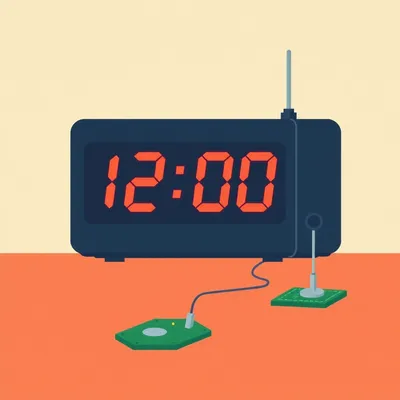
#721: The Two-Clock Obsession: Synchronizing Time at Home
Discover the hidden infrastructure of precise timekeeping, from atomic radio signals to building your own DIY Stratum 1 time server.

#714: The Billion-Year Backup: Escaping the Digital Dark Age
Will our digital legacy survive for billions of years? Explore the tech fighting the "Digital Dark Age," from lunar libraries to quartz glass.
#588: The Human Choreography of Space
Think satellites are driven by joysticks? Herman and Corn dive into the complex, high-stakes world of mission control and orbital maintenance.