
Psychiatric Medication
107 episodes
#6057: Why Your Recorded Voice Sounds Like a Stranger
Bone conduction, brain prediction, and identity — why hearing your own voice on tape makes you cringe, and what changes when AI can speak for you.
#5930: The World's Greatest Drunk Foods
From Dublin's spice bag to Seoul's chimaek, a tour of the dishes nations eat at 2 a.m. — and the science of why alcohol makes us hungry.
#5920: The Psychiatrist in Those 1950s Patient Films
A drug salesman's papers, a bathtub, and the 1950s interviews with Dr. Heinz Edgar Lehmann that still pull millions of views.
#5695: Gut-Brain Drugs: Why Old Antidepressants Help Bloating
A listener with post-cholecystectomy bloating asks why an old antidepressant might help — and whether anything better is coming.
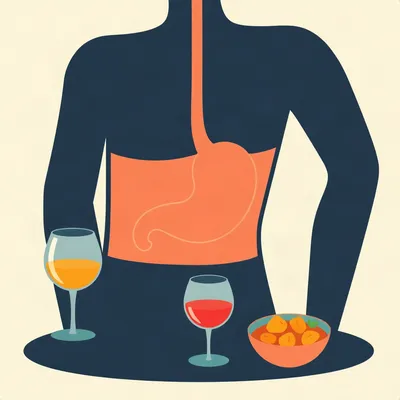
#5692: When Bile Reflux and Bloating Collide After Gallbladder Surgery
Two separate problems hiding behind three diagnoses: bile reflux after gallbladder removal, and abdominophrenic dyssynergia — where bloating isn't ...
#5597: Protein, ADHD, and the Breakfast You Skip
A protein breakfast has a clean dopamine story and costs a dollar. Fish oil outsells it anyway. Here's what the evidence actually says.
#5474: Why Tardive Dyskinesia Becomes Permanent
One in five antipsychotic patients develops TD. Why does it stick around after the drug stops — and how much do newer drugs help?
#5284: ADHD Meds, Border Rules, and Thank-You Gifts
Why is it so hard for adults with ADHD to fill a stimulant prescription — and is a thank-you gift to the pharmacist ethical?
#5258: Vyvanse, Alcohol Withdrawal, and the Titration Problem
A listener's water-titration experiment with Vyvanse leads to a bigger question: can medicine model neurotransmitter systems in real time?
#5186: Why the Last Milligrams Are the Hardest
Most drugs come in doses designed for stable use — not for the tiny steps safe withdrawal requires. Here's what's changing.
#5174: Why Caffeine Can't Push You Through Cognitive Fatigue
What actually happens in your brain when you hit the wall — and why caffeine keeps you awake but can't restore hard thinking.
#4869: The ADHD Stimulant Family Tree and What's Next
Why Vyvanse dominates ADHD treatment and what could finally challenge it.
#4868: Why Cannabis Is Easier to Get Than ADHD Meds
Schedule II drugs require pill counting and paper scripts. Schedule I? Delivery to your door. Here's why.
#4851: What Half-Life Tells You About Tapering Off Sleep Meds
Why short-half-life drugs are actually harder to quit, and how the bathtub analogy explains it all.
#4846: Can You Train Someone to Spot a Liar?
Israel's airport security relies on human screening. Does it actually work, or is it just better theater?
#4763: Red Light, Real Science: Sleep Hacks That Actually Work
ADHD circadian disruption, red light products, and smart home integration — a practical deep dive.

#4728: Why Humans Love the Burn: Spicy Food and the Drive to Alter Consciousness
Why do humans love spicy food? The answer reveals something surprising about our relationship with altered states.
#4566: The 28-Day Trap: ADHD Meds and Zero Margin
When a missile crisis meets a refill date, the system fails. Why ADHD patients live with zero margin for error.
#4382: Can Micro Expressions Actually Catch a Lie?
Micro expressions are real, but they won't reliably tell you if someone is lying. Here's what the science actually shows.
#4365: When ADHD Meds Cause Evening Depression
How to tell if your evening despair is a stimulant crash or actual depression — and what to do about it.
#4306: Bowen Family Systems & Narcissism
How Murray Bowen’s eight concepts explain narcissistic family dynamics beyond pop-psychology labels.
#4260: Rewriting Trauma: Psychedelics and Memory Reconsolidation
How psilocybin, MDMA, and ibogaine may help rewrite traumatic memories at the neural level.
#4253: How Alcohol Quietly Rewires Fear Memories
The surprising neuroscience of why a drink can silence fear — and how that opens a door to better treatments.
#4100: Can ADHD Drugs Be Heart-Safe?
Stimulants work for ADHD but strain the heart. Can we separate the benefits from the risks?