
Addiction
26 episodes
#5833: When GLP-1s Silence Hunger Cues
GLP-1s switch off hunger at the brainstem. For people with anorexia, that's not a side effect — it's the thing they came for.
#5691: When the System Feels Rigged: A 180-Year Pattern
Life expectancy is stalling across the English-speaking world. History says that signal has appeared before — and what followed was reform or rupture.
#5258: Vyvanse, Alcohol Withdrawal, and the Titration Problem
A listener's water-titration experiment with Vyvanse leads to a bigger question: can medicine model neurotransmitter systems in real time?
#5186: Why the Last Milligrams Are the Hardest
Most drugs come in doses designed for stable use — not for the tiny steps safe withdrawal requires. Here's what's changing.
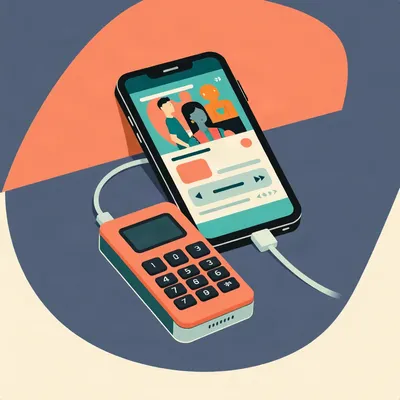
#5139: What Non-Internet Phones Reveal About Smartphone Addiction
Do internet-free phones prove the web is the addictive layer? The Haredi community offers a fascinating, if imperfect, natural experiment.
#4260: Rewriting Trauma: Psychedelics and Memory Reconsolidation
How psilocybin, MDMA, and ibogaine may help rewrite traumatic memories at the neural level.
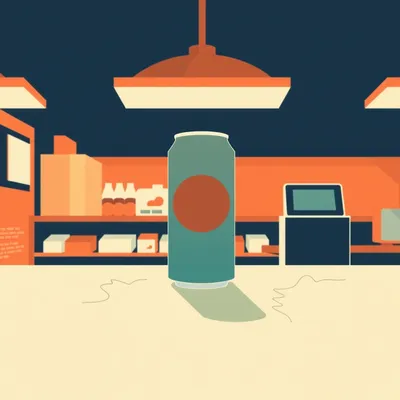
#4182: The Corner Store Loophole: Alcohol, Law & Addiction
Why corner stores can sell to visibly addicted customers—and what that does to the body.
#3927: How to Rewire Driving Fear in 10 Minutes
The science of why periodic drivers experience terror — and what to do about it.
#3880: The Safer Trap: Quaaludes and the Drug That Fooled Everyone
How a "safer" sedative became one of history's most dangerous cautionary tales in drug regulation.
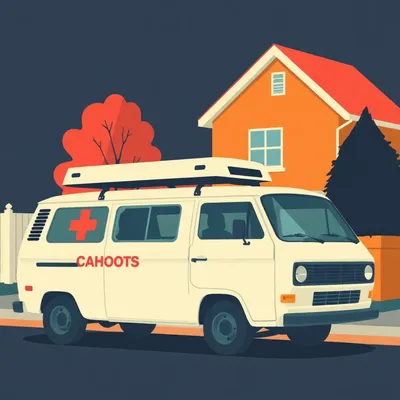
#3733: What Number Do You Call When It's Not an Emergency?
CAHOOTS, STAR, and the fragmented landscape of mobile crisis teams that fill the gap between 911 and doing nothing.
#3731: How to Spot Life-Threatening Intoxication
The signs of dangerous CNS depression most people miss — and what to do before help arrives.
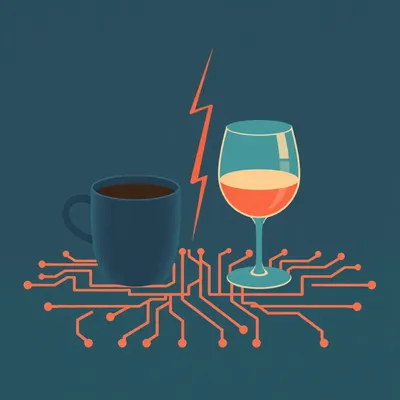
#3524: The Glutamate Trap: Hangovers, Panic, and the Brain
Why alcohol, caffeine, and poor sleep create a perfect neurochemical storm — and what it reveals about anxiety.
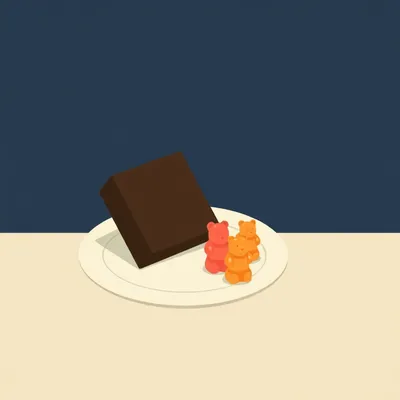
#3496: The Digestive Ambush Inside a Bag of Gummy Bears
Why gummy bears wreck your gut—and what to eat instead. A harm reduction guide to treats.

#3376: The Architecture of Childhood: Adult Children of Alcoholics
Why the COA movement isn't about preventing addiction — it's about healing the survival strategies you built in an unpredictable home.
#3260: How 10,000 Lever Presses Predict Addiction Risk
How rat breakpoints predict human abuse potential — and whether we can replace animal testing.
#3146: Why Youth Smoking Is Rising in Israel
Global smoking is down, but youth rates in Israel are rising. Here’s why.
#2533: Can Ibogaine Really Reset Addiction?
A deep dive into ibogaine's anti-addictive potential, cardiac risks, and the push for FDA-approved analogs.
#2484: The Alcohol-Depression Paradox: A Neurochemical Bridge
Why depressants worsen depression through rebound effects, not direct action — the real mechanism explained.
#2321: Kratom’s Double-Edged Leaf: Science vs. Marketing
From ancient remedy to modern supplement, Kratom’s story reveals gaps between marketing, science, and global regulation.
#1639: Surviving a Room With a Paranoid Stranger
When you're trapped in a shelter or taxi with a volatile individual, "fight or flight" can be a death trap. Learn the art of de-escalation.

#534: Before the Pill: The Brutal History of Psychiatry
Before modern meds, doctors used ice picks and malaria to treat the mind. Herman and Corn explore the desperate, dark history of early psychiatry.

#445: Beyond the Pill: The Science of Tapering Sleep Meds
Herman and Corn explore the science of tapering sleep meds, the "histamine rebound," and how to reclaim your natural rest.
#396: From Prozac to Plasticity: The New Science of Depression
Herman and Corn explore why we’re moving past SSRIs toward neuroplasticity, ketamine, and the gut-brain axis to treat depression.
#395: Brain on Fire: The Science of the Kindling Effect
Why does alcohol withdrawal get more dangerous every time? Explore the "kindling effect" and how the brain learns to become hyper-excitable.