
First Aid
28 episodes
#6416: Family First Aid Audiobook: Adults
Israeli emergency protocols explicitly instruct rescuers never to give back blows to a choking adult.
#6415: Family First Aid Audiobook: Children and Infants
For an infant or child in cardiac arrest when alone, rescuers must deliver two minutes of CPR before pausing to call emergency services.
#6280: Using Tactical Triage to Handle Daily Overwhelm
Military protocols prioritize stopping severe bleeding under fire before managing airways, showing how immediate threats dictate sequencing.

#5943: Tourniquets From Belts and Socks: What Actually Works
No commercial tourniquet on the ridge — so students built them from belts and socks. What the evidence actually says about improvised tourniquets.
#5914: Fire Alarms in 40-Story Towers: What Goes Wrong
How high-rise fire systems work — detection, smoke control, phased evacuation — and why burnt toast sends residents down 28 flights.
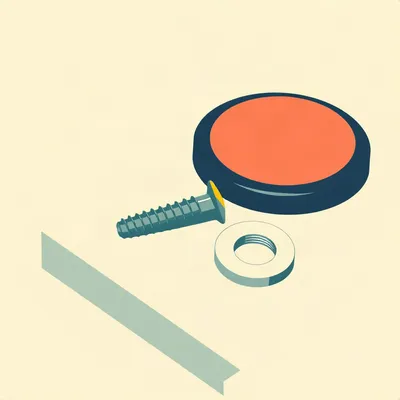
#5489: When Your Toddler Swallows a Screw
A screw and a washer from the same drawer are two different emergencies. Here's the triage protocol for the sixty seconds after the double take.
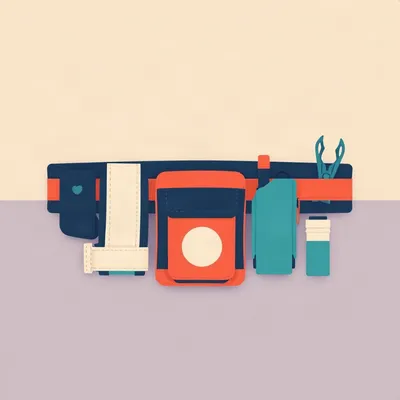
#5366: Packing a Medic Belt: TQ First, Then Everything Else
Tourniquet at ten o'clock, radio at four. How medics build a belt kit that works in seconds — and what goes in a reduced version for non-medics.
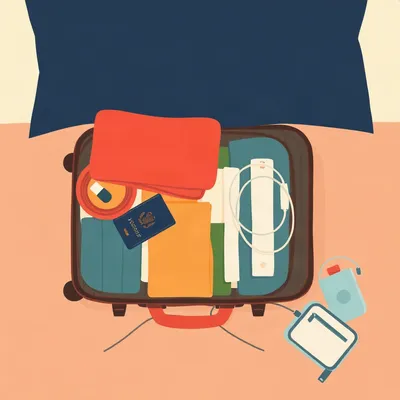
#4621: The Ultimate USA Packing List, Section by Section
A practical, check-off-as-you-go packing list for the US — from meds and documents to the nice-to-haves.
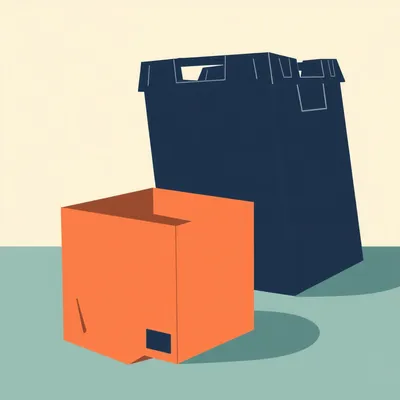
#4189: Why Lift 47 Breaks Your Back
Why a half-empty cardboard box can take you out when heavy lifting didn't. The hidden mechanics of back injury.
#4127: Quarterly Preparedness: A 30-Minute Binder System
A family preparedness binder designed for 30-minute quarterly reviews, so you stay ready without the anxiety spiral.

#3753: How to Safely Recover from Hypothermia
The safe way to warm up after getting dangerously cold — and why a hot shower can actually kill you.
#3735: What Actually Works in a High-Rise Fire
Why staying put is safer than evacuating — and what to actually do while you wait for rescue.
#3734: How Drowning Really Works (It's Not What Movies Show)
Drowning is silent, fast, and the rescuer's instinct can be deadly. Learn the modern sequence that saves lives.
#3732: Emergent Coordination: How Bystanders Self-Organize in Crises
What happens when too many helpers show up? The surprising science of how strangers divide tasks in an emergency.

#3727: What to Do When Someone Is Down in the Street
A step-by-step guide on what to do if you find an unresponsive person in public — and why "he's always like that" doesn't change the protocol.
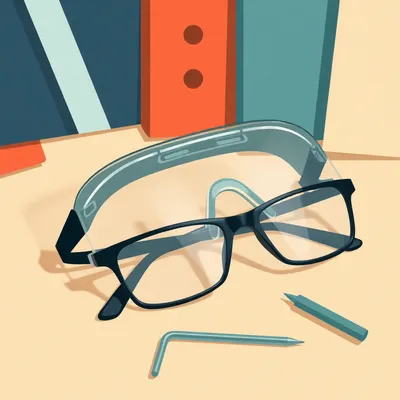
#3654: Safety Glasses Over Prescription Frames: 3 Paths
The gap between what most people use and should use for eye protection is enormous. Here are three real paths.
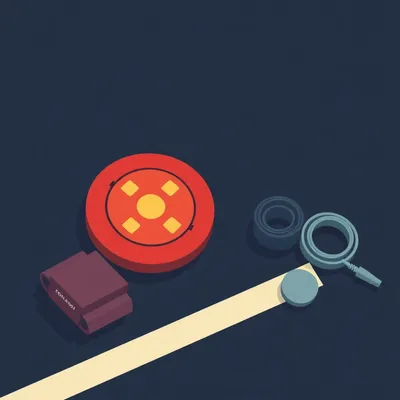
#3477: What Belongs in Your Car Emergency Kit
LED flares, tourniquets, and tire plug kits — the gear that actually makes a difference between inconvenience and danger.
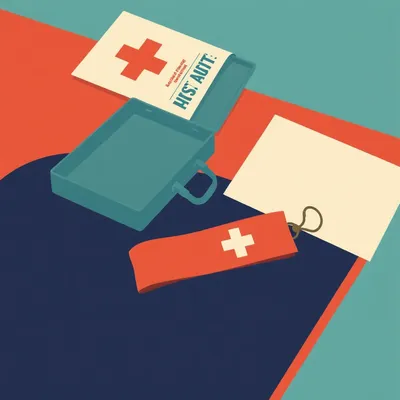
#3474: How to Actually Use a Tourniquet
Most people own a tourniquet but couldn't use one effectively under pressure. Here's what you need to know.
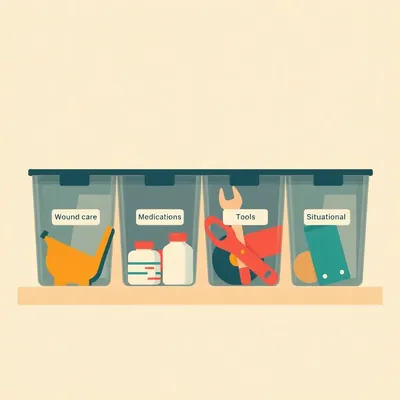
#3473: Organize Your First Aid Kit Like a Pro
A pediatrician explains the four-zone system for organizing your home first aid kit so you can find what you need in an emergency.
#2238: What Jerusalem Actually Needs to Survive
Forget the faraday cages. Two hosts design a real emergency syllabus for a city that's lived through actual crises.
#1861: Emergency Prep You Can Sing To
Herman turns emergency preparedness protocols into singalong pop songs. Corn has heard them all day and is not thrilled.

#1455: The 90-Second Sprint: Rethinking Home Defense
From the "90-second sprint" to the BRACED test, learn how to engineer your home and gear for 72 hours of total self-sufficiency.
#1355: Open-Source Emergency SOPs: Aviation Checklists for Your Home
Learn how to apply aviation-style checklists to survive a high-stress emergency in under 90 seconds using tactical systems engineering.

#880: The UX of Survival: Engineering Modular Prep Kits
Discover the PMPU strategy: a modular approach to emergency gear that prioritizes tech, connectivity, and organization when every second counts.