
Emergency Alerts
45 episodes

#5943: Tourniquets From Belts and Socks: What Actually Works
No commercial tourniquet on the ridge — so students built them from belts and socks. What the evidence actually says about improvised tourniquets.
#5923: Plus Codes: Free Addressing Nobody Uses
A free, offline, 14-metre addressing system exists — so why do ambulances still can't find the house?
#5914: Fire Alarms in 40-Story Towers: What Goes Wrong
How high-rise fire systems work — detection, smoke control, phased evacuation — and why burnt toast sends residents down 28 flights.

#5893: Command Centers That Drive: From Transit Vans to 32-Ton Trucks
How do you fit a headquarters into a truck? We trace mobile command centers from a 23-foot Transit van to FEMA's HEMP-hardened fleet.

#5303: Do Airline Safety Demos Actually Save Lives?
Everyone ignores the safety demo — especially frequent flyers. But when a plane catches fire, does that ritual actually get people out alive?

#4954: What Actually Starts House Fires — The Data
Cooking causes 49% of home fires. But heating and electrical are the real killers. Here's why.
#4807: What Actually Burns in Ireland vs. Israel
Same job, radically different fires. How climate and construction shape a firefighter's daily reality.

#4792: Shadowing an IMS Forecaster in 2026
What does a human forecaster actually do when AI models already handle 95% of the routine work?
#4115: Overpressure Not Airtight: How Mamads Actually Work
A tech guy and an architect debate mamad vulnerabilities. Both are wrong in a fascinating way.

#3761: How Countries Warn Civilians of Danger
From color codes to sirens: how the US, Israel, UK, and France tell civilians when danger is real.

#3749: Triage When Everything Breaks at Once
When a roof leak, server failure, and lease termination hit simultaneously, here's how to prioritize.

#3744: Euro Box Shelving: Maximize Every Centimeter
How to gain 57% more storage by building shelving to your actual ceiling height.
#3734: How Drowning Really Works (It's Not What Movies Show)
Drowning is silent, fast, and the rescuer's instinct can be deadly. Learn the modern sequence that saves lives.

#3732: Emergent Coordination: How Bystanders Self-Organize in Crises
What happens when too many helpers show up? The surprising science of how strangers divide tasks in an emergency.

#3477: What Belongs in Your Car Emergency Kit
LED flares, tourniquets, and tire plug kits — the gear that actually makes a difference between inconvenience and danger.
#3414: How to Actually Intervene in a Violent Attack
What the research says about the five tiers of intervention—from calling 999 to physical confrontation.

#3276: Pocket Signal Lights for War Zones
Dedicated signal lights explained: what they are, why the market is fragmented, and what actually works at 100 meters.

#3086: How 2 Cities Banned Cars From Their Centers
Pontevedra and Ghent removed cars from their cores. Emergency response times actually got faster.
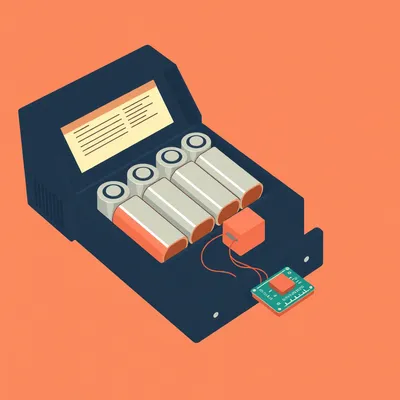
#2621: Wartime Ingenuity: Powering Connectivity in a Faraday Cage
Four 18650 cells can't stack to 230V. The secret is switching, not stacking.

#2080: The Silent Failure of Emergency Alerts
Why your phone might sleep through a siren, and how traffic lights could save your life.
#2075: AI Agents for Israel: Hyper-Local Skills in Action
How reusable AI "skills" are solving real Israeli problems—from shelter navigation to tax compliance.
#1871: The Physics of a Lifeline: Signal Loss in a Bomb Shelter
Stranded in a bomb shelter with no signal? Here’s the engineering to get internet through two meters of concrete.
#1861: Emergency Prep You Can Sing To
Herman turns emergency preparedness protocols into singalong pop songs. Corn has heard them all day and is not thrilled.
#1800: Hacking the Brain's Alarm System
Why some sounds make your skin crawl: the science of emergency alerts.