
Cognitive Biases
195 episodes · Page 2 of 9

#5551: Why Learning Makes Us Happier at Any Age
The credential isn't what makes learning feel good — choosing it is. What the research says about self-directed learning, aging, and hard times.
#5535: What's It Like Inside a 15-Month-Old's Head?
Rich sensation, no inner narrator, and memories that form but can't be retrieved — a tour of the fifteen-month-old mind.
#5427: Why Atheists Still Knock on Wood
Religion and superstition aren't the same thing — and the data says they might even pull in opposite directions.
#5370: The Spotlight Effect and the Heckler's Playbook
Why a waiting room feels scarier than a stage — and how performers handle hostile crowds without losing the room.
#5369: Pouch Full of Doubt: The Inner Critic at Urgent Care
A tool belt full of emergency supplies, two curious strangers, and the question: is your weird choice yours, or an echo of old ridicule?
#5304: The Skill of Expecting Less (But Not the Worst)
Realists beat optimists and pessimists on long-term well-being. Here's what the research says about keeping expectations accurate.
#5303: Do Airline Safety Demos Actually Save Lives?
Everyone ignores the safety demo — especially frequent flyers. But when a plane catches fire, does that ritual actually get people out alive?
#5210: How the Placebo Trial Became the Gold Standard
Control groups, placebos, blinding, randomization — four inventions across 250 years, assembled into medicine's most trusted method.

#5200: Gray Rocking vs. the Info Diet: What to Actually Share
Gray rocking gets the attention, but the info diet — quietly censoring what you disclose — may be the sharper survival tool.
#5155: Why 3 Days Away Feels Like 3 Weeks
Why a weekend away can restore you more than two weeks with relatives — the psychology of novelty, detachment, and time.

#5105: The 69% Rule: What Gottman Method Says About Recurring Fights
69% of couple conflicts are perpetual. Learn how the Gottman Method turns gridlocked fights into graceful dialogue.
#5087: Whose Voice Is That? Rewiring Your Self-Image
How to tell the difference between your own self-knowledge and a critical voice installed in childhood — and what actually works to renovate it.
#5086: How to Make Death Reflection Work Without the Terror
Spontaneous death reminders fade fast. Structured reflection changes how you live. Here's the science and the traditions that got it right.
#5083: The Shared Work of Teshuvah: Why Your Failures Aren't Unique
Why the Jewish New Year's framework for self-improvement mirrors psychology's most common regrets—and why shared struggle dissolves shame.
#5008: Why "Superfoods" Are Marketing, Not Science
The $200 billion superfood industry has no scientific definition. Here's what antioxidants actually do.
#4986: How to Weaponize Small Talk (Anti-Guide)
Turn "How are you?" into a weapon. An escalatory ladder from honest answers to full conversational catastrophe.
#4922: The Strangest Corporate Team-Building Exercises That Actually Happened
Trust falls, human knots, and apology rituals — the documented exercises that companies actually run on their employees.
#4921: The Breakfast Detective and Other Cringe Icebreakers
Why do some icebreakers create connection while others produce cringe? A three-factor model explains it all.
#4900: Why You Rebel Against Your Own Budget
The psychology behind overspending when you can't afford it—and what actually works.
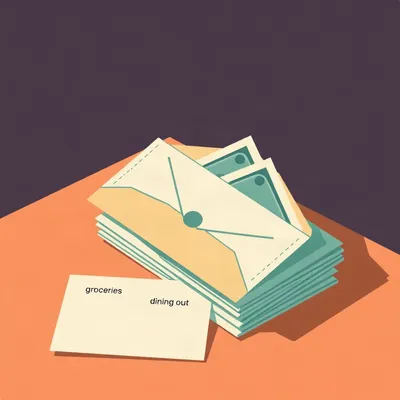
#4899: Budgeting for Word People, Not Spreadsheets
What if your brain processes words better than numbers? Here's how to budget without the spreadsheet dread.
#4895: The Tuna Aisle Dilemma: Hypervigilant Prosociality Explained
Why staying with in-laws you like can still feel exhausting—and what to do about it.
#4894: How Diplomats Stay in Touch (and You Can Too)
Friendship maintenance is a learnable skill. Here's what diplomats know about keeping weak ties alive.
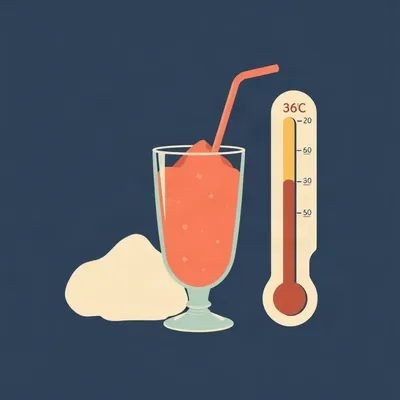
#4884: Cooling Your Brain When Heat Melts Executive Function
Why overheating destroys focus and what actually works for emergency cooling.
#4853: What Happens in the Sleep Netherworld
Why you can feel awake all night while your brain is actually asleep — and why it feels worse than pulling an all-nighter.