
Chemistry
24 episodes
#5776: Why UV Epoxy Keeps Curing in the Dark
UV epoxy isn't the same as craft-store UV resin — and its acid-based cure keeps working long after the light goes off.
#5761: Why You Shouldn't Dremel Your Antique Silver
A rotary tool removes metal in seconds that took a century to form. Here's what museums do instead — and why shine isn't the goal.
#5322: How New Is the Air You're Breathing?
A sealed air pillow from AliExpress leads to a genuinely strange question: how old are the molecules you're breathing right now?
#4729: How Coffee Was Discovered Before Chemistry
From fermented mush to roasted beans — how early humans discovered impossible foods without any chemistry.
#3498: The Physics of Perfect Sorbet
Most sorbet is icy gravel or a sugar bomb. Here’s the chemistry behind a smooth, scoopable frozen dessert.

#3264: What Were Ancient Tefillin Actually Made From?
Archaeological evidence reveals the original leather used for tefillin boxes — and it's not what most people assume.

#3249: Why Gold, Silver, and Bronze? The 5,000-Year-Old Metal Hierarchy Explained
Gold, silver, bronze—why this exact ranking? Chemistry, the sun, and a mountain of silver in Bolivia.
#3238: Ancient Ink, Modern Scribes: The Chemistry of Kosher Ink
What’s really in that bottle of certified kosher ink? A deep dive into Talmudic chemistry, gum arabic, and the Sharpie-on-Tefillin debate.
#3083: Two Atoms Changed Everything: The Lost Blue Dye
How a single dye, chemically identical to plant indigo except for two bromine atoms, was lost for 1,300 years.
#2987: How Epoxy Actually Works (It's Not Just Stronger Glue)
What makes epoxy different from superglue? The answer involves crosslinked polymers, amine hardeners, and bonds stronger than the materials they join.

#2970: The $300,000 Paint Job: Inside Airliner Coating Science
Why painting a 737 costs more than a house and involves self-healing chemicals, thermal stress math, and 1,100 square meters of precision.
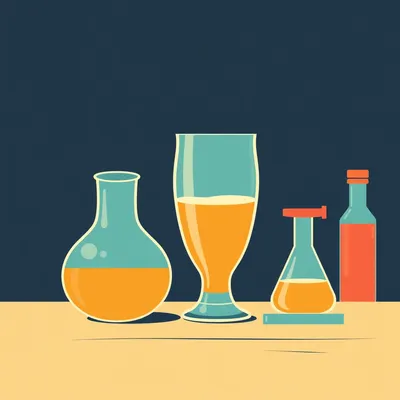
#2956: The IBU Illusion: What Bitterness Numbers Actually Mean
Why that 200 IBU beer on the label is chemically impossible — and what brewers are really doing.
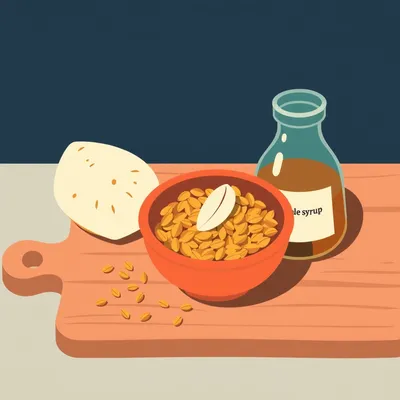
#2903: The Maple Syrup Paradox of Fenugreek
Fenugreek smells like maple syrup but tastes bitter. How one bean fooled the world for 8,000 years.

#2901: Can Ink Outlast Stone? The 5,000-Year Quest for Permanence
Egyptian lampblack lasts 4,000 years. Iron gall ink eats through paper. Which marking tech actually wins?
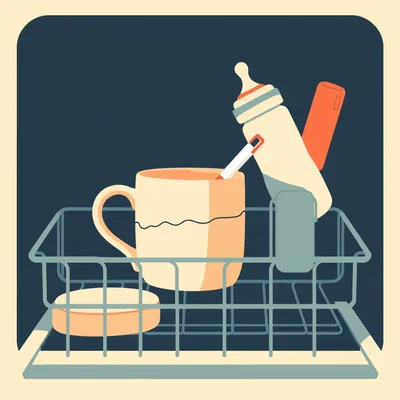
#2894: Dishwasher vs Marker: The Chemistry of "Permanent
Why your Sharpie fails in the dishwasher, and what actually works for plastic, fabric, and food safety.
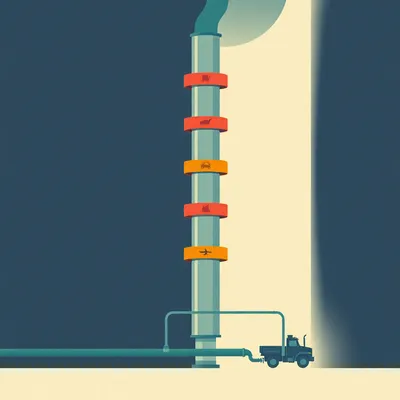
#2771: The Hidden Sophistication of Oil Refining
How ancient marine microorganisms become gasoline, diesel, and jet fuel — the complete journey from source rock to pump.
#2564: The Hidden Genius of Everyday Objects
Nichrome wire, bimetallic strips, and the chemistry of browning — how a $15 appliance packs serious engineering.
#2252: Why Lithium-Ion Won (And What's Next)
How the physics of lithium made it the king of batteries, and the engineering breakthroughs—from silicon anodes to solid-state cells—that are pushi...
#1755: Industrial Targets as Chemical Weapons by Proxy
A missile hit a pesticide plant. Now a toxic plume threatens Beersheba, blurring the line between industry and chemical warfare.

#1671: Toothpaste from Ancient Plankton: The Truth About Oil
Oil isn't dinosaur juice. It's ancient algae, transformed by millions of years of heat. We trace its journey from seabed to toothpaste.
#1655: The Chemistry of Flavor Pairing
Up to 80% of flavor is aroma. Discover the volatile compounds that make foods sing together—and how to use them.

#1028: The Edge of Matter: Mapping the Periodic Table’s Frontier
Is the periodic table finished? Explore the high-stakes hunt for superheavy elements and the theoretical "Island of Stability" at the edge of reality.
#716: Why Bombing a Nuclear Site Isn't a Second Chernobyl
Can you strike a nuclear site without a global catastrophe? Discover the science of precision strikes and the tech used to monitor "dark" sites.
#113: The Hidden Chemistry of Cheap Plastic
Why does new plastic smell so "aggressive"? Learn the science behind off-gassing, VOCs, and how to protect your home’s air quality.