
Tuesday, 17 November 2026
23 episodes · 6596 in all

#6661: Replacing System Beeps With 46 Voice Clips
Forty-six loudness-normalised voice clips replace generic system beeps on Linux desktops, Android phones, and custom shell scripts.
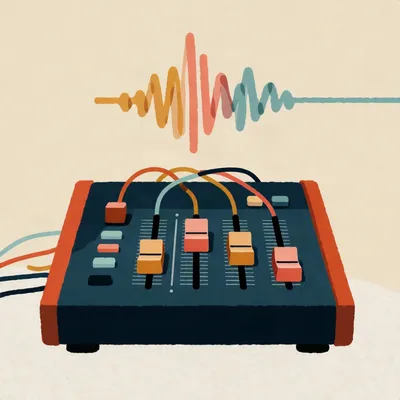
#6660: Stacking LoRAs Without Weight Interference
Image and video tools don't cap LoRAs in software—stacking past two just causes adapters to sum into the same weights and fight.
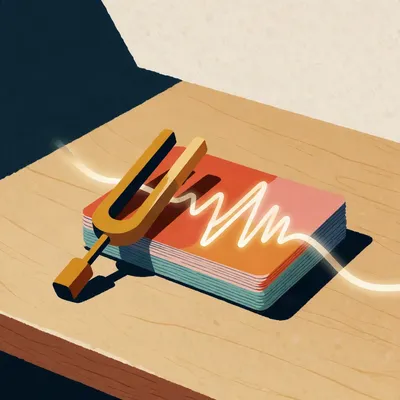
#6659: Updating Speech Models Weekly Without Forgetting
A single utterance per previous task is enough rehearsal to prevent catastrophic forgetting during sequential speech model updates.

#6658: Why Models Improve by Re-Reading the Same Data
Up to roughly four epochs of repeated data, a model's loss drops nearly as much as if it were seeing fresh unique examples.

#6657: Why Fine-Tuned Models Keep the Same File Size
A 627-million-parameter Parakeet TDT model stays 2.5 gigabytes even after 70 hours of voice fine-tuning because weights are nudged, not added.
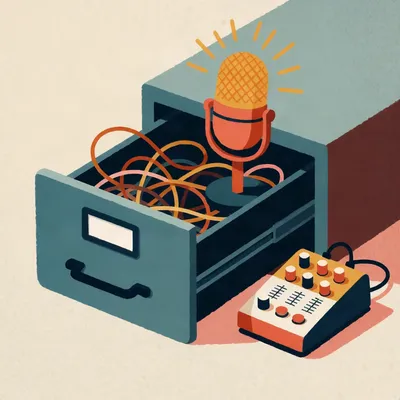
#6656: What Actually Lives Under Hugging Face's Audio-to-Audio Tag
Nearly 1,900 models share Hugging Face's audio-to-audio tag, mixing 7B-parameter chatbots with 9.6M-parameter noise removers.
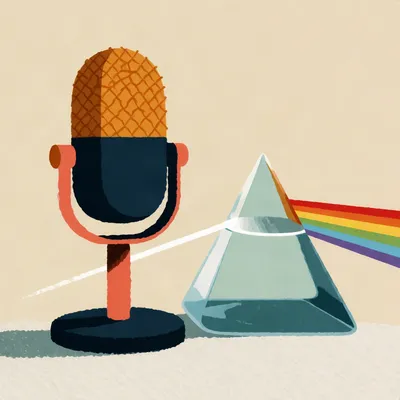
#6655: How Resemble-Enhance Generates Missing Speech Detail
Resemble-enhance lifted a muffled voice band by 14 dB, generating high frequencies that were never in the original recording.
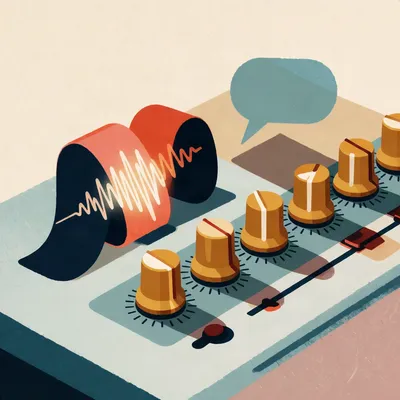
#6654: Two Ways AI Edits Audio From Plain Instructions
Three and a half years after AUDIT, instruction-based audio editing still splits into generative re-synthesis and LLM-driven effect knobs.

#6653: How Lighthouses Learned to Blink Their Names
Before flashing optics, a red lighthouse beam lost 60% of its light—so engineers invented a language of timed darkness.
#6652: Nostalgia Is a Trait, and Antiques Are Just Taste
Seventy-nine percent of people feel nostalgic at least once a week, and research shows it's a sign of attachment security rather than avoidance.
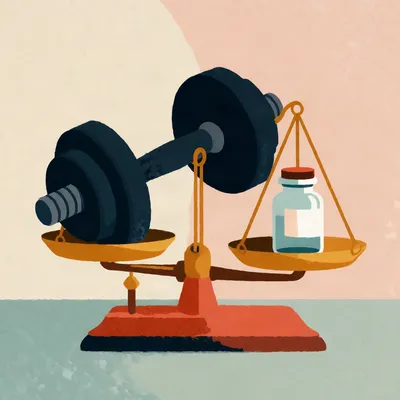
#6651: What Exercise Trials for Depression Actually Show
The BMJ network meta-analysis comparing exercise to antidepressants used indirect statistical chains, not head-to-head trials.

#6650: How Sleep Deprivation Temporarily Lifts Depression
One sleepless night lifts depression in about half of patients within hours, yet 83% of unmedicated responders relapse after their next sleep.

#6649: Brain implants for depression and the two-millimetre gap
In major trials of deep brain stimulation for depression, patients with devices switched off sometimes improved more than those switched on.

#6648: What Psilocybin Depression Trials Actually Show
Compass Pathways' Phase 3 trials for COMP360 hit their primary endpoints, but the Week 6 improvement over placebo was just 3.6 MADRS points.

#6647: What Bridges the Gap Before Antidepressants Work
More than nine out of ten people who survive a suicide attempt go on to live out their lives, showing the crisis often passes.
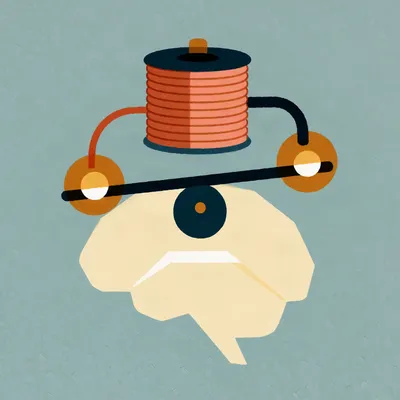
#6646: How Magnetic Pulses Target Depression Circuits
Theta-burst stimulation cuts a 37-minute magnetic brain session to 3 minutes, yet randomized trials still show a 24% vs. 12% placebo gap.
#6645: No Addictive Personality Type, Just Shared Traits
An analysis of 175 studies found neuroticism and urgency are linked to addiction, even though no single 'addictive personality' type exists.

#6644: How Ketamine Lifts Depression in Hours, Not Weeks
A subanesthetic dose of ketamine can grow new dendritic spines in hours, beating placebo by 3.44 MADRS points in a single day.

#6643: How HBO's Silicon Valley Built a Real Fake Startup
HBO's Silicon Valley consulted 250 tech insiders and even pitched its fictional compression startup Pied Piper to real venture capitalists.

#6642: Why Brunel the Tortoise Refused a Meccano Drawbridge
An 86-year-old tortoise cut his commute from 26 minutes to 4 using a Meccano drawbridge, then figured out the counterweight and walked around.

#6641: What Makes an Open-Source Dataset Actually Useful
A few thousand curated examples beat 50,000 machine-generated ones—but only once your dataset clears a hidden volume threshold.

#6640: How Implausible Conspiracy Theories Fold In Every Denial
In 2013, four percent of surveyed Americans believed shape-shifting reptiles run the world, a theory built from 1929 pulp fiction.

#6639: How Harvest Now, Decrypt Later Actually Works
Petabyte-scale archival costs have fallen 95% since 2010, making it nearly free to store encrypted traffic for future quantum decryption.