

#3226: Why Your Phone Must Stay in Airplane Mode (Even With Starlink on the Roof)
The paradox of phone bans vs. onboard Starlink, explained through physics, paperwork, and Swiss cheese safety models.
#3225: Why Loose Batteries Can't Fly in Checked Bags
Thermal runaway, Halon blind spots, and why your laptop is fine but a power bank isn't.
#3203: How Liquid Chrome Markers Create a Mirror Finish
The chemistry behind mirror-finish paint pens and how to use them for professional results.
#3183: Why Film Photography Is Surging in a Digital World
Film is growing 50% in 5 years. Here's the physics behind why analog looks different from digital.
#3182: Micro-Dispenser Pens vs Car Paint: What Actually Works
Can AliExpress scratch pens really fix car paint? The chemistry behind those tiny tips.
#3175: How Territorial Compression Triggers a Biological Chain Reaction in Gaza
Tracing the three specific mechanisms that turn territorial compression into disease outbreaks and rat infestations.
#3148: What Vaping Does to Your Lungs Beyond Nicotine
Formaldehyde, heavy metals, and popcorn lung — the real chemistry of vaping vs. smoking.
#3147: Third-Hand Smoke: What Lingers in Your Walls
How to detect hidden cigarette residue in rentals and why third-hand smoke persists for years.
#3130: How to Fight Better: The Science of Healthy Conflict
The first 3 minutes of a fight predict divorce with 90% accuracy. Here’s what to do about it.
#3118: Anteaters: Savanna Animals, Not Jungle
Brazil has the most, but Paraguay has the highest density. And no, they don’t just eat ants.
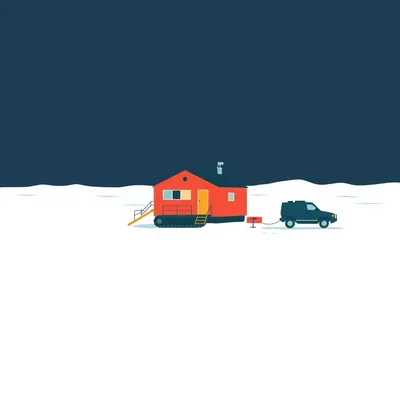
#3115: How Many Scientists Actually Live at the Poles?
The surprising answer: ~850 in Antarctic summer, ~400 in winter, and effectively zero at the North Pole.
#3107: Precision Engineering Disguised as a Paint Pen
The hidden science of markers that survive jet exhaust, salt fog, and 650°C steel.
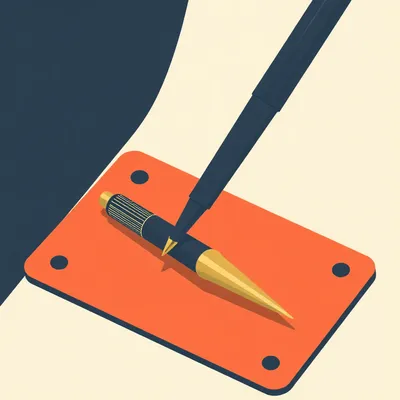
#3105: The Four-Hundred-Year-Old Pen That Outperforms Modern Tech
A 400-year-old tool still draws lines thinner than any modern technical pen can manage.
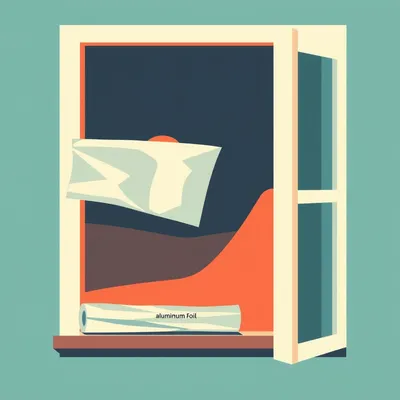
#3104: Does Tinfoil on Windows Actually Cool Rooms?
Tinfoil on windows can drop temps 4-5°C. But there are hidden tradeoffs you need to know.
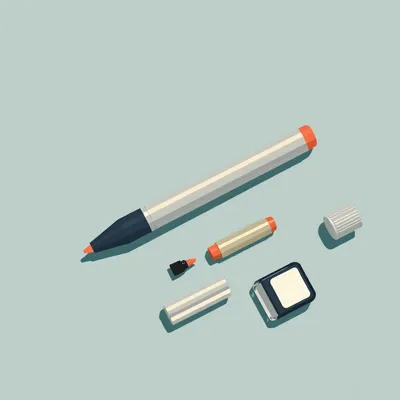
#3103: Refillable Markers: Industrial Ink Chemistry & Nib Selection
How Molotow's modular marker system saves thousands on factory floors with lacquer and oil-based inks.
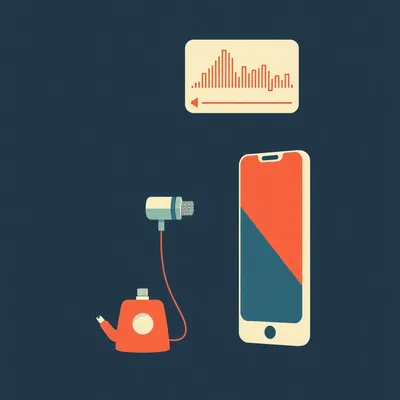
#3097: Measuring Car Horns: Phone Apps vs. Court Evidence
Can a phone spectrogram app prove which car honked? Usually not — here's what you actually need.
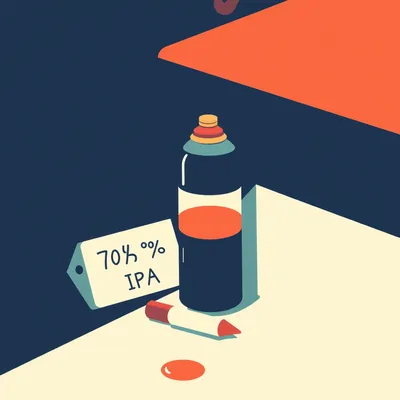
#3094: Surface Prep for Markers That Last
Why 70% isopropyl is the benchmark and what to use when you can't get it in Israel.
#3089: How Climate Consensus Actually Formed
The surprising journey from skepticism to scientific certainty — and what the data says about summer 2026.
#3083: Two Atoms Changed Everything: The Lost Blue Dye
How a single dye, chemically identical to plant indigo except for two bromine atoms, was lost for 1,300 years.
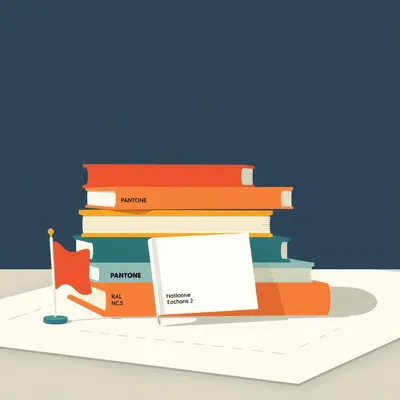
#3080: How Flags Actually Pick Their Blues
Pantone, RAL, and NCS — three systems, three philosophies, and one very blue flag.