
Science and Nature
Natural and formal sciences: physics, chemistry, biology, earth science, and mathematics.
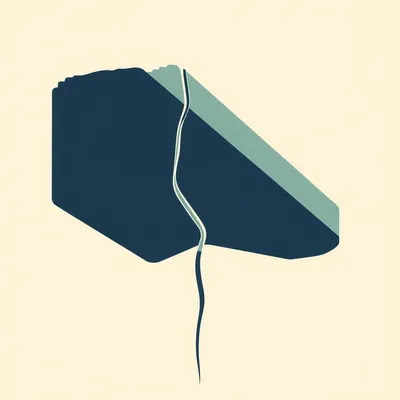
#3975: Reading Concrete Cracks: What Your Building Is Telling You
Most cracks aren't emergencies. Here's how to tell which ones are — and why fixing them late costs 5x more.

#3974: How Pilots Land in Crazy Crosswinds
The physics, engineering, and pilot skill behind those jaw-dropping crosswind landings you've seen online.

#3973: How Autoland Guides Planes Through Zero Visibility
The engineering behind aircraft autoland systems that guide planes to the runway when pilots can't see anything.
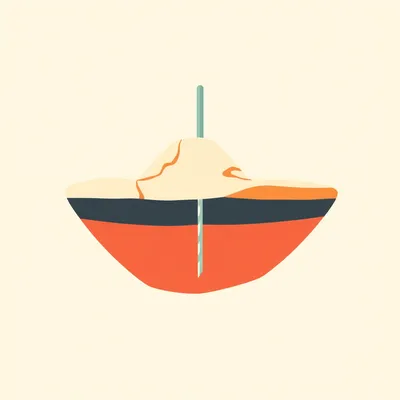
#3970: What Does "Bedrock" Actually Mean Under Jerusalem?
Why "hitting bedrock" means different things depending on your building's height and where in Jerusalem you're standing.

#3969: Socotra: Can You Actually Visit Yemen's Alien Island?
Dragon blood trees, war zone sovereignty, and an Israeli passport — the real questions about visiting Socotra in 2026.
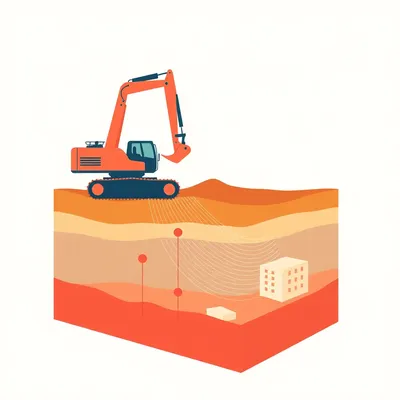
#3964: Why Your Building Won't Collapse During Nearby Construction
How engineers keep buildings safe during excavation — it's not luck, it's physics with paperwork.
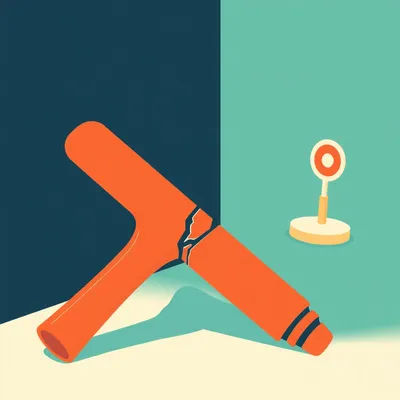
#3958: Cracking the Code on Drop-Resistant Plastic
Why your plastic parts arrive shattered — and how to specify them so they don't.
#3954: The Surprising Chemistry of Road Paint
Road markings are optical devices engineered to survive 10,000 trucks a day. Here's how they actually work.
#3951: Can You Trust That Used Plastic Container?
How to avoid bringing home a chemical-soaked container when buying second-hand industrial totes.
#3930: Why Movers Are Stronger Than They Look
How movers and Olympic lifters build elite strength without big muscles — it's all in the nervous system.
#3924: Can You Make a Hi-Vis Vest for a One-Year-Old?
A dad with a toy forklift discovers why ANSI safety standards make toddler hi-vis vests mathematically impossible.
#3900: Why Zero-Side-Effect Drugs Are Impossible
Side effects aren’t design flaws—they’re physics. Here’s why no drug can ever be perfectly safe for everyone.
#3898: The Box That Warps: Moving vs Storage Physics
Why your Eurobox warps under a ratchet strap — and why cardboard doesn't.
#3887: The Science Behind a Boring 25-Story Building
How tuned mass dampers, self-healing concrete, and vortex shedding make tall buildings feel boringly ordinary.
#3879: What the Moon Actually Smells Like
Twelve humans have walked on the Moon. Here's what it actually felt, smelled, and sounded like—and why we stopped going.
#3875: Why Netflix Breaks on the Moon
Two and a half seconds of ping time breaks the internet. Here's why space communication is so hard.
#3869: How a Bendy Stick Transmits Torque
The surprising engineering inside flexible screwdriver extensions and how they transmit torque around obstacles.
#3866: What's Actually Inside Your Plastic Storage Bin?
Two bins can both say "polypropylene" — one lasts two years, the other two decades. Here's why.
#3864: How to ID Mystery Metal Before You Drill
A practical workflow for identifying unknown metals before you engrave, drill, or grind them at home.
#3863: Mohs Scale to Dremel Bits: What to Buy First
From Friedrich Mohs to your Dremel: what hardness means for engraving wood, metal, glass, and stone.