
Health and Psychology
Human body and mind: medicine, mental health, neuroscience, ADHD, and everyday psychology.
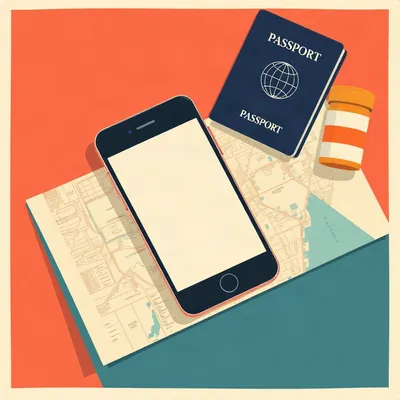
#5364: The Emergency Note You Hope You Never Need
Penicillin in Bangkok, paracetamol in London, Adderall at customs. What actually goes in the note on your phone?
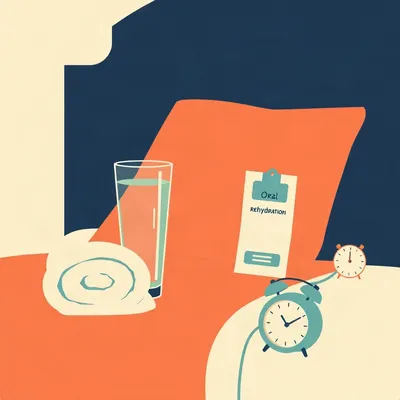
#5363: One Well Adult vs. a Stomach Bug
Solo caregiver, sick kid, sick partner — how to run fluids, spot red flags, and decide on night checks.
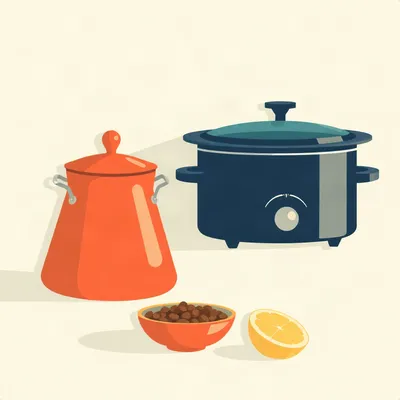
#5360: Ful Medames: Slow Cooker vs Pressure Cooker
Dried fava beans, a slow cooker, and one overnight soak — the idiot-proof path to Egyptian street-style ful medames.
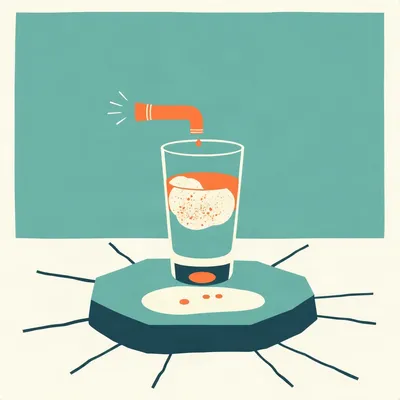
#5336: Cholera and the 3.4 Billion Without Safe Sanitation
Cholera is fast, cheap to treat, and entirely preventable — yet 3.4 billion people lack safe sanitation. Here's why the numbers don't add up.
#5304: The Skill of Expecting Less (But Not the Worst)
Realists beat optimists and pessimists on long-term well-being. Here's what the research says about keeping expectations accurate.
#5284: ADHD Meds, Border Rules, and Thank-You Gifts
Why is it so hard for adults with ADHD to fill a stimulant prescription — and is a thank-you gift to the pharmacist ethical?
#5280: What Chemicals Do to Workers in 2026
2.9 million work-related deaths a year — and 2.58 million of them are disease, not injuries. What workers still don't know about the air they breathe.
#5279: Heavy Metals: Real Syndromes vs. Online Noise
Lead, arsenic, mercury, cadmium — each metal has its own syndrome, route, and treatment. The vague online version misses all of it.
#5272: Soldering for Beginners: Badges, Fumes, and Real Safety
The smoke you see isn't the lead — and the cheap fume extractor most beginners buy doesn't work. Here's what actually does.
#5269: Why 4 A.M. Wake-Ups Hit Different
A listener asks why 4 a.m. wake-ups feel so much worse than 1 a.m. — and what the insomnia science actually says to do about it.
#5263: Why Micro USB Ports Break and How to Fix Them
Micro USB ports fail mechanically, not electrically. Here's why they break, how to diagnose it, and whether a USB-C swap is worth it.
#5258: Vyvanse, Alcohol Withdrawal, and the Titration Problem
A listener's water-titration experiment with Vyvanse leads to a bigger question: can medicine model neurotransmitter systems in real time?
#5246: Why Adult ADHD Support Skips the Physical Layer
ADHD support defaults to therapy and coaching — but what if the real friction is sensory and physical? A look at the occupational therapy gap for a...
#5232: Zello, PTT Buttons, and the Kitchen Intercom Question
Why your Bluetooth speaker ignores Zello's push-to-talk — and what to buy instead for a hands-full, phone-off fallback.
#5231: Uranium: From Yellow Glass to Little Boy
Connecticut well water, Roman glass, and the isotope that changed the world — the strange story of element 92.
#5222: How to Fill a Room With People Who Remember You
Is there a rent-a-crowd industry, and can you use it to make a 41st birthday feel like being remembered?

#5219: Speechreading: What Lips Can and Can't Tell Us
Lips carry only 30–40% of speech sounds. What speechreading actually is, how the brain fuses sight and sound, and why forensic lip reading fails.

#5217: Inside the Hidden Fleet of Medical Couriers and Police Escorts
A hidden network moves organs, blood, and critical patients through cities at speeds the roads weren't built for.
#5214: Meningitis: Why It Kills So Fast
Meningitis is an anatomical description, not a prognosis. Same word, wildly different odds — from a bad week to five days from flu symptoms to a fu...

#5212: What Happens in Your Brain During a Migraine Aura?
A shimmering wave rolls across your visual cortex at 3mm per minute—and you can watch it happen. Here's the neuroscience behind migraine aura.