
Memory
132 episodes · Page 3 of 6
#3930: Why Movers Are Stronger Than They Look
How movers and Olympic lifters build elite strength without big muscles — it's all in the nervous system.
#3926: What Your Amygdala Does During a Near-Miss
How a near-miss on Route 1 reveals the biology of trauma — and what Israeli data shows about who develops PTSD.

#3820: What Feral Children Reveal About Human Brains
The tragic natural experiments that reveal how language and social bonds shape the human brain.
#3716: The Linguistic Netherland: When No Language Is Native
What happens when your native language fades but you never fully master a new one? Linguists call it "semi-speaker" status.
#3687: How Curiosity Shapes Specialists and Generalists
Why some brains crave novelty while others seek depth—and how both types fit together in society.
#3605: Can You Retain Audio While Doing Dishes?
Does folding laundry while listening to a podcast help or hurt retention? The science is surprisingly clear.
#3590: Why Bad Sleep Makes Your Body Feel Broken
The surprising physiology behind that clammy, hungover feeling after poor sleep — explained.
#3586: The Barney Giggle: How Childhood TV Shapes Adult Behavior
Did Barney the Dinosaur program your adult social responses? The surprising neuroscience of childhood media conditioning.

#3570: How Your Brain Builds a Philosophy
Where do your beliefs really come from? The surprising science of how humans build personal philosophies.
#3534: The 90-Minute Blueprint: How Sleep Cycles Actually Work
N1, N2, N3, REM — what actually happens in each stage and how the cycle shifts across the night.
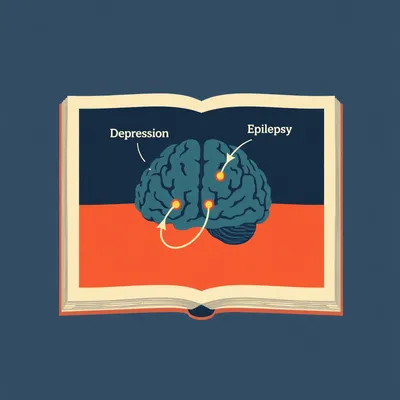
#3523: The Truth About Epilepsy: Seizures, Depression & IQ Myths
Epilepsy isn't binary. One seizure doesn't always mean epilepsy, and the link to depression is stronger than the link to genius.
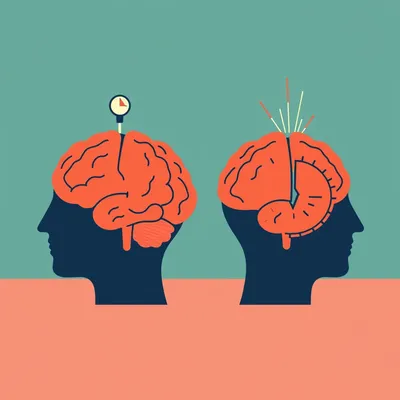
#3517: Why Most Depression Is Unipolar
Unipolar depression is 10x more common than bipolar, yet gets far less attention. Here’s what makes them biologically different.
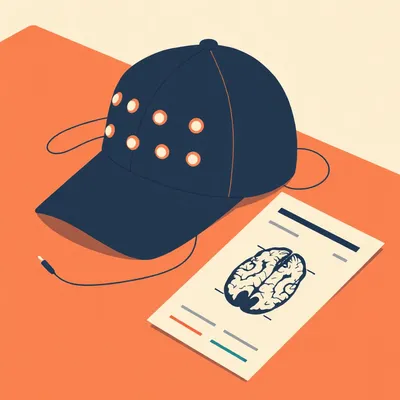
#3515: Brain Scans Beyond fMRI: What Comes Next in Psychiatry
fMRI was a revolution — but it's no longer cutting edge. What new tools are emerging, and will they ever reach your clinic?
#3509: Why 8 Hours of Sleep Feels Like Zero
Sleep math is lying to you. Here's why interrupted sleep wrecks your brain worse than no sleep.
#3497: How Fathers Build Lasting Bonds in the First Two Years
Concrete, research-backed strategies for dads to build deep, lifelong connections with their sons starting in infancy.
#3444: Is Boredom Essential or a Bug to Fix?
Boredom triggers creativity, but only if you don't fill every gap with a screen. What the science actually says.
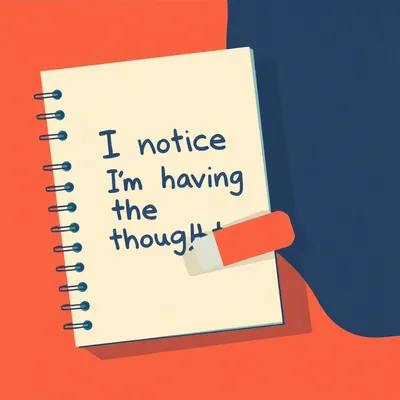
#3377: How to Silence Your Internalized Critic
Four evidence-based paths to quiet the toxic voice installed by critical caregivers and rebuild trust in yourself and others.
#3374: Is Your Desk Making You Dumber?
Sitting at a desk for 8+ hours isn't neutral—it might be making you less creative, more tired, and driving turnover.
#3373: What Feral Cats and Goldfish Reveal About Animal Minds
From feral cats in Jerusalem to goldfish memory myths—what do we actually know about animal inner lives?
#3364: What Really Separates Elite Performers
Practice hours explain only 26% of elite performance. So what actually creates world-class musicians, actors, and athletes?

#3297: Why Do Babies Randomly Scream? The Science of Screech-and-Listen
That piercing infant scream isn't just noise — it's vocal practice, acoustic feedback, and a neurological milestone.
#3295: Why Strangers Drain Your Brain
The neuroscience behind why meeting new people exhausts you — and why it's not just in your head.
#3270: How SSRIs Actually Rewire Your Brain (and What Happens When You Stop)
The brain builds an entire scaffold on antidepressants. Why does it get torn down so fast when you stop?
#3239: Why the Brain Doesn't Fight Back Against Vyvanse
How SSRIs and Vyvanse trick the brain’s homeostatic machinery into healing instead of resisting.