
Materials Science
214 episodes · Page 2 of 9
#5514: Drilling Concrete: Jigs, Anchors, and Fidelity
Why your hammer drill wanders off mark, which wall-capable jigs actually grip, and how to match drill bits to anchors.
#5362: Building a Workbench Superstructure From T-Slot
T-slot, welded steel, or strut channel? How to build a vertical frame that carries monitors, shelves, and lights off your desktop.
#5333: How Screws Conquered the World
The screw spent 2,000 years as a machine before it held anything together. Here's how it became the hardware aisle we know.
#5329: One Box of VESA Mounts, Three Wrong Assumptions
Daniel's box of orphaned VESA mounts raises three questions — and the answers all point away from welding.
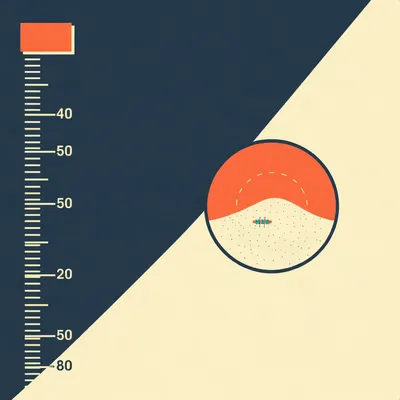
#5321: From Millimeters to Atoms: The Units of Small
A millimeter is the last unit you can feel. Below it, the trades borrow microns, mils, and angstroms — and the atom is a different regime entirely.
#5287: Does an Engraver's Practice Material Kit Exist?
Hand engravers have practice plates. Designers have plastic sample sets. Nobody's combined them — here's how to build your own reference library.
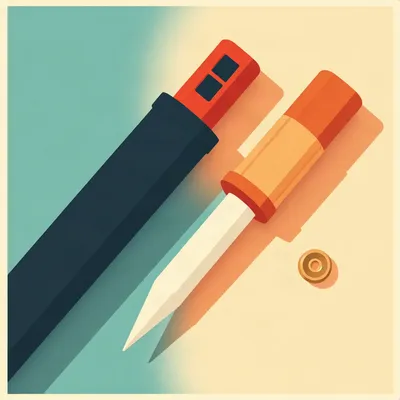
#5283: PH vs PZ: The Screw Bit Difference Nobody Notices
Two cross-head bits sit in every driver set. One was an accident that became a standard; the other was engineered on purpose and almost nobody can ...
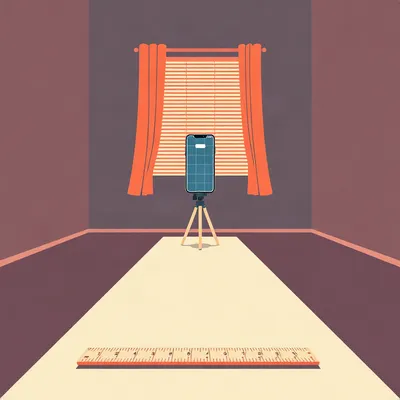
#5278: Photogrammetry vs Gaussian Splat: Scanning a Room Without LiDAR
No LiDAR? No problem. How capture modes, masking, and vertical parallax shape a phone-based room scan.
#5272: Soldering for Beginners: Badges, Fumes, and Real Safety
The smoke you see isn't the lead — and the cheap fume extractor most beginners buy doesn't work. Here's what actually does.
#5225: Carving Paleo-Hebrew Into Everyday Objects
Custom metal stencils, the right vector files, and tasteful ways to bring an ancient script back onto everyday objects.

#5224: When Hands Learned to Cut: Engraving and the First Metals
Half-million-year-old shell grooves, 9,000-year-old copper beads, and the feedback loop that turned cutting lines into an entire civilization.
#5211: Brass vs Stainless: Marking HDPE Boxes That Last
Engraving HDPE storage boxes means fighting heat, not cutting. Here's how stencil material, carbide bits, and groove depth all connect.

#5194: Designing Buildings to Age Beautifully
Copper turns green, lime plaster hardens, concrete just stains. What if architects designed for year 100 instead of day one?

#5191: Marble in the Kitchen: Patina or Damage?
Why Israeli stone suppliers say no to marble countertops and American designers say yes — and what the chemistry actually says.
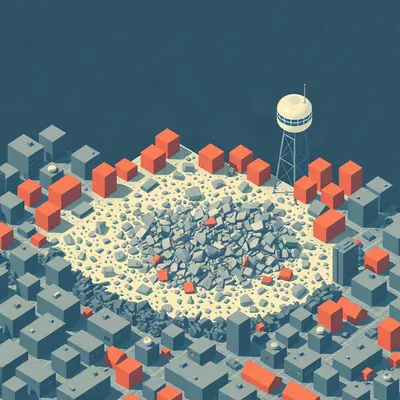
#5149: What 40 Million Tons of Rubble Does to a Landscape
Satellite imagery shows the scale. It doesn't show the eight meters of crushed concrete, the asbestos dust, or the ordnance beneath.
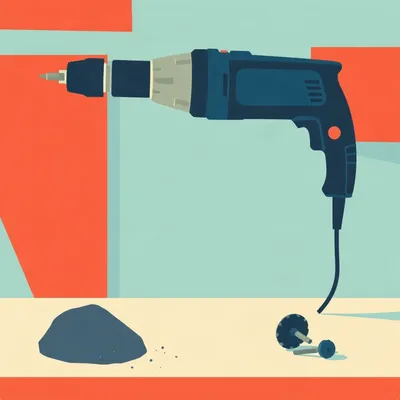
#5101: Drill Bits and Concrete: What Actually Worked
A 12V drill, a $20 bit set, and a reinforced safe room wall — what actually happened, and why the first bit failed.
#5093: What Actually Makes a Toolbox Last?
Plastic vs. metal vs. modular cases — what actually survives drops, sun, and rain?
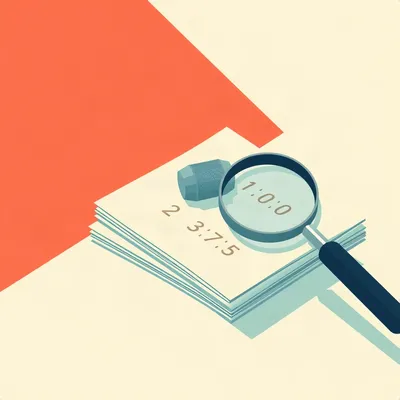
#5072: Tiny Raised Numbers: Why Embossing Is a Mold, Not a Mark
Why those tiny raised numbers on plastic parts are molded in, not stamped on — and what that means for aftermarket marking.
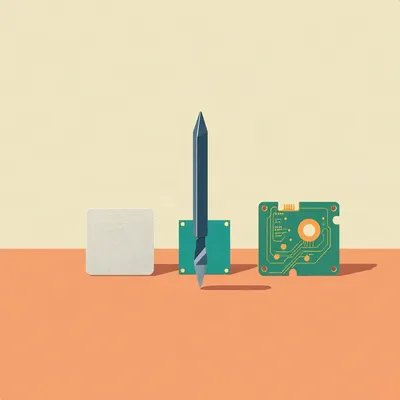
#5060: Engraving Bits Decoded: Geometry, Grade, and Material Match
Cone vs. ball-nose vs. pointed, C2 vs. C4, single vs. multi-flute — what actually matters when engraving with a handheld rotary tool.

#5058: The Hidden World of Standards Beyond ISO
Military specs, proprietary formats, and internal rules — how standards shape everything, and who really writes them.
#5052: Drill Bits Explained: Why Concrete Bits Fail on Plastic
Why a concrete bit ruins acrylic, what HSS actually means, and whether drill bit sharpeners are worth it.
#5050: Engraving Hardened Steel: Carbide Grades & Hardness Tests
How to measure material hardness without destroying your workpiece, and pick the right carbide grade for stainless steel engraving.
#5049: How Deep Does an Engraving Need to Be?
Why engraving outlasts stickers and ink — and what NASA specs reveal about carving for the ages.

#5030: How the Blue LED Quietly Rewired the World's Energy Grid
From 15% of global electricity to under 10%—how a semiconductor breakthrough made lighting nearly free and what's next.