
Manufacturing
123 episodes · Page 2 of 6

#5265: Repairing a $50 Dremel When the Warranty Costs More
A $50 tool, a 90-minute drive, and a warranty that costs more than the item. How macro PCB photography and public documentation make repair possible.

#5225: Carving Paleo-Hebrew Into Everyday Objects
Custom metal stencils, the right vector files, and tasteful ways to bring an ancient script back onto everyday objects.

#5224: When Hands Learned to Cut: Engraving and the First Metals
Half-million-year-old shell grooves, 9,000-year-old copper beads, and the feedback loop that turned cutting lines into an entire civilization.
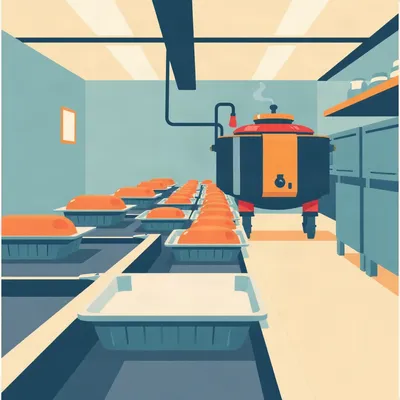
#5095: Airline Food Factories: Inside the 24-Hour Cold Chain
Giant plants, 800-liter kettles, and recipe engineers — how 50,000 meals a day get from factory floor to 35,000 feet.

#5072: Tiny Raised Numbers: Why Embossing Is a Mold, Not a Mark
Why those tiny raised numbers on plastic parts are molded in, not stamped on — and what that means for aftermarket marking.

#5058: The Hidden World of Standards Beyond ISO
Military specs, proprietary formats, and internal rules — how standards shape everything, and who really writes them.
#5050: Engraving Hardened Steel: Carbide Grades & Hardness Tests
How to measure material hardness without destroying your workpiece, and pick the right carbide grade for stainless steel engraving.

#5049: How Deep Does an Engraving Need to Be?
Why engraving outlasts stickers and ink — and what NASA specs reveal about carving for the ages.

#5040: The 130,000-Person Secret: Beyond Oppenheimer's Story
The Manhattan Project wasn't just physicists on a mesa. It was 130,000 workers, secret cities, and an industrial effort we rarely hear about.

#5023: The Three Machines Hiding in "Get a Small Vacuum
Dust, fume, and static are three different problems. One word — "vacuum" — can't solve them all.
#5007: Cordura & YKK: What the Numbers Actually Mean
Denier isn't toughness. Zipper gauge isn't everything. Here's what to actually look for in EDC gear.

#4805: How a Pig Bladder Became a P100 Filter
From Roman miners using animal bladders to 3M's electrostatic breakthrough — the strange history of breathing protection.

#4761: The Click That Changed Storage: Akro Mills Deep Dive
Why a 1940s Ohio bin company still beats Uline knock-offs at 8-foot drops.

#4716: Connecticut's Real Cultural DNA: Austerity or Sturdiness?
Is Connecticut's frugality a joyless austerity or a functional sturdiness? We untangle the Puritan and Yankee threads.
#4657: From Plugboards to JIT: Who Controls the Hardware?
How the relationship between programming languages and hardware shifted from total programmer control to runtime autonomy.
#4560: How Strong Can Plastic Actually Get?
From Euroboxes to bulletproof vests — tracing the molecular secrets behind plastic's surprising strength.
#4554: Inside the Eurobox: The Hidden Standard That Runs Warehouses
The shipping container is famous. The Eurobox inside it? Not so much. We trace the cascade of standards that makes modern logistics work.
#4519: Why US Freight Uses a 48x40 Pallet
Why the US uses a 48x40 GMA pallet, 53-foot trailers, and 80,000-pound weight limits — and how it all differs from Europe.

#4518: Pallet Wars: What Importers Lose in the Gap
How pallet mismatches between Asia, Europe, and North America cost importers time and money.

#4512: Steel vs Aluminum vs Plastic: The Real Sustainability Story
Steel, aluminum, and plastic compared on carbon footprint, recyclability, and real-world lifespan. The answers might surprise you.
#4507: The 30-Year Plastic Crate That Runs Global Logistics
How an Israeli injection-moulded polypropylene box became invisible infrastructure powering global supply chains for decades.
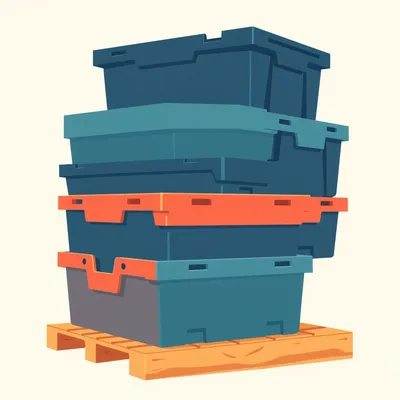
#4506: The Forty-Year Storage Bin
Industrial HDPE containers built for decades of reuse, and the real environmental math behind plastic vs. metal.

#4478: Digikey, Mouser, and the Hidden Supply Chain of Components
How Digikey and Mouser quietly keep the global electronics industry running with impossibly large catalogs and same-day shipping.
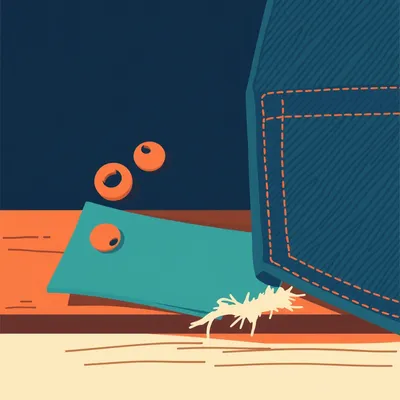
#4440: Before Denim: The Terrible Trousers That Rivets Killed
Before 1873, workers wore trousers that rotted, unraveled, or sandpapered their legs. Then a Nevada tailor fixed it with a copper rivet.