Habits and Behavior Change
221 episodes · Page 8 of 10
#2034: ADHD and Relationships: Breaking Unhelpful Patterns
ADHD time blindness creates a "parent-child" dynamic in relationships. Here’s how to fix it.

#2030: Making Productivity Apps Work for the ADHD Brain
That folder of unused apps? It’s not a personal failure—it’s a design problem. Here’s why complex tools backfire for ADHD brains.

#2029: ADHD Brains: Why Willpower Fails & How to Hack It
Stop blaming yourself for half-used planners. Here’s the neurobiology behind ADHD time management.

#1965: Where Do We Go When We Say "We Have to Go"?
A listener asked where we go after the mics cut. The answer is a masterclass in low-burn living.

#1958: Why Is Being Late Respectful?
We traded natural rhythms for the factory clock. Here’s how the Industrial Revolution rewired our relationship with time.
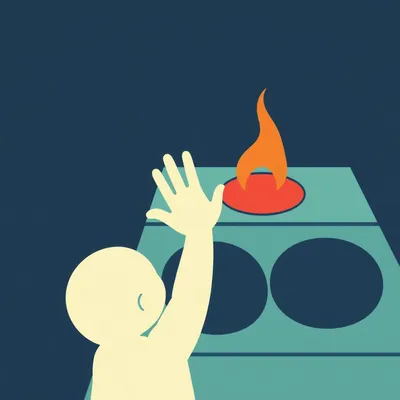
#1954: The Inuit Trick to Stop Yelling at Babies
Discover the "Kigiq" sound and the "Calm Captain" role from ancient Arctic strategies for raising emotionally regulated children.
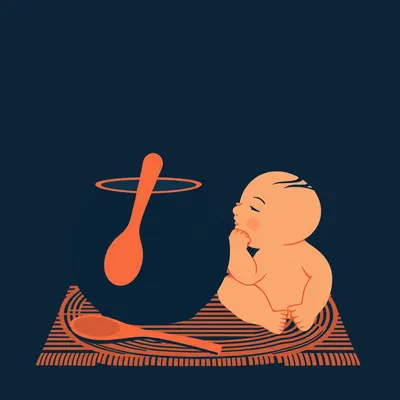
#1950: The Maya Secret to Calm, Helpful Kids
Discover how a 3,000-year-old Maya village upbringing can replace modern parenting stress with calm, cooperative kids.
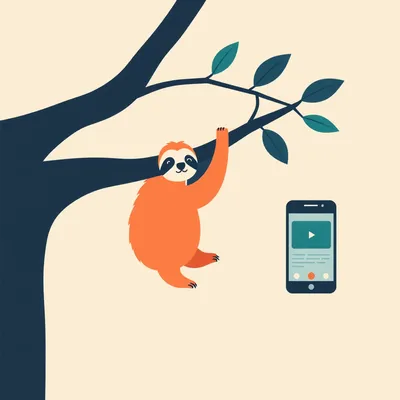
#1791: Why the Slowest Animal Has 4 Billion Views
The sloth has replaced the hustle icon. Here's why 4 billion views on TikTok prove we're desperate for metabolic stillness.
#1769: Affirmations & Visualization: Science vs. Wishful Thinking
We unpack the $43B personal development industry: why "I am lovable" can make you feel worse and how mental rehearsal actually rewires your brain.
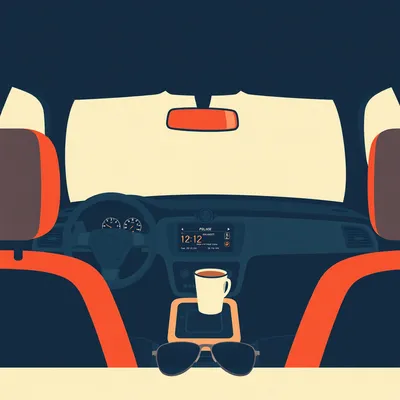
#1707: Driving in the Future: Predictive Modeling Under Extreme Cognitive Load
Officers use predictive modeling and cognitive tricks to handle high-speed chases without crashing.
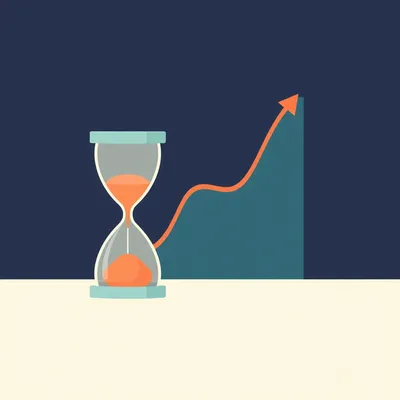
#1691: The 40% Cortisol Spike of Solo Parenting
No family nearby? That 3 AM exhaustion isn't just fatigue—it's a measurable physiological state called Isolated Parent Syndrome.
#1536: From Crisis to Consistency: ADHD Habits That Stick
Discover why high-stress boosts ADHD focus and how to maintain that organization when the adrenaline fades using proven cognitive techniques.
#1514: The Midnight Watch: Is Our 8-Hour Sleep Block a Lie?
Before the industrial age, humans didn't sleep in one block. Discover why "first and second sleep" might be better for your brain.

#1484: The Illusion of Learning: From AI Brain Fry to Mastery
Why do podcasts make us feel smart but leave us with zero retention? Discover the science of AI Brain Fry and the power of active debate.

#1456: Surviving the Long Haul: Overcoming Alert Fatigue
Learn why the "week three spike" occurs and how to use mechanical habits to overcome your brain's natural tendency to ignore danger.

#1412: The Checklist Cure: Why Even Experts Need SOPs
Learn why even the world’s top experts rely on checklists to prevent catastrophe and how to design procedures that actually work.
#1315: The Sloth Strategy: Why Slow Living is a Survival Skill
In a world obsessed with optimization, slowing down isn't just a luxury—it’s a biological necessity for our mental and physical survival.

#1309: The Death of Fiction: Why We Can’t Just Enjoy a Story
Is your brain too logical for movies? Explore why "non-fiction bias" makes it harder to enjoy stories and why fiction still matters.

#1300: Why Your Best Work Happens When You Stop Trying
Forget the "always-on" grind. From Einstein’s sailing to Feynman’s bongos, discover why doing "nothing" is the secret to brilliance.
#1249: The Curse of Competence: Why Your Best Skills Are Invisible
We often ignore our greatest strengths because they feel too easy. Explore the science of expert blindness and the AI tools uncovering hidden talent.
#1207: The Hidden Technical Debt in Your Wrist
Stop building technical debt in your joints. Discover why the "handshake" position is the key to pain-free productivity at your desk.

#1188: The Fixed Patient Paradox: Is Therapy a Forever Subscription?
Is therapy a tool for healing or an infinite subscription? Explore the tension between quick protocols and decade-long clinical journeys.
#1169: Hack Your Hunger: The New Science of Low-Fat Snacking
Discover how to beat late-night cravings using satiety engineering, the P+P rule, and smart kitchen hacks for a low-fat lifestyle.
#1167: Why Incremental Change Beats Heroic Sprints
Stop chasing radical overhauls. Learn how Kaizen can solve modern AI burnout through small, compounding improvements.