
Ethics
115 episodes

#6690: What Quantum Mechanics Actually Leaves Unresolved
A 2025 Nature survey of 1,101 physicists found no majority interpretation of quantum mechanics, with Copenhagen leading at 36 percent.

#6688: What Gödel's Incompleteness Theorems Actually Prove
In 1931, a 25-year-old Kurt Gödel proved that any consistent system with basic arithmetic contains true statements it cannot prove.
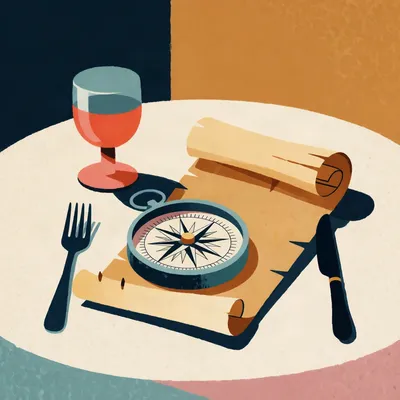
#6439: Choosing Dream Dinners to Attack Your Own Method
A good dinner guest isn't someone who validates your habits, but a historical foil like Pliny the Elder or Patton built to challenge them.
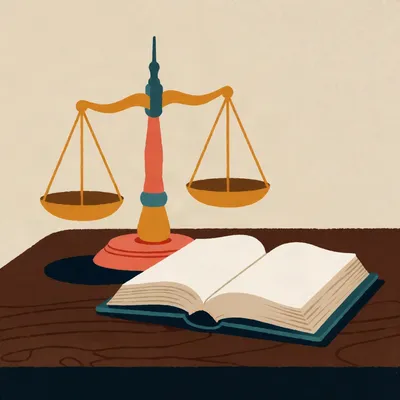
#6250: Why Satisfaction Is Not Enough for a Good Life
Aristotle argues that human flourishing requires exercising rational capacities excellently across a complete life, not just feeling satisfied.

#6249: Why Caused Choices Can Still Count as Free Will
In the 2020 PhilPapers Survey, over 62 percent of professional philosophers endorsed or leaned toward compatibilism between free will and determinism.

#6248: Why Death Might Harm Us Without Hurting
Thomas Nagel's deprivation account argues death harms us not through bad sensations, but by cutting off future goods we could have experienced.

#6247: Why Meaning Is Neither Pure Feeling nor Plain Duty
Studies show people identifying as givers report higher life meaning than takers, but distinctly less moment-to-moment happiness.

#6246: Why Is There Something Rather Than Nothing?
Peter van Inwagen argued an empty world has probability zero because there are infinitely many populated possible worlds and only one empty one.

#6155: Acupuncture, Adenosine, and the Sham Needle Problem
Acupuncture beats sham by about a fifth of a standard deviation. So what is the sham actually subtracting?

#5993: Why Every Renovation Show Looks the Same
Shiplap, white quartz, open plan — why does every renovation show produce the identical room, and who's really choosing it?

#5987: The LEGO Cam: When LEGO Gave Kids a Movie Studio
It won Toy of the Year and flopped anyway. The LEGO Studios set that handed kids a camera, an editing suite, and a dinosaur.
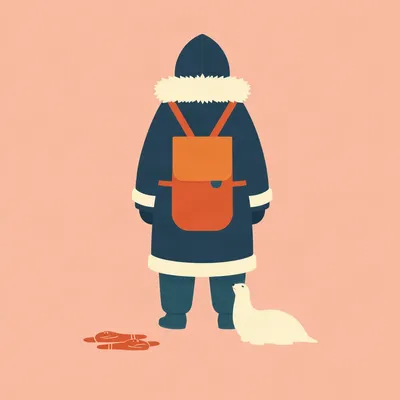
#5976: What North of North Assumes You Know About Inuit
A crash course in Inuit history, language, and modern life — the context the show assumes you already have.

#5951: The Reasonable Person Is a Legal Fiction
Courts say they judge you by a neutral "reasonable person." Who decides what that person would do — and whose average is it?
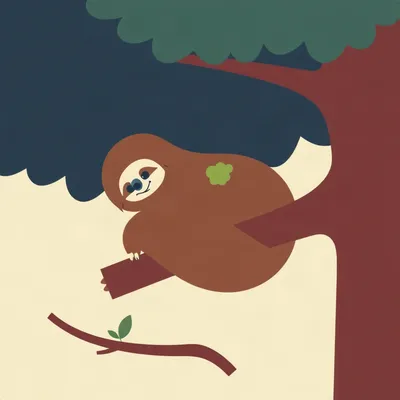
#5877: A Sloth Diagnoses Human Civilization
One hundred thirty armed conflicts, a $100 barrel of oil, and a sloth on a branch in Jerusalem asking whether this is collapse or just another chap...

#5778: How J.K. Rowling Builds Characters That Last
Two notebooks, color-coded spreadsheets, and a pseudonym: how J.K. Rowling builds characters that outlive their pages.

#5738: Exorcism: 7 Religions, 67 Rites, Zero Records
From the dybbuk to the Rituale Romanum — how seven traditions built rites for possession, and why nobody can count the exorcisms.
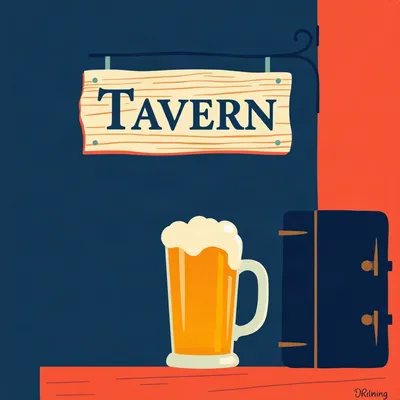
#5663: Did the Puritans Really Hate Fun?
The Puritans banned alcohol? Invented happy hour rules? A look at what they actually did — and the 1781 hoax we still quote.
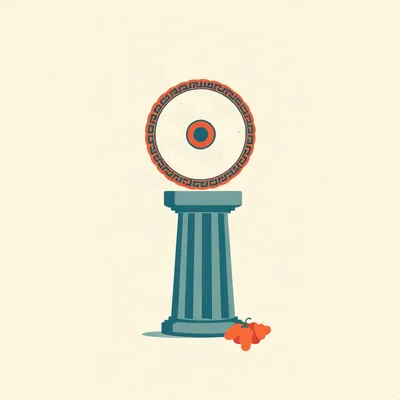
#5640: Asceticism Across Religions, and Why Judaism Pushes Back
The word "asceticism" started as Greek for athletic training. How did it end up on top of a pillar — and why does Judaism push back?
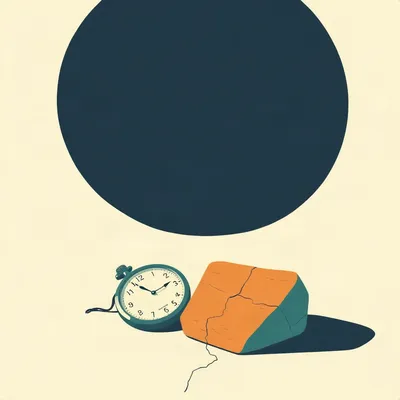
#5638: The Meaning of Life: A 250-Year-Old Question
The phrase "meaning of life" is only ~250 years old — and it arrived exactly when faith started to crack. What religions, philosophers, and everyon...
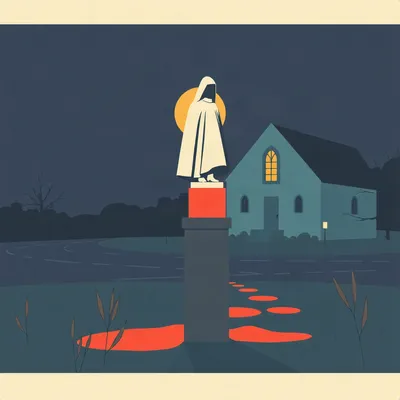
#5627: Knock, Medjugorje, and the Church's Apparition Playbook
295 Marian apparitions studied, only 12 approved. How the Church vets visions—and what happens when it says no.

#5615: Philadelphia, Here I Come: Friel's Split Man on Stage
One actor can't hold Gar O'Donnell — so Brian Friel used two. Inside the 1964 play that split a man in half on stage.

#5588: Anchorites: Dead to the World, at the Center of It
Sealed into a church wall, declared dead to the world — and then consulted by kings. The strange, true story of the anchorite.
#5557: Ten Disastrous Casting Decisions, Ranked
Excellent actors, spectacularly wrong roles — from Dick Van Dyke's cockney to Tom Hanks as a Wall Street snob. Ten mismatches, ranked.

#5554: Five Movies That Defeat First Viewings
Primer, Mulholland Drive, Synecdoche, Inland Empire — five acclaimed films where confusion is the craft, ranked by how hard they are to follow.