
Structural Engineering
66 episodes

#5932: What the 1964 White Paper on the Twin Towers Actually Said
Three pages from 1964 concluded a 707 impact would cause only local damage. Fire was never in the analysis.

#5914: Fire Alarms in 40-Story Towers: What Goes Wrong
How high-rise fire systems work — detection, smoke control, phased evacuation — and why burnt toast sends residents down 28 flights.

#5889: How Pipeline Pigs Actually Work
A bundle of straw that squealed through the pipe gave the industry its weirdest word. Now pigs weigh tons and hunt cracks underground.

#5888: Where Does the Rain Actually Go?
An inch of rain on one acre of pavement is 27,000 gallons. Cities have three ways to get rid of it — and all of them fail on purpose.
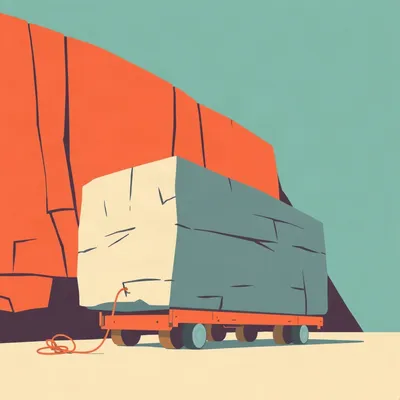
#5822: Building Herod's Wall, One Course at a Time
How 300-tonne limestone blocks became a 488-metre retaining wall — without anyone ever lifting them to the top.
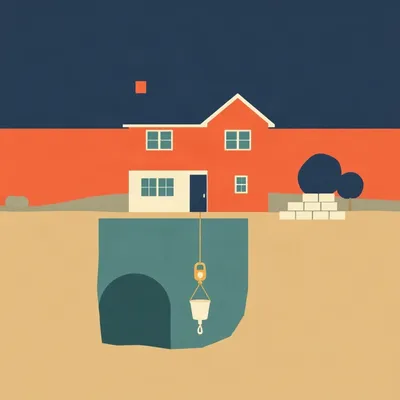
#5779: Tunnel Girl Dug 80 Feet Under Her House
No engineering degree, two books, and ten dead jackhammers. How one woman dug an 80-foot tunnel under her Virginia house — and got it permitted.

#5633: Is Construction Noise Actually Inevitable?
What if the jackhammer isn't the problem? A look at how deep garages, tall towers, and concrete make cities loud.

#5613: Seven Stories Down, Building Stays Up
A historic Jerusalem house is staying put while a seven-story car park is carved out beneath it. Here's how top-down excavation actually works.

#5332: The Real Story Behind Lunch Atop a Skyscraper
That famous photo wasn't the Empire State Building, wasn't a candid moment, and the "fearless Mohawk" legend is false. Here's what really happened.

#5331: Steeplejacks, Linemen, and Tower Climbers
Three jobs that look like pure nerve — steeplejacks, helicopter linemen, tower climbers — and what they're actually doing up there.

#5120: Why Ground Rumble Ignores Your Acoustic Windows
Acoustic windows can't stop low-frequency rumble traveling through soil. Can wave barriers or base isolation actually work between city buildings?
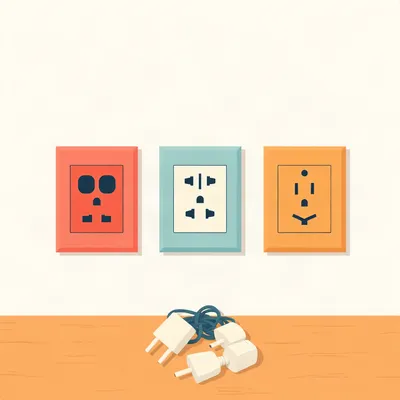
#5059: Israel's Unique Plug Problem: Standards, Cost, and Identity
Why does Israel have its own electrical plug no other country uses? The story of the Standards Institution of Israel reveals a nation-building lega...

#4866: How Aircraft and Skyscrapers Survive Lightning Strikes
How do planes and buildings take million-volt hits and keep working? The engineering is surprisingly different.
#4802: Signs That Survive: Wind, Ice & Jet Wings
How highway gantries, airport taxiway signs, and Arctic markers are engineered to survive wind, ice, and impact.

#4583: Structural Stone: The Building Material That Lasts 500 Years
Stone buildings outlast concrete by centuries — and engineers are bringing it back with post-tensioning and CNC cutting.

#4561: Why Concrete Crumples: Tension vs. Compression
Why does a material that holds skyscrapers crumble when hung? A beginner's guide to seeing the built world differently.

#4508: How Concrete Conquered Stone
Roman concrete self-healed for 2,000 years. So why did stone lose out?
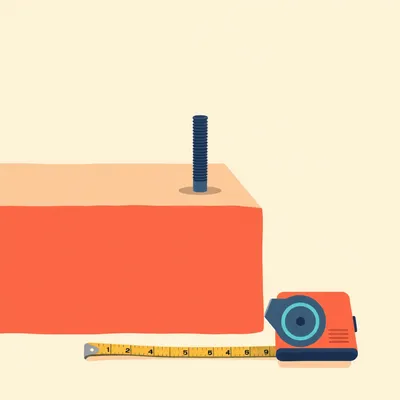
#4328: Concrete Anchors & Post-Tensioning Risks in Israel
When hanging heavy loads on reinforced concrete, wrong anchors can cause structural failure. Here's what to stock vs. leave to pros.

#4236: What Actually Changes at 300 and 600 Meters
The three engineering thresholds that separate ordinary high-rises from supertalls and megatalls — and why you can't just scale up.

#4113: When Do Sprinklers Become Mandatory?
How specific disasters created the code changes that now require sprinklers in tall buildings.

#4103: Tall vs Short: Which Floor Survives an Earthquake?
Why your intuition about building height during a quake is probably wrong — and what Israeli seismic codes actually require.
#4012: How Rock Breakers Beat Your Windows
Why standard double-glazing fails against construction noise and what actually works.

#3985: How Your Floor Stays Up: The Hidden Skeleton Inside Every Building
The invisible chain that carries every pound from your apartment to the bedrock.

#3978: What's Actually Under the Road You Drive On
A highway looks simple, but it's a precision-layered structure engineered to last 30 years under millions of truck loads.