
Data Storage
159 episodes · Page 3 of 7

#4080: How Resumable Uploads Actually Work
What happens when your file transfer fails at 92% — and the app just picks up where it left off.

#4068: How to Build a Go Image Pipeline for Your Inventory App
Stop treating your inventory app like a photo dump. Here's how to build a smart image pipeline in Go.

#4052: From Phone Number to Identity Map
How a single phone number becomes a map of someone's digital life through graph-based OSINT techniques.

#3883: Inside OPNsense Tunables: Kernel Variables Explained
What OPNsense tunables actually do, how they work under the hood, and when to touch them.

#3807: Why Cloud Servers Cluster in Only a Dozen Cities
Submarine cables, carrier hotels, and network effects concentrate cloud infrastructure in just 15-20 metro areas worldwide.
#3803: Can You Touch Your Cloud?
Boutique cloud operators let you visit your rack. Here’s how dedicated hosting works in 2026.
#3795: The Fifteen-Cent Screw That Stops Server Builds
A seized M.2 screw, a missing heat sink, and why inventory blind spots cost more than any technical skill.
#3790: Server Distro Showdown: BTRFS, ZFS & Pragmatic Picks
Why filesystem support often picks your distro — and what "support" actually means in practice.

#3789: What Virtualization Actually Costs on 2026 Hardware
Real benchmarks show 2-6% overhead for single-VM setups. Here's what's actually happening at the CPU level.
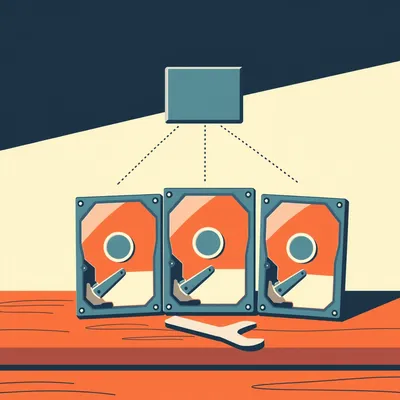
#3788: RAID Reshaping Showdown: BTRFS vs ZFS vs XFS
Can you change RAID levels without nuking your data? We compare BTRFS, ZFS, and XFS for home server upgrades.
#3787: Proxmox vs Stock Linux for Home Servers
When rebuilding a home server, should you install Proxmox or just use stock Linux with KVM? We break down the tradeoffs.
#3786: When Your DNS Dies: Home Network Failure Cascade
One dead server, ZFS corruption, and a DNS collapse that takes down everything—including your ability to fix it.
#3782: Ezra the Scribe vs. Hardware Failure
What ancient text preservation teaches us about modern backup strategies that hardware redundancy can’t fix.
#3781: Peer-to-Peer Backup: Brilliant or Overcomplicated?
Can a blockchain-inspired network replace your backup drive? We explore the promise and hidden pitfalls.
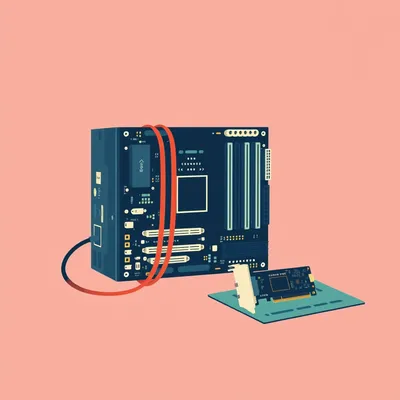
#3776: ZFS Mirroring: Why Your RAID Card Is the Weak Link
A hardware RAID card makes ZFS less safe. Here's why an HBA and a simple mirror are the real upgrade.
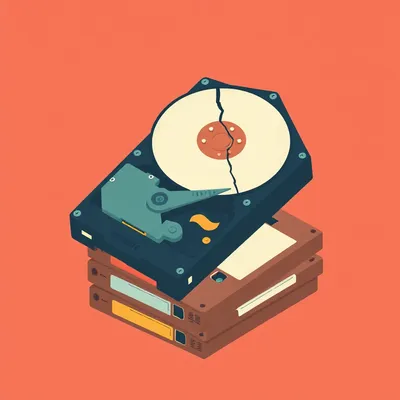
#3748: Your Backup Is Probably Corrupted Right Now
How to catch ZFS pool degradation before your backup faithfully preserves garbage for weeks.

#3747: How to Pick an SSD That Won't Die in Your Home Server
ZFS degradation warnings are scary. Here's what to replace that drive with — and what spec numbers actually matter.

#3737: Dash Cams in Israel: Storage, Battery & Evidence Setup
What dash cam specs actually matter for accident evidence in Israel — storage, battery, and camera setup explained.

#3673: Knowledge Graphs vs SQL: How Custom Relationships Change Retrieval
Why naming relationships (not just connecting data) transforms how you retrieve information.
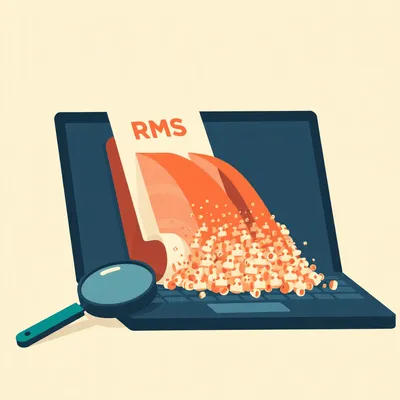
#3667: When Your Podcast Outgrows Its Feed
3,700 episodes. 68 days of audio. One RSS feed designed for 10 blog posts. Can podcast infrastructure handle this?
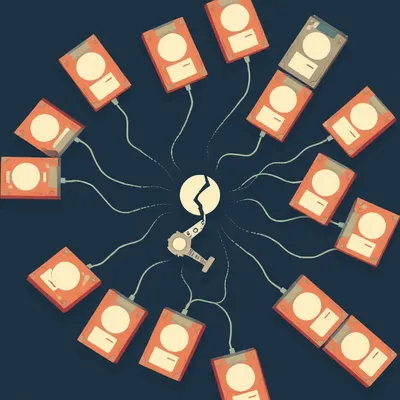
#3431: How YouTube Stores 500 Hours of Video Every Minute
YouTube's videos are shredded, replicated across global servers, and stored at a cost approaching zero. Here's how.
#3399: Why Mail a Disc to Your In-Law?
Cloud backups are durable. Physical backups give you sovereignty. Here’s why both matter — and how M-Disc fits in.

#3223: Handcuffed to a Petabyte: Urgent Physical Data Transfer
When data moves faster by plane than fiber, couriers handcuff petabytes in reinforced cases across oceans.
#3222: How Petabytes Move at Light Speed
From 40 gig to 3.2 terabit—the hidden infrastructure moving science data at unimaginable speeds.