
Stress and Trauma
270 episodes · Page 2 of 12
#5598: When "You Look Great" Means "I'm Drowning
Masking isn't wellness — it's adaptation under pressure. Why the most put-together people are often the ones nobody thinks to check on.
#5593: Faulty Extrapolation: When One Person Rewires How You See Everyone
A listener's question about a chronically hostile person reveals how one worldview can quietly become your own — and how to get your faith in peopl...
#5592: Two Firewalls, One Relationship: Healing While the Threat Continues
What happens when trauma recovery assumes the danger is over — but one relationship still requires the armor?
#5591: Chronic PTSD: The Diagnosis That Doesn't Exist
Chronic PTSD isn't in the DSM. Complex PTSD is in the ICD-11. Continuous traumatic stress is in neither. What happens to patients in between?
#5585: The Lighthouse Keeper and the Serbian Cabin
A YouTube video from rural Serbia broke one listener's whole model of what a hermit is. Turns out the anchorite image is a thousand years out of date.
#5584: What Happens When Isolation Isn't Chosen
Chosen solitude and forced isolation damage the body differently — and the science shows the damage isn't a one-way door.
#5578: Resilience Isn't a Muscle — What the Research Actually Shows
Two-thirds of people bounce back from major trauma by default. So why does "build resilience like a muscle" miss the point?
#5551: Why Learning Makes Us Happier at Any Age
The credential isn't what makes learning feel good — choosing it is. What the research says about self-directed learning, aging, and hard times.
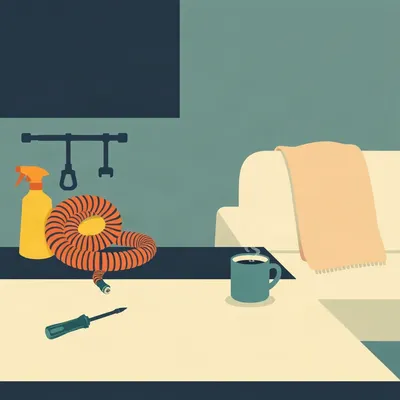
#5542: Why Parenting Exhaustion Doesn't Reset Overnight
Small tasks, big depletion: why the parental to-do list never clocks out, and how micro-breaks can help when a full day off isn't coming.
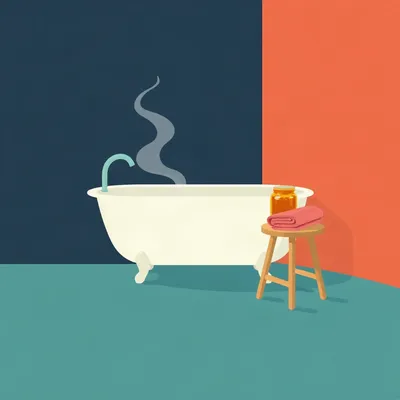
#5470: What a Hot Bath Actually Does for You
A friend's "you're stewing in your own dirt" comment ruined baths for Daniel for years. Here's what the research actually says.
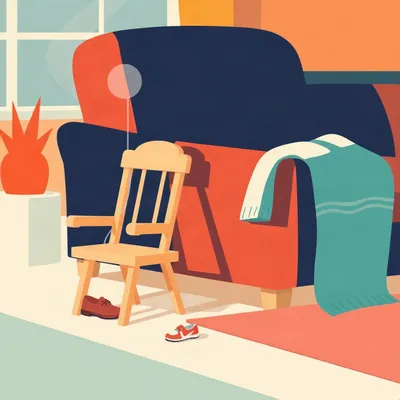
#5448: Toddler Mom-Clings After Daycare: What's Normal?
A 15-month-old suddenly wants only mom. Here's what attachment science says about daycare, clinginess, and whether dad can break in.
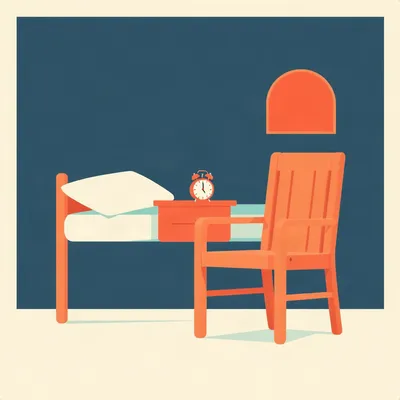
#5432: What Hospice Workers See at the Deathbed
A UK survey found 97% of palliative care staff witnessed deathbed phenomena. What they see — and why 92% never makes it into the chart.

#5428: Wills, Superstition, and the One Event With 100% Probability
Daniel is a prepper who's terrified of writing a will. Turns out the law, the psychology, and the Israeli defaults all agree he shouldn't be.
#5370: The Spotlight Effect and the Heckler's Playbook
Why a waiting room feels scarier than a stage — and how performers handle hostile crowds without losing the room.
#5369: Pouch Full of Doubt: The Inner Critic at Urgent Care
A tool belt full of emergency supplies, two curious strangers, and the question: is your weird choice yours, or an echo of old ridicule?
#5368: When Both Parents Get Sick and No One Can Help
Two caregivers, no family nearby, and a stomach bug. What actually happens when the backup plan doesn't exist.
#5304: The Skill of Expecting Less (But Not the Worst)
Realists beat optimists and pessimists on long-term well-being. Here's what the research says about keeping expectations accurate.

#5284: ADHD Meds, Border Rules, and Thank-You Gifts
Why is it so hard for adults with ADHD to fill a stimulant prescription — and is a thank-you gift to the pharmacist ethical?
#5269: Why 4 A.M. Wake-Ups Hit Different
A listener asks why 4 a.m. wake-ups feel so much worse than 1 a.m. — and what the insomnia science actually says to do about it.

#5201: Can You Gray Rock Without Losing Yourself?
Gray rocking protects you from a toxic person — but does practicing guardedness bleed into the rest of your life?

#5200: Gray Rocking vs. the Info Diet: What to Actually Share
Gray rocking gets the attention, but the info diet — quietly censoring what you disclose — may be the sharper survival tool.
#5195: When Real Danger Silences Phobias
A year of war and housing crisis erased his cockroach phobia. The science says that's not as strange as it sounds.

#5192: Why Flying Fear Starts in Your Late Twenties
Sudden fear of flying in adulthood is common — and it's usually not about the plane at all. What the research says, and what actually helps.
#5155: Why 3 Days Away Feels Like 3 Weeks
Why a weekend away can restore you more than two weeks with relatives — the psychology of novelty, detachment, and time.