
Sleep and Circadian Rhythm
114 episodes · Page 3 of 5
#3027: Why You Wake at 3 AM and Can't Get Back to Sleep
60% of chronic insomnia cases involve waking up mid-night. Here's what's different in your brain and what actually works.
#2960: Small Camera vs Phone for Baby Videos
Can any compact camera beat a phone for capturing newborn moments in low light? We break down the options.
#2912: Why SSRIs Can Make You Drenched at 3 AM
SSRIs can wreck your body's thermostat. Here's the neuropharmacology behind night sweats and what you can do.
#2906: How Much Bone Do You Actually Get From Palatal Expansion?
A landmark RCT reveals that only 23-32% of screw activation actually separates bone — the rest is dental tipping.
#2816: Do You Need a Window to Be Happy?
Natural light isn't just nice — your brain has a dedicated biological pathway for it. Here's what happens when you take that away.
#2738: Why Can't Humans Sleep 24 Hours Straight?
Even when exhausted, your body won't let you sleep past 12-13 hours. Here's the biology behind the hard cap.

#2719: How Streetlight-Level Light Disrupts Mammal Immunity
Even minimal artificial light at night—equivalent to street lighting—disrupts immune rhythms and increases mortality 2.35x in wild mammals.
#2710: Is Sunlight a Vitamin or a Hormone?
Why calling vitamin D a "vitamin" is a historical accident—and what sunlight does that supplements can't.
#2708: Why Histamine Keeps You Awake and Makes You Sneeze
How one molecule runs both your allergy symptoms and your brain’s wakefulness system.
#2706: Can Anyone Learn to Lucid Dream?
Lucid dreaming is real and trainable, but biology and technique both matter more than the Reddit community admits.
#2701: Why Drugs Give You Vivid Nightmares
SSRIs, beta-blockers, and melatonin: how medications hijack the brain's dream machinery.
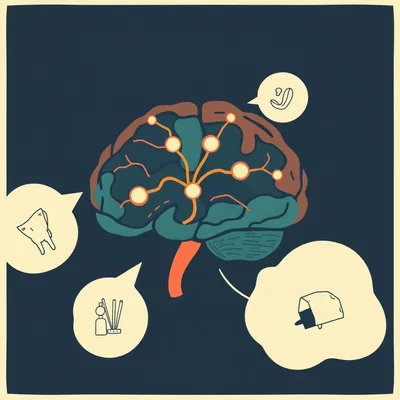
#2700: What Your Brain Actually Does When You Daydream
Daydreaming isn't your brain slacking off — it's running a flight simulator for your life.
#2663: When Opposing Drugs Cooperate
Two opposing drugs collide in your system. Do they cancel out or work together?
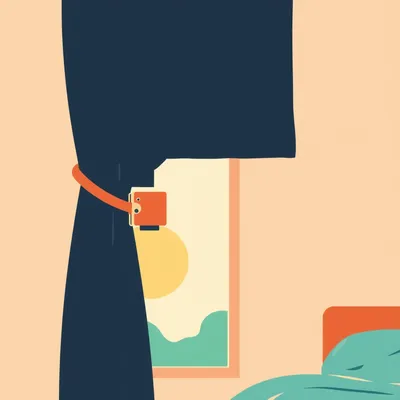
#2626: The Trust Problem in Bedroom Automation
Smart glass vs smart curtains for circadian health — what works in a rental bedroom without owning the walls?
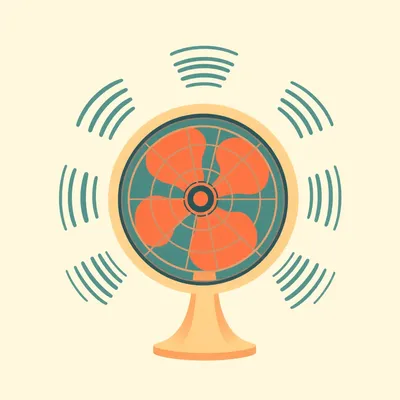
#2625: White Noise vs Pink vs Brown: What Actually Works
What makes mechanical sound machines like the Dohm different from digital ones — and which noise color actually helps you sleep?
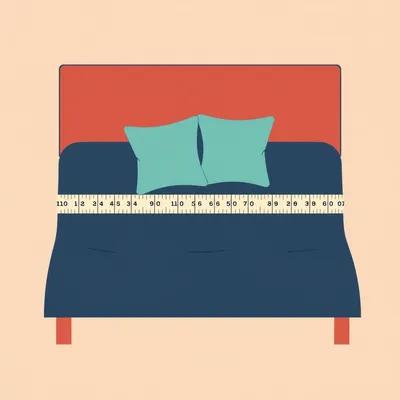
#2623: How Much Bed Space Do You Actually Need to Sleep Well?
140cm bed for two? Research shows a 62% reduction in sleep disturbances just from having adequate space.
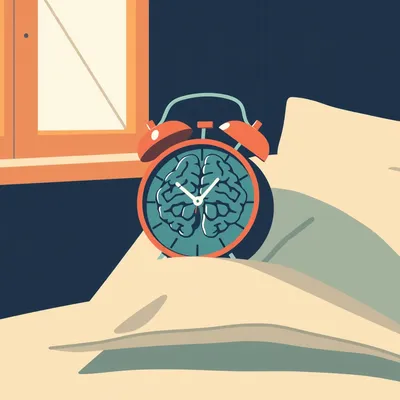
#2619: The Sleep Doctor Shortage
Night owls vs. clinical disorder—what sleep medicine actually says about delayed sleep-wake phase.
#2600: Circadian Lighting Gradients in Home Assistant
How to build a smooth, override-friendly circadian lighting system using Adaptive Lighting in Home Assistant.
#2589: Can You Actually See a Sleep Specialist?
Sleep medicine is real but hard to access. Here’s how the system works and what actually helps.
#2584: Why ADHD Meds Feel Cleaner Than Coffee
The neurochemical difference between caffeine and prescription ADHD drugs isn't about strength — it's about mechanism.
#2533: Can Ibogaine Really Reset Addiction?
A deep dive into ibogaine's anti-addictive potential, cardiac risks, and the push for FDA-approved analogs.
#2529: Depression Subtypes: Is It Cognitive or Biological?
Not all depression is the same. Here's what science says about melancholic, atypical, and biotype-based subtypes.
#2528: How New Drugs Actually Fix Your Body Clock
Melatonin receptor agonists vs. sedatives — the science of fixing your clock instead of knocking it out.
#2484: The Alcohol-Depression Paradox: A Neurochemical Bridge
Why depressants worsen depression through rebound effects, not direct action — the real mechanism explained.