
Multi Agent Systems
267 episodes · Page 3 of 12

#4757: AI Agents Need a New Identity Model
How composite identity and short-lived credentials replace API keys for autonomous AI agents.

#4703: MCP Binary Payloads: Why URLs Beat Base64
MCP can't carry raw bytes. Here's why the URL pattern is the only legal move—and what the File Uploads Working Group might change.

#4699: The Hidden Engine: What Makes Claude Code Tick
Is it the model or the harness? We break down the invisible scaffolding that turns LLMs into real agents.

#4691: The Machine Lane: When AI Agents Call Your Business
What if your business phone menu had a button for AI callers? The search for who's building it — and why nobody has.
#4685: GitHub vs AWS: Agentic AI Cert Showdown
GH-600 vs AWS's AI ladder — which curriculum teaches transferable skills, and which is just product training?
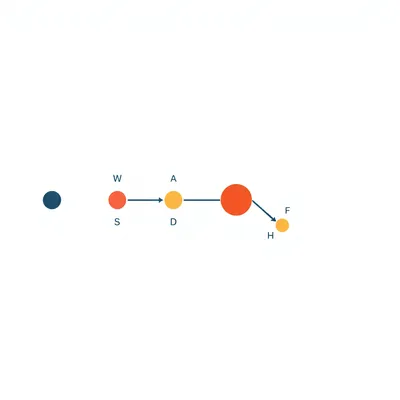
#4683: Parallel vs Sequential Agent Loops: The Real Tradeoffs
When should AI agents run in parallel vs sequential chains? The dependency graph isn't enough — join costs and error handling matter more.

#4682: When Context Windows Grow: What Survives?
If context windows jump to 10M tokens, which AI engineering practices survive? We separate load-bearing architecture from temporary scaffolding.
#4681: Loops vs Workflows: Defining AI's New Unit of Work
What makes a Claude Code loop different from a prompt or workflow? We pin down the actual definition—and who owns the off switch.

#4668: Why Podcast AI Voices Sound Too Perfect
We dig into why AI podcast voices sound too clean—and how TTS is learning to stumble, overlap, and interrupt convincingly.

#4604: When Sub-Agents Overwhelm the Orchestrator
Daniel's inventory system hit a wall when parallel sub-agents flooded the orchestrator's context window. We break down the math and the fix.

#4584: Directing Context Loss: Smart Compaction Prompts
Learn how to steer Claude Code's context compaction with targeted instructions — turning a lossy default into a directed operation.

#4570: One Negative Prompt Beat a Dozen Positives — Here's Why
Why one blunt "don't" outperformed a dozen careful "do's" — and how to structure your system prompts for maximum compliance.

#4522: The Sixth Shim: When MCP Becomes a Middleware Factory
Six servers, six shims, no architecture. A taxonomy of MCP integration pain.
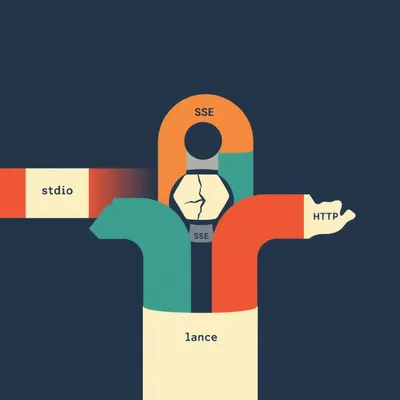
#4521: MCP Transport Architecture in 2026: Gateway Design
Three transports, one gateway. How to bridge stdio, legacy SSE, and streamable HTTP in production.

#4469: The Missing Protocol for AI Software Development
No one has built a software development protocol designed for AI agents. Here's what that would require.
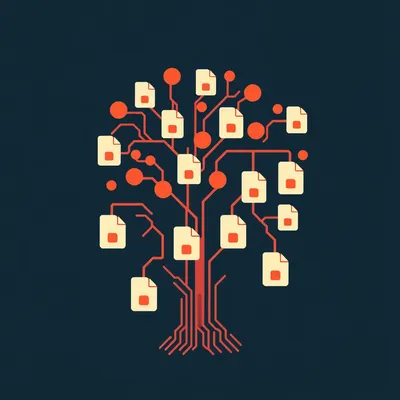
#4457: OpenViking: A Filesystem for AI Agent Memory
OpenViking unifies memory, RAG, and skills into a browsable filesystem for AI agents — no vector database abstraction needed.

#4448: The MK Claude Project: AI That Writes Political Manifestos
One citizen built a multi-agent AI to research, stress-test, and synthesize policy positions. The result? A forkable manifesto.

#4445: AI Agents Keep Undoing Each Other's Work
Why AI coding agents silently revert each other's fixes — and three memory strategies that prevent it.

#4444: Testing the Unpredictable: QA for Agentic AI
How QA adapts when your AI system gives different answers to the same question every time.

#4442: When Prompt Enhancers Hallucinate Your Intent
How to build a prompt enhancer that doesn't rewrite your constraints into oblivion.

#4347: Building an AI That Finds Your Blind Spots
Can LLMs surface the chain reactions you never see? A four-agent system for proactive preparedness.
#4314: The Hidden Layer Shaping Every AI Chat
Context windows are huge now, but relevance is the real bottleneck. How middleware decides what your AI actually sees.

#4170: Obfuscation as Risk Management with AI
How AI can protect whistleblowers and trauma survivors by intelligently obscuring identities while preserving story integrity.

#4094: One Mind or Two? AI Podcast Dialogue Showdown
Can two AI agents create better podcast banter than one? We explore the tradeoffs.