
Home Network
211 episodes · Page 2 of 9
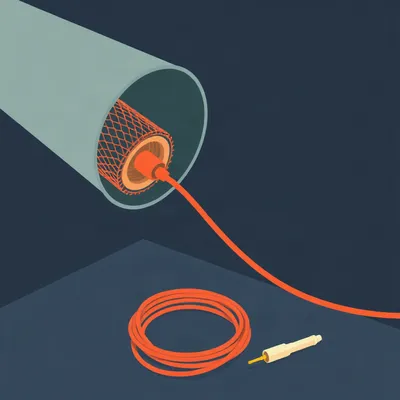
#5665: Fiber Through the Conduit: Bends, Dust, and Pull Socks
A failed Ethernet crimp caps a link at 100 megabit. Can the same conduit carry 10GBASE-SR fiber instead?
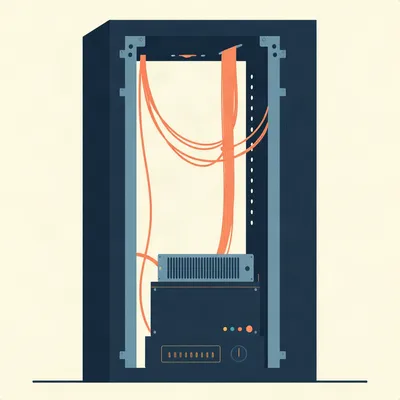
#5664: Rack Dreams: Getting Display and USB Across the Room
Display over fiber is the easy part. USB is where it gets annoying — and the single-UPS dream doesn't quite close.

#5553: When 52 Volts Meets a 12-Volt Modem
A fried fiber modem raises the real question: where do you draw the line between preparedness and "done enough"?
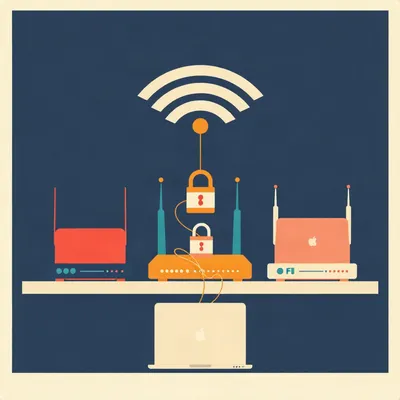
#5544: Open Source Wi-Fi Controllers: Why Mixing AP Vendors Is So Hard
OpenWISP, OpenSOHO, DAWN, TIP OpenWiFi, FreeSDN — six real projects, one shared wall: closed firmware.
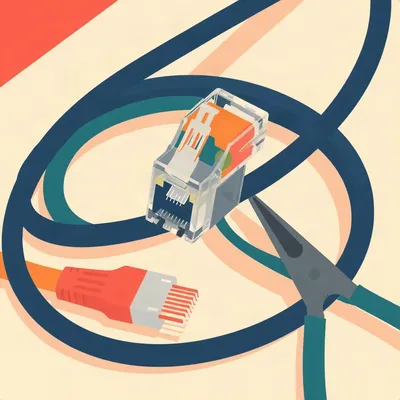
#5541: Re-terminating a Keystone Jack After a Bad Ethernet Run
A DIY Ethernet run came up at 80 Mbps on 2.5G fiber. Here's what went wrong and whether re-termination is a skill worth learning.
#5522: Building a Podcast Backup Appliance
One listener wants a single-purpose box that pulls every episode to local storage he controls. Turns out the software exists — the packaging doesn't.
#5484: When Governments Own the Pipes: Telecom's Open-Access Model
Could the state own all telecom infrastructure while private companies compete on top? New Zealand and Stockholm already tried it.
#5477: Who Owns the Antennas? Israel's MVNO Puzzle
Israel's virtual operators won't tell you whose towers they ride. Turns out your phone already knows — if you read the right signals.

#5457: Pigeon Alerts on a Repurposed i5: Frigate Without the TPU
Daniel wants a pigeon notification, not a custom model. Frigate already ships with bird detection — the real work is masks, zones, and filters.

#5378: SIP Speakers, Multicast, and the One-Way Page
How SIP one-way paging actually works — and why multicast turns 500 speakers into a single call.
#5281: Why Your Cheap Phone Plan Feels Broken
Same phone, same spot, same 5G bars — so why does a cheap carrier crawl? It's not the signal.
#5250: Building a Shortwave Monitoring Stack on Linux
What it actually takes to scan, capture, and crowdsource HF radio from a Linux box — and where automation hits a wall.
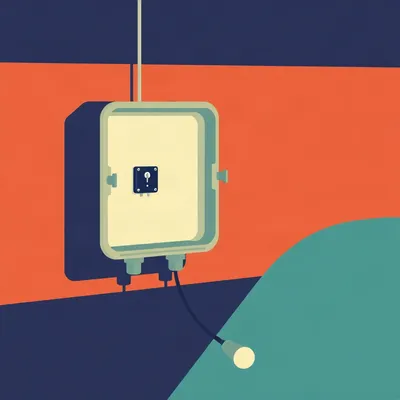
#5235: Wiring Smart Patio Lights Through Home Assistant
Picking a Zigbee RGB controller is the easy part — sizing the power supply and keeping mains water out is where patio lighting projects live or die.
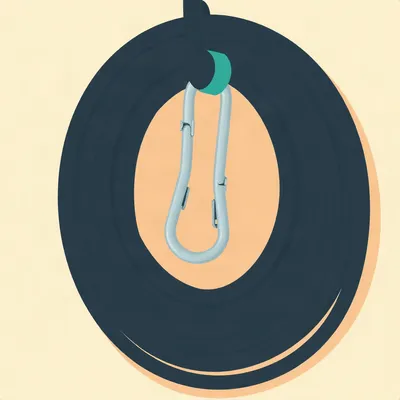
#5110: Carabiner Load Ratings: What Can They Really Hold?
Carabiners are stronger than you think—but the real risk isn't the hook breaking. We break down load ratings, gate design, and trust.
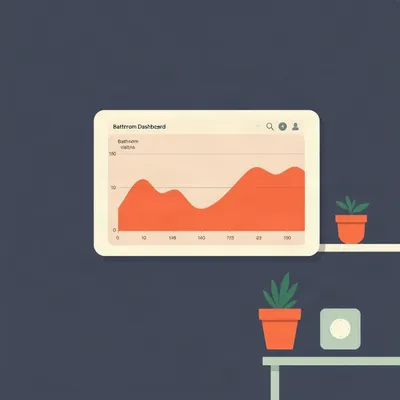
#5033: The Greatest Dumbest Home Assistant Automations
Doorbell goal horns, toilet dashboards, and a lamp that dims on guests. The ten most gloriously unnecessary smart home automations, ranked.

#4975: Testing Hong Kong's Romantic Image Against Reality
Is the cinematic Hong Kong still there? We separate fantasy from fact, politics from redevelopment.
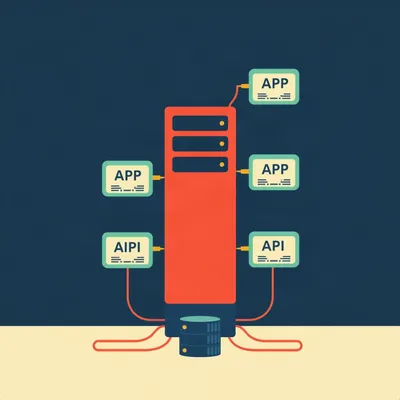
#4973: Building a Pure AI Inference Server
Why your "AI server" should look more like a database than a web app, and how to actually build one.

#4954: What Actually Starts House Fires — The Data
Cooking causes 49% of home fires. But heating and electrical are the real killers. Here's why.

#4793: Fibre Isn't a Trick — It's the Thing the Trick Was Trying to Approximate
The glass in the ground is already 40 years old — and it's barely breaking a sweat.
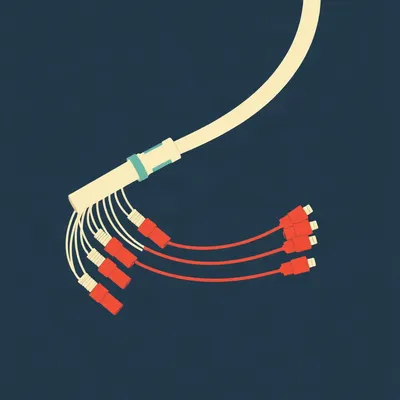
#4790: Why Your Internet Speed Is Really a Shared Cap
The speed on your bill isn't what you think. Here's how ISPs really meter your connection.
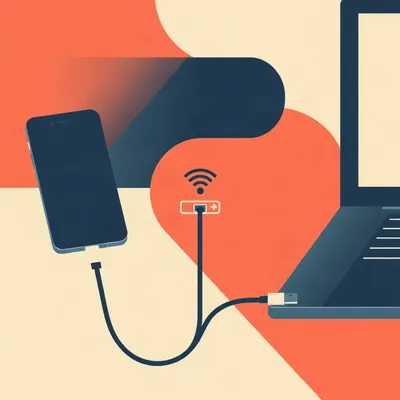
#4785: Bonding Wi-Fi and Cellular: Speedify's Catch for Tailscale Users
Speedify bonds Wi-Fi and cellular seamlessly — until it silently breaks your tailnet. Here's the fix.

#4784: Host vs Router: The Real USB Bonding Trade-Off
Can you skip the travel router and bond cellular + Wi-Fi directly on your Linux laptop? We test the hardware reality.
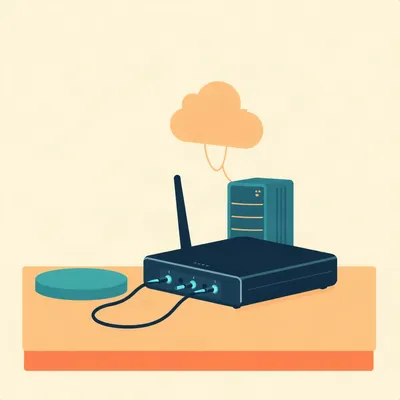
#4783: Bonding Layer Showdown: Speedify vs Self-Hosted
Packet-level bonding for travel routers: Speedify's black box vs. self-hosted control. Which wins for a technically capable user?
#4782: The Best Internet Bonding for Your Money
Speedify, Bondix, or DIY? A buyer's map for combining internet connections without the mystery box.