Inside the Brain: A Listener's Guide to Psychiatry and Mental Health Science
The science of the mind is one of the youngest branches of medicine — and one of the most contested. Unlike other medical fields where biological mechanisms are often well-established, psychiatry has spent most of its history treating symptoms it couldn’t fully explain, with tools it didn’t fully understand. Corn and Herman have returned to this territory repeatedly, building up a serious body of episodes that cover the history, the neuroscience, and the practical implications. This guide assembles them in a logical arc.
Where Psychiatry Came From
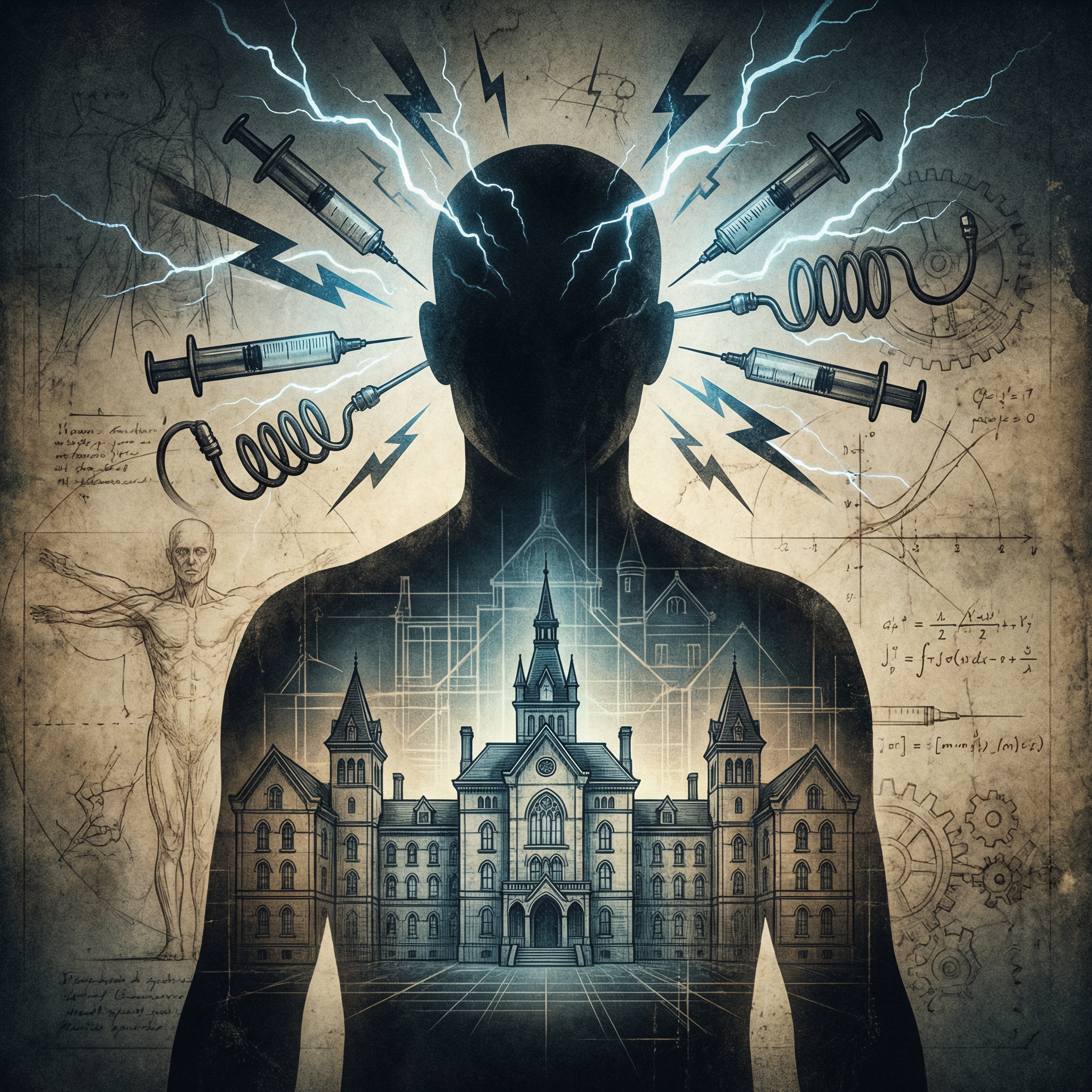
- Before the Pill: The Brutal History of Psychiatry is the place to start. Before antidepressants existed, psychiatric treatment was a catalogue of desperation: insulin coma therapy, prolonged narcosis, frontal lobotomies, and years of institutional confinement. The episode examined why these interventions were pursued so aggressively despite thin evidence, and what it says about a medical field that was attempting to treat conditions it couldn’t observe or measure. The history isn’t just grim — it’s the context that makes the modern era comprehensible.
The Depression Treatment Landscape
-
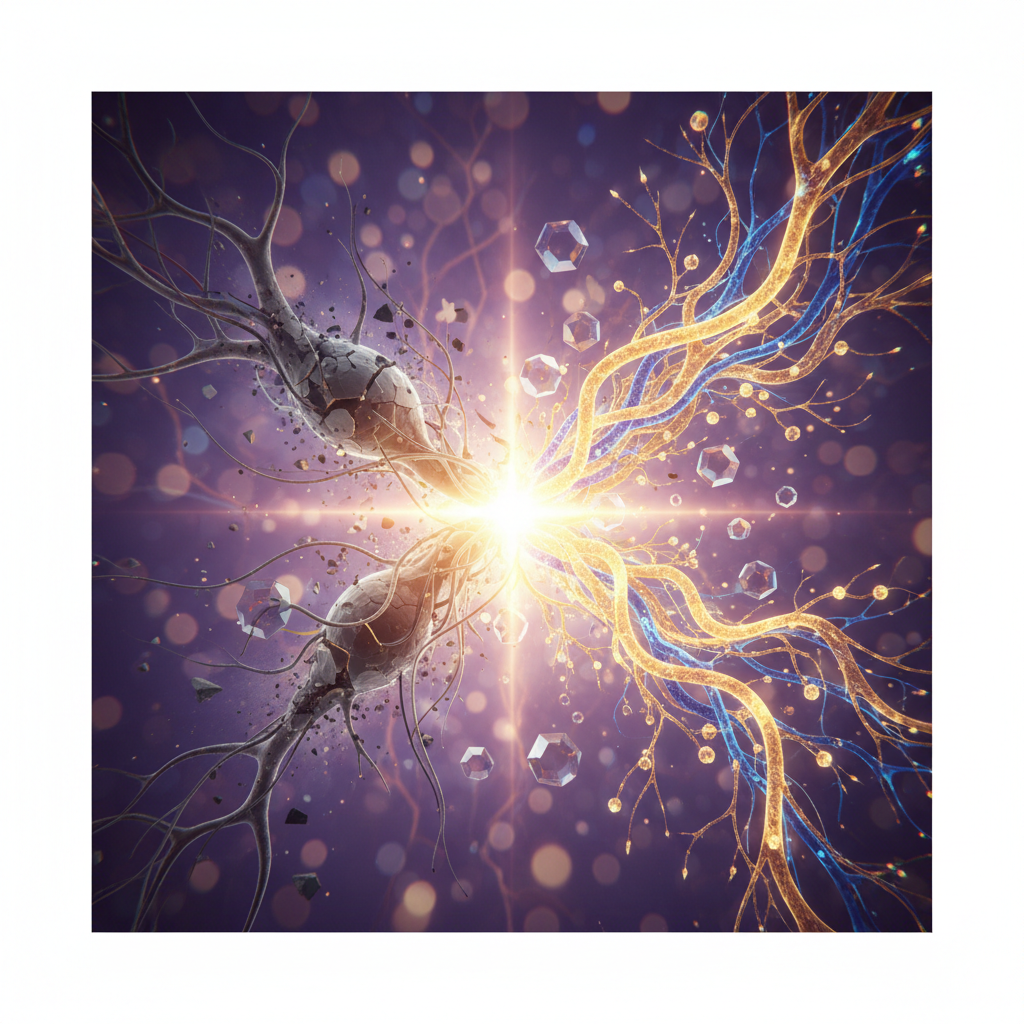
From Prozac to Plasticity: The New Science of Depression challenged the story most people have been told about how antidepressants work. The “chemical imbalance” theory — serotonin is low, SSRIs raise it, depression lifts — turns out to be an oversimplification that the research never fully supported. The episode covered the neuroplasticity model that has replaced it: the idea that depression is better understood as a failure of neural circuit flexibility, and that effective treatments work by restoring the brain’s capacity to change.
-
Why Antidepressants Take Weeks to Work: The Science of Lag followed up on exactly the puzzle the neuroplasticity model solves. SSRIs change brain chemistry within hours of the first dose, yet clinical improvement typically takes two to six weeks. If the mechanism were simply “raise serotonin,” the response would be immediate. The episode explained how the delayed effect is actually evidence for the neuroplasticity hypothesis — what’s being built is structural, not just chemical.
-
Beyond SSRIs: The Quest for Triple Reuptake Inhibitors looked at where the pharmacology is heading. Current antidepressants target one or two neurotransmitter systems; the next generation of drugs aims to simultaneously modulate serotonin, norepinephrine, and dopamine — a profile that could address the overlap between depression and ADHD that many patients experience. The episode traced the technical challenges of developing these compounds and why the field is betting on them.
When Medication Isn’t Enough
- Rebooting the Brain: The Science of ECT and TMS examined the two most significant non-pharmacological interventions for treatment-resistant depression. Electroconvulsive therapy has a decades-long reputation problem rooted in its early, poorly controlled applications — but modern ECT with anesthesia and careful titration has an effectiveness profile that embarrasses most medications for severe depression. Transcranial magnetic stimulation is newer, more targeted, and free of the stigma, but less powerful. The episode provided the evidence basis for both and explained the clinical contexts where each is appropriate.
Other Major Conditions
-
Beyond the Stigma: The New Science of Schizophrenia dismantled the media caricature of schizophrenia and replaced it with the actual research. The episode introduced the “urbanicity effect” — the finding that rates of schizophrenia are significantly higher in cities than in rural areas, with a dose-response relationship based on population density and years of urban exposure. The hosts covered current pharmacological approaches, the limitations of existing antipsychotics, and the emerging research directions that are producing treatments with fewer debilitating side effects.
-
Beyond the Mood: The Science of Personality Disorders addressed a category of mental illness that is frequently misunderstood and misdiagnosed. Personality disorders aren’t mood states that come and go — they’re enduring patterns of perception, behavior, and interpersonal relating that are consistent across contexts and over time. The episode covered the diagnostic framework, the developmental research on how personality disorders emerge, and why they’re harder to treat pharmacologically than mood disorders.
Trauma, Therapy, and the Broader Toolkit
-
Rewiring the Traumatized Brain: The Science of EMDR examined Eye Movement Desensitization and Reprocessing — a therapeutic technique that has accumulated substantial clinical evidence despite remaining controversial and somewhat mysterious even among its practitioners. The hosts traced what the research says it does, what the competing theories about its mechanism are, and how it fits into the broader evidence base for treating trauma from childhood adversity.
-
The Long Tail of Therapy: Moving Beyond the CBT Gold Standard challenged the dominance of Cognitive Behavioral Therapy as the default evidence-based treatment for almost everything. CBT has the most research behind it largely because it’s the most studied, not necessarily because it’s the most effective for every patient and condition. The episode catalogued the growing evidence base for Internal Family Systems, Acceptance and Commitment Therapy, somatic approaches, and other modalities that address dimensions of suffering CBT often misses.
-
Overcoming Cynophobia: Rewiring a Lifetime of Fear took the neuroscience of phobia treatment out of the abstract and into the personal. A listener asked whether a thirty-year fear of dogs could realistically be addressed — and the episode answered through the lens of exposure therapy, fear memory reconsolidation, and what the brain science of long-term fear extinction actually predicts. The answer is more optimistic than most people assume.
The Edges of Consciousness
- Beyond the Brain: The Science of Deathbed Connections ventured into the territory where neuroscience meets unanswered questions. The episode examined “crisis apparitions” — the documented phenomenon where people report sensing or perceiving the death of a distant loved one at the moment of death, before receiving news. The hosts applied the tools of skeptical inquiry without dismissing the experiential reports, examining what the explanatory options are and what each implies about the nature of consciousness.
What connects these episodes isn’t a single theory or ideology — it’s a commitment to replacing mythology with mechanism. The brain is the most complex object in the known universe, and the field that studies what goes wrong in it is still young enough that genuine paradigm shifts are possible within a single generation. These episodes track what we actually know, and why that matters for how we treat suffering.
Episodes in this playlist