
Science and Nature
Natural and formal sciences: physics, chemistry, biology, earth science, and mathematics.

#5191: Marble in the Kitchen: Patina or Damage?
Why Israeli stone suppliers say no to marble countertops and American designers say yes — and what the chemistry actually says.

#5184: AI Is a Number Factory, Not a Wordsmith
Under the prose, every AI model is just matrices of floating-point math. So where does the randomness actually come from?

#5168: Ten Inventors You've Never Heard Of
From the yellow traffic light to the geoid model behind GPS — ten inventors whose quiet work reshaped daily life, and why we forgot them.
#5161: How Statistics Get Misread: A Field Guide
Averages, rates, correlations — the ten categories of statistics most likely to fool a general audience, and why the number is usually right.

#5151: Why Dry Heat Is a Different Animal
Dry heat at 45°C can be survivable while humid 35°C kills. The physics of sweat, the limits of acclimatization, and what Bedouin trackers see in sand.
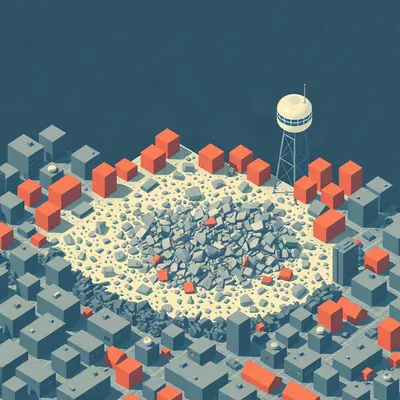
#5149: What 40 Million Tons of Rubble Does to a Landscape
Satellite imagery shows the scale. It doesn't show the eight meters of crushed concrete, the asbestos dust, or the ordnance beneath.
#5128: The 120 Hz Problem: Why Your Window Can't Stop That Jackhammer
A bedroom-shattering 120 Hz tone reveals why low-frequency noise ignores windows, mocks active noise cancellation, and demands real physics.
#5126: The Volunteers Who Let Science Shock Them
Charles Dalziel's volunteers endured muscle-locking shocks to create the safety standards we rely on today. What do we owe them?
#5112: AC vs. DC: What Actually Happens When You Get Shocked?
Voltage isn't what kills you. Current is. Here's what really happens when AC meets the human body.
#5093: What Actually Makes a Toolbox Last?
Plastic vs. metal vs. modular cases — what actually survives drops, sun, and rain?

#5072: Tiny Raised Numbers: Why Embossing Is a Mold, Not a Mark
Why those tiny raised numbers on plastic parts are molded in, not stamped on — and what that means for aftermarket marking.
#5064: What a Polar Station Stocks for a Year of Isolation
The hidden logistics of keeping isolated crews fed, healthy, and sane for months without resupply.
#5060: Engraving Bits Decoded: Geometry, Grade, and Material Match
Cone vs. ball-nose vs. pointed, C2 vs. C4, single vs. multi-flute — what actually matters when engraving with a handheld rotary tool.

#5058: The Hidden World of Standards Beyond ISO
Military specs, proprietary formats, and internal rules — how standards shape everything, and who really writes them.
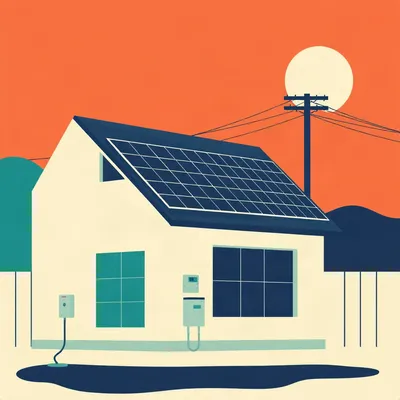
#5057: Solar Self-Consumption: Is the Grid-Free Model Real?
Can solar power your home directly, skipping the grid round trip? Yes — but it requires a hybrid inverter and a battery, plus a regulatory reality ...

#5054: Hardware Clubs for Grownups: Finding Your People
Software is solitary. Hardware is social. Here's how to find or build a space where adults and teens build together.
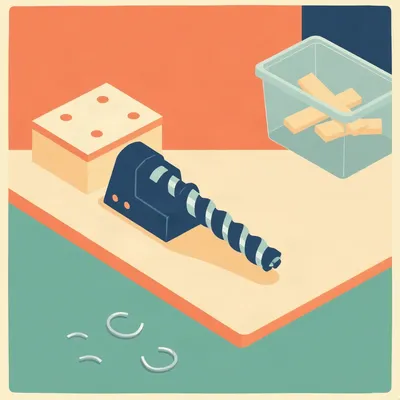
#5052: Drill Bits Explained: Why Concrete Bits Fail on Plastic
Why a concrete bit ruins acrylic, what HSS actually means, and whether drill bit sharpeners are worth it.
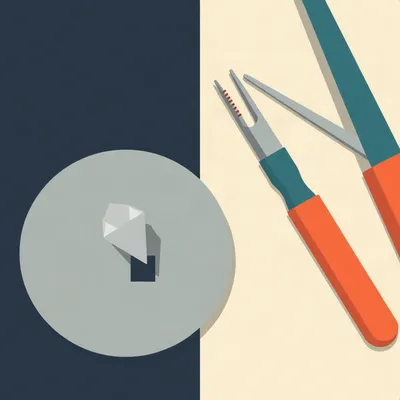
#5050: Engraving Hardened Steel: Carbide Grades & Hardness Tests
How to measure material hardness without destroying your workpiece, and pick the right carbide grade for stainless steel engraving.

#5049: How Deep Does an Engraving Need to Be?
Why engraving outlasts stickers and ink — and what NASA specs reveal about carving for the ages.
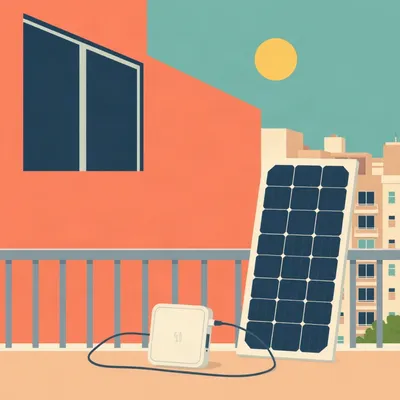
#5047: Balcony Solar in Jerusalem: What's Actually Possible?
Can a rented balcony in one of the sunniest cities on Earth power your gadgets? The physics says yes. The law says maybe.