
DIY and Home Improvement
Hands-on work on the home: repairs, renovation, installing fixtures, tools, workshop technique and materials. Tech DIY (home labs, PC builds, electronics) stays in Computing. An extra channel alongside an episode's main one.
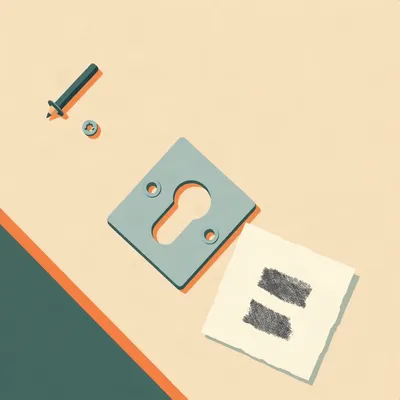
#5780: Why Keyhole Slots Never Line Up
Keyhole slots are on everything and standardized on nothing. Here's why the spacing never matches and which screw actually works.

#5779: Tunnel Girl Dug 80 Feet Under Her House
No engineering degree, two books, and ten dead jackhammers. How one woman dug an 80-foot tunnel under her Virginia house — and got it permitted.

#5761: Why You Shouldn't Dremel Your Antique Silver
A rotary tool removes metal in seconds that took a century to form. Here's what museums do instead — and why shine isn't the goal.
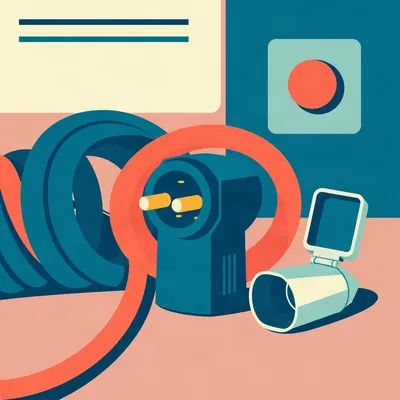
#5756: The Blue Plug That Out-Engineers Your House
The blue 230V IEC 60309 connector is tougher than anything on your wall — but the fuse problem and a BS 7671 quirk complicate the swap.

#5753: Unpacking as a Warehouse Problem: Sorting vs. Tagging
Daniel's move is done but nothing's findable. The fix is a warehouse putaway problem — and his IKEA bag is the slowest possible tool.

#5748: What's Actually Inside an eSIM Adapter
An eSIM adapter isn't a converter — it's a eUICC chip in a SIM shell. Here's the silicon, the certificates, and the open source tools underneath.

#5746: Why Power Tool Cords Are So Short
Nobody regulates that stubby cord — it's container math. And making it longer can actually make your tool more dangerous.

#5745: Why Europlugs Fit Israeli Sockets So Badly
A 2.5-amp plug, a 16-amp socket, and half a millimeter of interference. The physics of a connection that was never meant to hold.
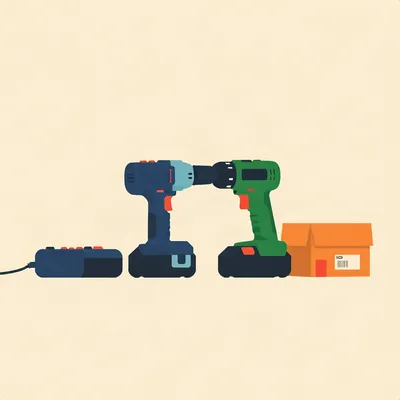
#5744: Blue Tools, Green Tools: Inside Bosch's Channel Strategy
Why Bosch sells two tool lines under one name — and why the green one wasn't sold in America for decades.
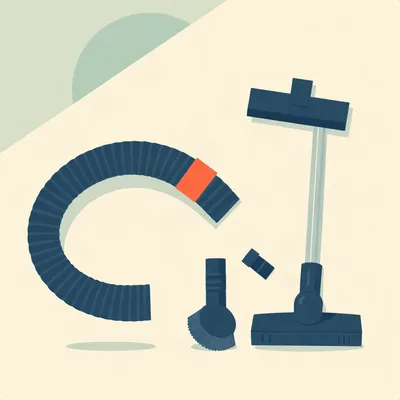
#5740: Your Vacuum's Best Upgrade Is the Head
Most people use 30% of their vacuum's capability. The cheapest fix isn't a new machine — it's the nozzle on the end.

#5737: Why Measuring a $4 Spudger Tip Is Weirdly Hard
A listener wants to put a number on his spudger's tip thickness. Turns out that's a real metrology problem.

#5707: Epoxy vs Superglue: The Tooling Gap Nobody Talks About
Epoxy beats superglue on every measurable axis — so why does everyone still grab the tube? The answer is metering, and the tools that fix it.

#5704: Superglue: One Drop, Two Reactions, Five Mistakes
One part, no mixing, seconds to set — and most of us have been using it wrong since we were nine.

#5679: Glue, Don't Bolt: Anchoring Road Studs and Soil Anchors
Road studs get glued, not bolted — and plows eat anything proud of the pavement. Soil anchors are a different physics problem entirely.
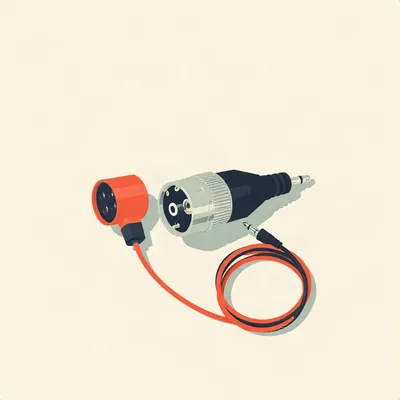
#5676: DIY Cable Guide: Barrel Jacks, XLR, and What to Avoid
Soldering your own cables won't save money — it buys exact-length runs. But some connectors hide polarity traps and tooling costs.

#5675: Wiring a UK Plug: Copper, Tools, and the 1mm Rule
How much copper should show on a UK plug? Why one stray strand matters, and the flush cutter that beats electrician's scissors.

#5674: Sharpen vs Hone: The Right Knife Tool
A whetstone is the pro's choice — but it might be the wrong tool for the knife you actually own.
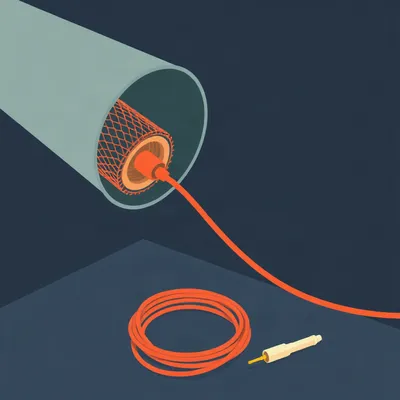
#5665: Fiber Through the Conduit: Bends, Dust, and Pull Socks
A failed Ethernet crimp caps a link at 100 megabit. Can the same conduit carry 10GBASE-SR fiber instead?

#5655: Organizing the Electronics Repair Bench
Why phone repair benches resist order, and the trays, lights, and magnification that fix it.

#5654: Why Hand Driving Beats Power Tools on Tiny Screws
A precision screwdriver set, ESD tweezers, and a spudger — the case for the manual tool in a world that reaches for the motor.