
Taxonomy and Classification
112 episodes · Page 3 of 5
#3578: Did Sloths Shrink on Purpose?
How giant ground sloths became tiny tree-dwellers—and whether they feel shame about it.
#3557: Does Your DNA Change Over a Lifetime?
DNA isn't a fixed blueprint. It mutates with age, and fathers pass those edits to their children.

#3495: Is Premium Ice Cream Actually Good for You?
Premium ice cream's food matrix, protein structure, and cold temperature may make it easier to digest than you'd think.

#3378: School Start Ages and Homeschooling: What the Data Actually Says
Does starting school later or homeschooling more actually improve outcomes? The data might surprise you.

#3373: What Feral Cats and Goldfish Reveal About Animal Minds
From feral cats in Jerusalem to goldfish memory myths—what do we actually know about animal inner lives?

#3368: Can Antibiotics Ever Beat Evolution?
Bacteria share resistance genes across species. Can we design drugs that make resistance self-defeating?

#3132: Why Your Storage Bins Don't Stack (And How to Fix It)
One cubic foot could fix your garage chaos — if manufacturers would agree on it.

#3119: How to Catalog Your Entire Home Without Losing Your Mind
One listener spent 3 years cataloging thousands of items. Here’s what he learned about systems that actually survive.
#3118: Anteaters: Savanna Animals, Not Jungle
Brazil has the most, but Paraguay has the highest density. And no, they don’t just eat ants.
#3105: The Four-Hundred-Year-Old Pen That Outperforms Modern Tech
A 400-year-old tool still draws lines thinner than any modern technical pen can manage.

#3099: How Car Mechanics Master 50 Vehicles a Week
The hidden systems thinking that lets mechanics fix any car and how you can apply it.

#3080: How Flags Actually Pick Their Blues
Pantone, RAL, and NCS — three systems, three philosophies, and one very blue flag.
#3047: Frankincense in Your Laundry: Scent Chemistry Explained
How ancient temple resin ended up in detergent, and the chemistry that makes it work.
#3028: Göbekli Tepe: What 11,600-Year-Old Stones Reveal
How did pre-agricultural people quarry 20-ton pillars? This ancient site may rewrite the story of civilization.
#3019: Dry Red Wines Without the Tannic Punch
A practical guide to finding dry, low-tannin red wines in Israel — from Carignan to Gamay, with shop tips and a note-taking system.
#3016: Sleeping with Strangers: Medieval Inn Life
Medieval inns weren't dirty hotels—they were legally regulated public utilities where you shared a bed with strangers.
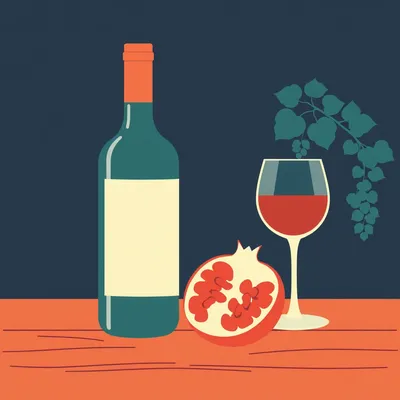
#3011: Why Grape Wine Won the Monopoly Game
Why pomegranate wine and other fruit wines can't compete with grapes — and which exceptions actually broke through.
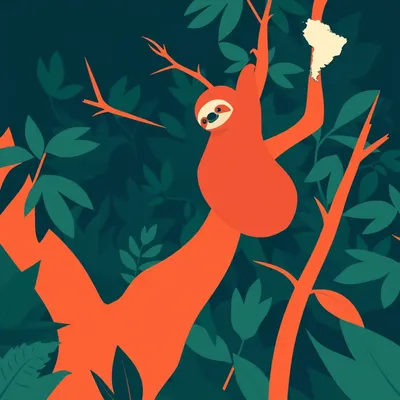
#3004: Which Country Has the Most Sloths? (It's Not Costa Rica)
Brazil has 10-15x more sloths than Costa Rica. But you're still more likely to spot one in Costa Rica. Here's why.

#3002: The Secret Flags You’ll Never See
Most countries have official flags for offices and royals that almost nobody ever sees. Who designs them, and why do they exist?

#3001: Why Every Flag Is a Rectangle (Except One)
How maritime warfare and mass production made nearly every national flag a rectangle — and why Nepal's stubbornly isn't.
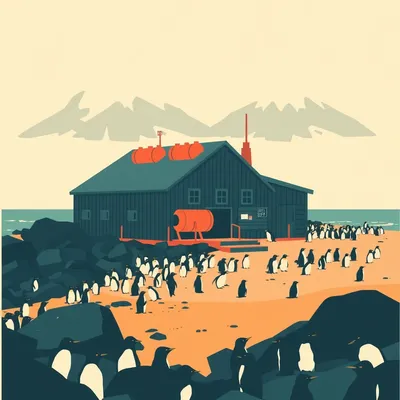
#2998: The Rat-Free Island: South Georgia's Wild Comeback
From industrial whaling to the largest rat eradication ever attempted — the incredible story of South Georgia's transformation.
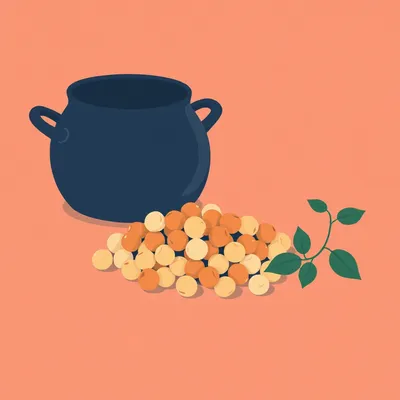
#2995: The Chickpea's 10,000-Year Journey
From Neolithic fields to vegan meringue — the surprising story of the world's second most consumed legume.
#2992: The Three Lives of Za'atar: Plant, Spice, Identity
A wild herb became a global spice blend. Now overharvesting threatens the hillsides where it grew for millennia.
#2963: The Forgotten Grains That Could Feed a Hungry World
Millet, sorghum, and teff feed half a billion people. So why don't we grow more of them?