
Relationships
297 episodes · Page 9 of 13

#3310: The Brain Science of Conflict Avoidance
Why 42% of adults suppress disagreement—and how to rewire the response.
#3309: How to End a Friendship Without the Slow Fade
The slow fade hurts more than honesty. Research shows direct conversations end friendships cleaner.
#3301: What 36 Really Means for First-Time Dads
Is 36 actually late for first-time fatherhood? The historical data tells a surprising story.

#3297: Why Do Babies Randomly Scream? The Science of Screech-and-Listen
That piercing infant scream isn't just noise — it's vocal practice, acoustic feedback, and a neurological milestone.
#3295: Why Strangers Drain Your Brain
The neuroscience behind why meeting new people exhausts you — and why it's not just in your head.
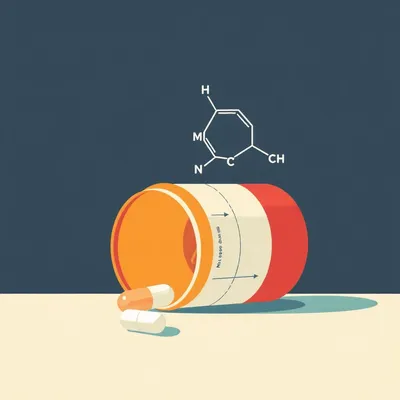
#3248: Why Isn't Modafinil Used More for ADHD?
Modafinil boosts wakefulness and dopamine. So why does it lose to stimulants for ADHD?
#3221: Why Can't Your Partner Reach You? The Family Pager Problem
Smartphones have no reliable urgent notification channel for families. Here's why — and what might fix it.

#3204: The Expectation Cascade: How to Live Your Own Life
Bronnie Ware's deathbed research reveals the #1 regret: not living true to yourself. How to escape the expectation cascade.
#3201: Why Your Baby Isn't Bored in the Kitchen
That kitchen walk isn't boring your baby — it's a sensory masterclass. Here's what the neuroscience actually says.

#3184: The Prank That Fooled Us All
How a sophisticated hoax exploited emotional vulnerability and what it reveals about deception in the AI age.
#3163: How to Learn Life Skills Without the Shame
Why millions of adults can't do laundry without Google — and the emerging market for shame-free skill coaching.

#3160: The Five Pathways to Homelessness (You’re Wrong About One)
26,000 people tracked across 50 cities. Five distinct pathways. One surprising number: 40-50% are employed.
#3130: How to Fight Better: The Science of Healthy Conflict
The first 3 minutes of a fight predict divorce with 90% accuracy. Here’s what to do about it.

#3124: Immigrant Strategies: Enclave vs. Full Immersion
Do enclave builders or full immersionists report higher satisfaction? The data reveals a surprising tradeoff.
#3123: What Research Says About Healthy Families
Beyond the greeting-card version—what the data actually says about what makes families work.

#3087: Inside the Conspiracy Mind: History, Belief, and Harm
Why do humans fall for conspiracy theories? History, psychology, and the surprising data on who actually believes.
#3039: How Airlines Engineer Mass Sleep at 35,000 Feet
Airlines quietly perfected a group sleep induction system. Here's the lighting, meal, and temperature playbook — and how to steal it for home.

#3032: The Karankawa Beyond the Cannibalism Myth
Who were the Karankawa? New genetic evidence and archaeology reveal a sophisticated maritime culture.
#2958: The Lost Art of Bench-Sitting
What Mediterranean bench-sitters know about companionship, longevity, and why doing nothing together matters.
#2895: What Your 10-Month-Old Boy’s Brain Is Actually Doing
The neuroscience behind motor milestones, sleep regressions, and why social media is making parents anxious.
#2808: Falling for Your Chatbot: Love, Loss, and Language Models
Real cases of people falling in love with AI companions, why memory makes it feel real, and what happens when the illusion breaks.

#2730: Late Diagnosis at 57: Rewriting Your Life
What happens when you learn you’re autistic at 57? It’s not just relief—it’s a full rewrite of your entire life story.

#2726: Radio Listening vs Podcast Guilt
Why does podcast listening feel different from radio? A deep dive into attention, multitasking, and the psychology of audio.
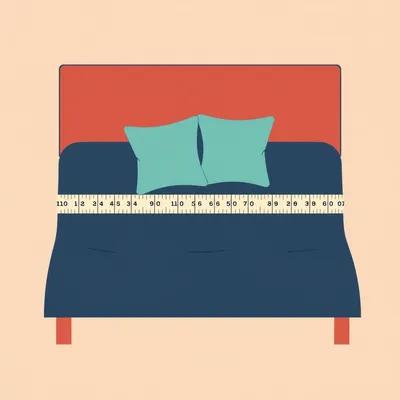
#2623: How Much Bed Space Do You Actually Need to Sleep Well?
140cm bed for two? Research shows a 62% reduction in sleep disturbances just from having adequate space.