
Electrical Grid
77 episodes · Page 2 of 4
#4441: The Unforgiving Cold Chain
How Israel kept Pfizer's vaccine at -70°C from Belgium to Tel Aviv — and why one mistake destroys everything.

#4364: The Physics of Garbage Chutes and Reusable Liners
Why most reusable bin liner alternatives fail against the physics of a 20-floor garbage chute drop.
#4273: UPS vs Generator: Where's the Line Now?
Lithium batteries are making home UPSs bigger and cheaper. But when does a generator still win?
#4236: What Actually Changes at 300 and 600 Meters
The three engineering thresholds that separate ordinary high-rises from supertalls and megatalls — and why you can't just scale up.
#4016: What's Really Inside That Jerusalem Trench
Those concrete pipes and giant cable spools? It's not what you think. Here's what's actually happening underground.
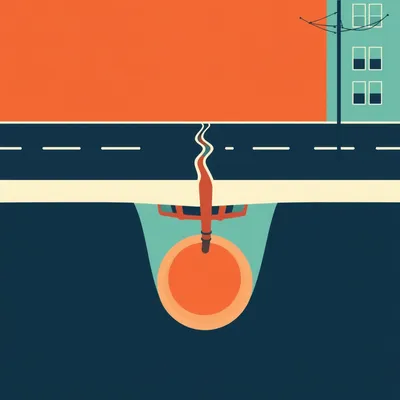
#3987: When the Street Opens Up: Underground Collapse in Israeli Cities
Why do streets suddenly collapse? Aging pipes, not construction, are the real culprit.
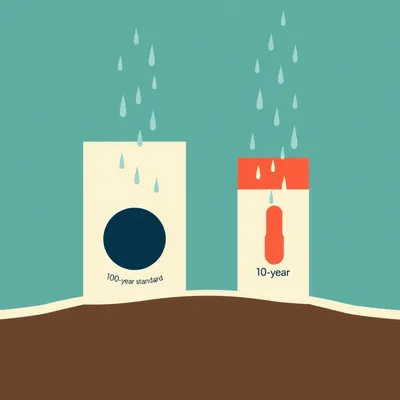
#3979: Why Rain Hits Different in Cork vs Jerusalem
Why moderate rain knocks out power in Jerusalem but not Cork — and what "design return periods" reveal about infrastructure.
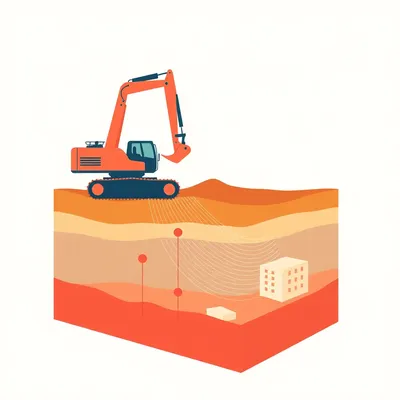
#3964: Why Your Building Won't Collapse During Nearby Construction
How engineers keep buildings safe during excavation — it's not luck, it's physics with paperwork.
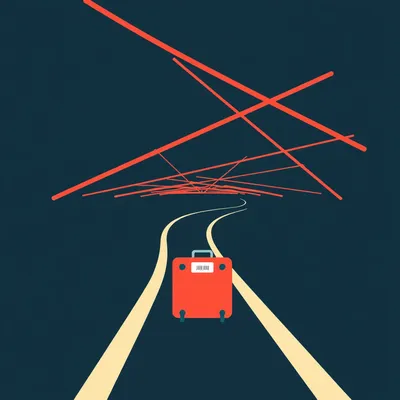
#3957: The Hidden Miracle of Airport Baggage Systems
How baggage systems achieve 99.9% reliability while supermarket scanners fail on curved bottles.
#3956: The Four-Second Crossing: How Traffic Lights Actually Work
A Jerusalem crossing gives pedestrians 4 seconds for 12 meters. The hidden safety systems most people never see.

#3912: Elevators at 46 MPH: Speed, Safety & Algorithms
How do elevators rocket up skyscrapers at 46 mph, and what happens when cables aren't enough?
#3825: Low Voltage, High Stakes: Electricians vs Linemen
Why 120V is "low voltage" and what separates electricians from linemen at the meter.
#3818: Three Fixes for Loose Europlugs in Israeli Sockets
Stop wrestling with loose power tool plugs. Three cheap, practical fixes for the Europlug-to-Israeli-socket mismatch.
#3810: What's Inside Those Fenced Electrical Compounds?
Distribution substations step down high voltage for neighborhoods. Here's how they work and why we need them.
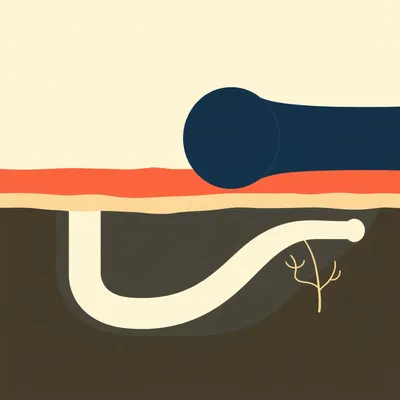
#3809: How 2.4 Million Miles of Gas Pipe Actually Works
The invisible geography under our feet: how gas moves from wellhead to kitchen burner.
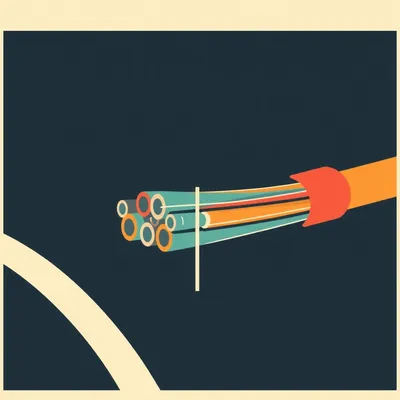
#3806: Why 88% of Fiber Optic Cable Sits Dark
Individual glass strands, thinner than hair, stretching miles with no light. Why does most installed fiber sit unused?
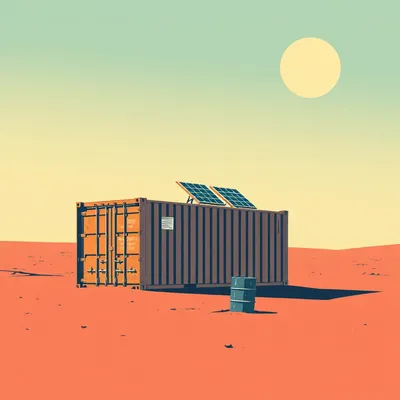
#3573: Can You Live Off-Grid in a Shipping Container in the Negev?
A pragmatic breakdown of whether a $1,300 shipping container in the Negev desert can actually sustain off-grid life.

#3226: Why Your Phone Must Stay in Airplane Mode (Even With Starlink on the Roof)
The paradox of phone bans vs. onboard Starlink, explained through physics, paperwork, and Swiss cheese safety models.

#3191: Why Israeli Housing Feels Like an Oven
European concrete ideals meet Middle Eastern sun, creating a housing crisis baked into the walls.
#3088: Can Old Israeli Apartments Be Fixed? A Renovation Reality Check
Electrical, plumbing, and insulation upgrades in aging Israeli buildings—what's actually possible and what's just myth.
#3059: How Israel's Fiber Sharing Model Cut Prices 40%
How Israel forced infrastructure owners to share networks — and cut consumer prices 40% in six years.

#2989: Why Trains Crash When They Can't Steer
Stopping a train takes miles. Seeing an obstacle takes seconds. That gap explains everything.
#2881: Nuclear's Surprising Role in Clean Energy
Nuclear provides 9% of global electricity but 25% of carbon-free power. Here's how safety has changed since Chernobyl.
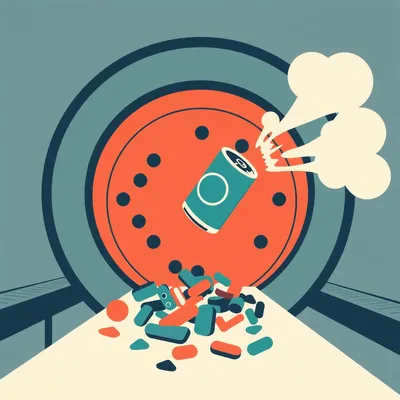
#2866: What Happens to Jerusalem's Unsorted Trash?
Jerusalem doesn't ask you to sort your trash. The machines do it instead — with hyperspectral cameras and air jets.