
NIOSH
Co-documented Alaska fleet injury drop
Episodes
-
 #5758: Why Your Outlet Is 120 Volts and Europe's Is 230The US isn't really a 120-volt country — it's 120/240 split-phase. Here's the engineering logic behind the numbers on your panel.
-
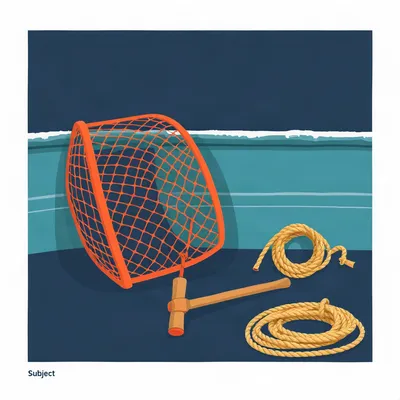 #5590: What Alaskan Crab Deckhands Actually Do18-hour shifts, 800-pound steel pots, and a pay structure that's basically a lottery ticket. The real job behind the TV show.
-
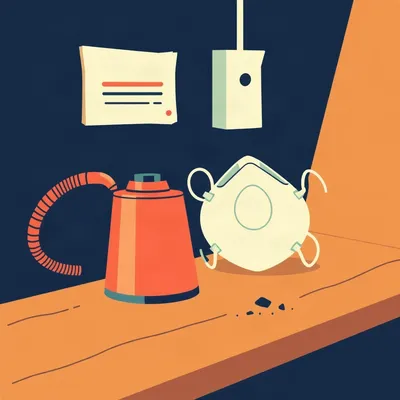 #4805: How a Pig Bladder Became a P100 FilterFrom Roman miners using animal bladders to 3M's electrostatic breakthrough — the strange history of breathing protection.
-
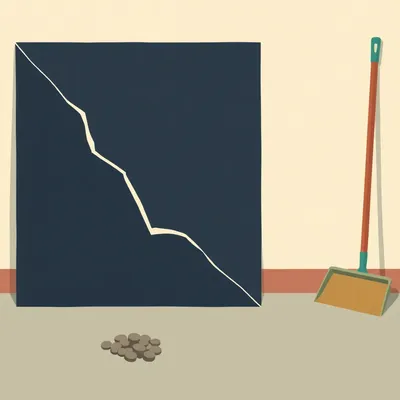 #4742: Asbestos vs Radon: What's Actually in Your Basement?Visual guide to spotting asbestos in old basements, and how short-term exposure compares to radon.
-
 #3864: How to ID Mystery Metal Before You DrillA practical workflow for identifying unknown metals before you engrave, drill, or grind them at home.
-
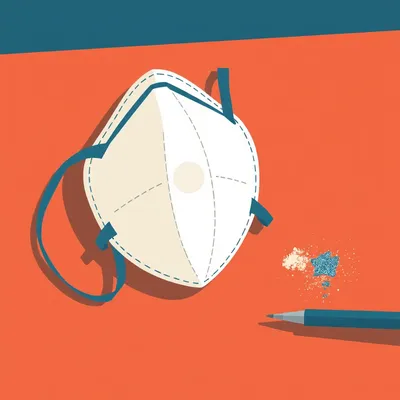 #3696: N95 vs N99 vs SN98: Which Mask Actually Works?N95, N99, and SN-98 masks compared — what the ratings really mean, how fit matters more than numbers, and when to switch to a respirator.
-
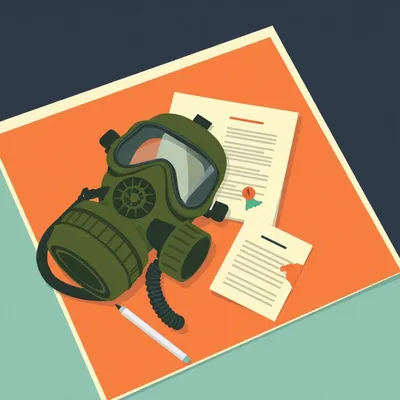 #3670: CBRN Masks vs. Chemical Treaties: The RealityThe difference between a CBRN mask and a chemical mask, and why the global ban on chemical weapons has enforcement gaps.
-
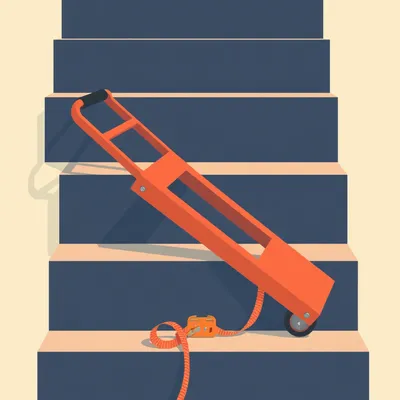 #3325: How to Move Heavy Furniture Without Hurting YourselfTrack-based dollies, sliders, and wheeled bases — the gear that pays for itself in two moves.
-
 #2974: How Safety Vests Actually Reflect LightGlass beads vs. microprisms, ANSI classes, and the physics of staying visible at night.
-
 #2884: How to Pick Safety Glasses That Actually Protect YouANSI Z87.1+ vs. Z87, anti-fog coatings, fit-over goggle seals, and why squinting means your protection failed.