
Barcelona Superblocks
Barcelona car-reduction urban planning program
Episodes
-
 #4082: How Heat, Noise, and Smog Make Us AngrierThree environmental stressors that measurably increase human aggression — and what happens when they hit at once.
 -
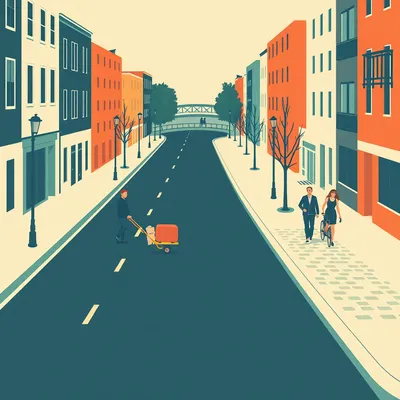 #4032: Venice's Secret: Cargo Lanes for Hand TrucksCan cities learn from Venice's car-free logistics to create dedicated lanes for hand trucks and deliveries?
 -
 #3961: The Trolley Test: How Cities Fail AccessibilityA loaded platform trolley reveals what building codes miss about accessibility. What happens when the ramp is technically compliant but functionall...
 -
 #3439: Why Ashdod Feels Like a Parking LotIsraeli development towns feel empty despite high density. The culprit? 1950s modernist planning.
 -
 #3274: Who Wins When Cars Leave the Street?Removing cars doesn't create abundance—it creates a knife fight over eight meters of asphalt.
 -
 #3240: How to Design Cities for People, Not CarsThe thinkers and interventions reshaping urban streets — without banning cars.
 -
 #3193: Connected Villages: The Real Alternative to Suburban SprawlWhat if suburbs didn't require a car for everything? Exploring transit-first city planning that actually works.
 -
 #3192: Jane Jacobs Made Simple: How Cities Really WorkDecoding the four conditions for thriving cities from the woman who took on Robert Moses.
 -
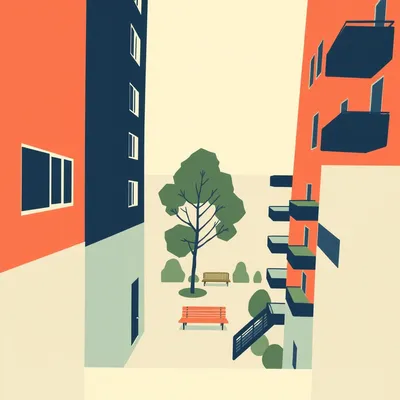 #3186: Walkable Cities Don't Have to Be LoudWhy walkable neighborhoods feel cramped and loud — and how to fix it without sacrificing density.
 -
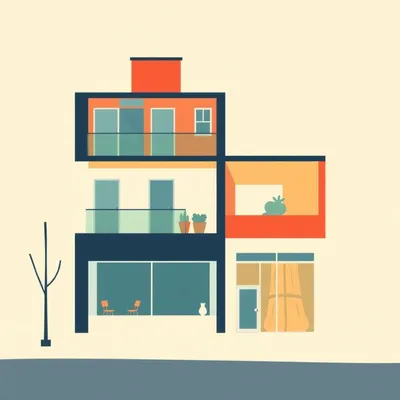 #3178: Can Mixed-Use Buildings Actually Work for Residents?Privacy, noise, and traffic aren't unsolvable — they're design failures. Here's what actually works.
 -
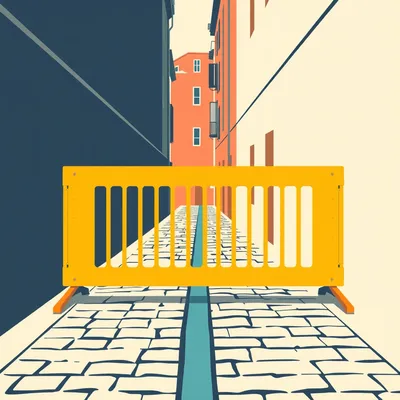 #3084: How Jerusalem’s Light Rail Broke WalkingWhy a 90-minute walk for a package reveals everything broken about how cities manage construction.
 -
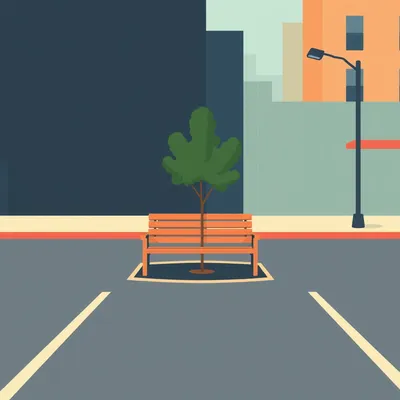 #2748: What Cities Look Like Without CarsHow Barcelona, Paris, and others are redesigning streets for people instead of vehicles — and what we can learn from them.
 -
 #572: Cracking the Code: How Zoning and Policy Shape Our CitiesWhy do our cities look the way they do? Herman and Corn dive into the invisible codes, taxes, and global models that define the urban landscape.