
Science
Scientific topics, research, and discoveries

#5176: IAEA Reports Iran: What the Vote Actually Does
The IAEA Board reported Iran to the Security Council for the first time in 20 years — over 440kg of uranium it can't locate.
#5174: Why Caffeine Can't Push You Through Cognitive Fatigue
What actually happens in your brain when you hit the wall — and why caffeine keeps you awake but can't restore hard thinking.
#5172: Who Decides When a Dialect Becomes a Language?
Languages fork like codebases — and the merge button doesn't exist. Who actually decides when a dialect becomes its own language?
#5168: Ten Inventors You've Never Heard Of
From the yellow traffic light to the geoid model behind GPS — ten inventors whose quiet work reshaped daily life, and why we forgot them.

#5161: How Statistics Get Misread: A Field Guide
Averages, rates, correlations — the ten categories of statistics most likely to fool a general audience, and why the number is usually right.
#5159: Why Your Rescue Inhaler Still Shakes (and What Changed)
Albuterol hasn't changed in decades—but rescue itself just did. Here's why the blue canister still shakes, and what Airsupra fixes.
#5155: Why 3 Days Away Feels Like 3 Weeks
Why a weekend away can restore you more than two weeks with relatives — the psychology of novelty, detachment, and time.
#5151: Why Dry Heat Is a Different Animal
Dry heat at 45°C can be survivable while humid 35°C kills. The physics of sweat, the limits of acclimatization, and what Bedouin trackers see in sand.
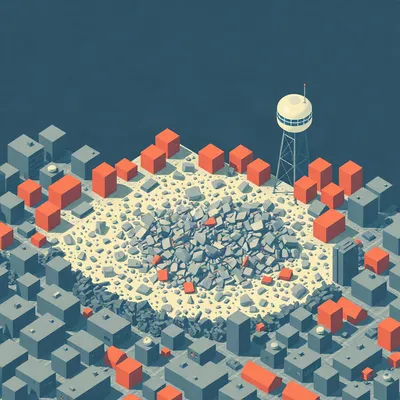
#5149: What 40 Million Tons of Rubble Does to a Landscape
Satellite imagery shows the scale. It doesn't show the eight meters of crushed concrete, the asbestos dust, or the ordnance beneath.

#5148: How the WHO Essential Medicines List Works
Five days in 1977, eight experts, one list that now shapes what billions of people can get from their pharmacies.
#5145: What Life Expectancy Really Meant in the 1600s
That "people died at 35" statistic? It's mostly measuring dead children, not short adult lives.
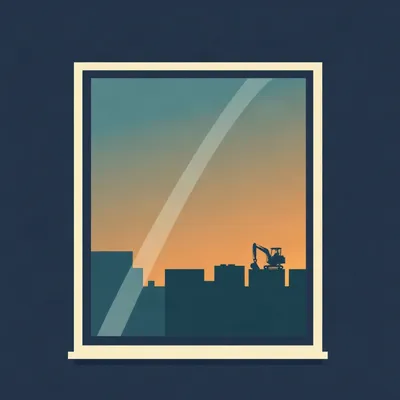
#5128: The 120 Hz Problem: Why Your Window Can't Stop That Jackhammer
A bedroom-shattering 120 Hz tone reveals why low-frequency noise ignores windows, mocks active noise cancellation, and demands real physics.
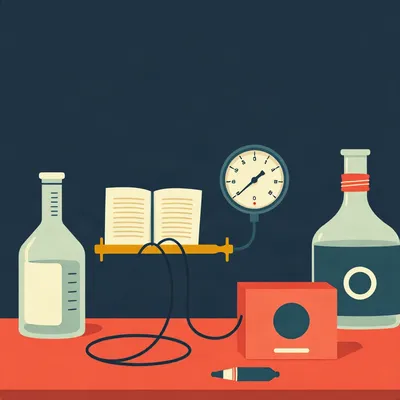
#5126: The Volunteers Who Let Science Shock Them
Charles Dalziel's volunteers endured muscle-locking shocks to create the safety standards we rely on today. What do we owe them?
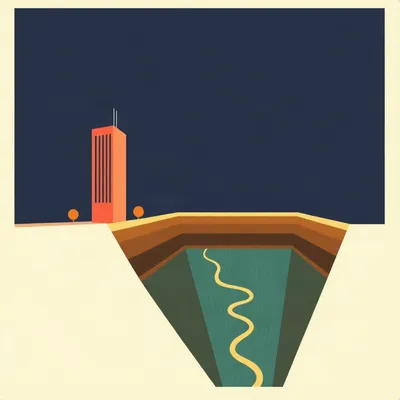
#5120: Why Ground Rumble Ignores Your Acoustic Windows
Acoustic windows can't stop low-frequency rumble traveling through soil. Can wave barriers or base isolation actually work between city buildings?
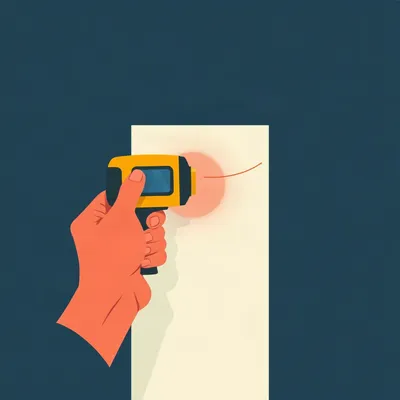
#5112: AC vs. DC: What Actually Happens When You Get Shocked?
Voltage isn't what kills you. Current is. Here's what really happens when AC meets the human body.
#5076: How Memory Palaces and Key Bowls Actually Work
Why checklists fail at the exact moment you need them—and what works instead.
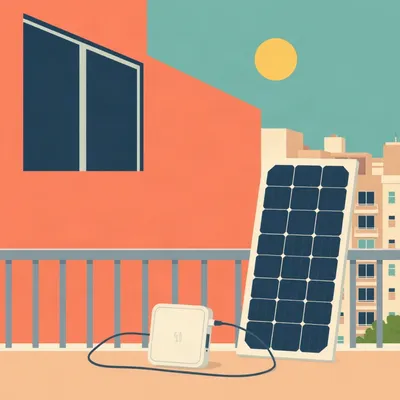
#5047: Balcony Solar in Jerusalem: What's Actually Possible?
Can a rented balcony in one of the sunniest cities on Earth power your gadgets? The physics says yes. The law says maybe.
#5035: The Map That Lied: Africa vs. Mercator
The UN just voted 164-1 to correct a 450-year-old map distortion. Here's why Mercator still shapes how we see the world.

#5030: How the Blue LED Quietly Rewired the World's Energy Grid
From 15% of global electricity to under 10%—how a semiconductor breakthrough made lighting nearly free and what's next.
#5029: How Much Tuna Is Actually Safe to Eat?
We break down the science of mercury in tuna, the real symptoms of toxicity, and whether canned fish can actually hurt you.