
#supply-chain
230 episodes · Page 3 of 10
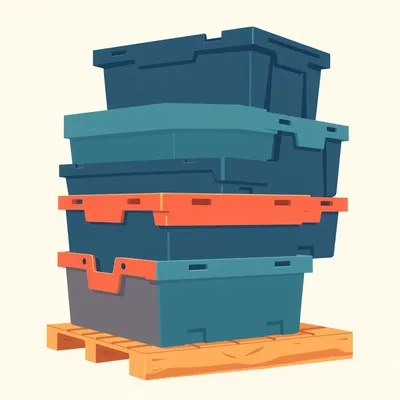
#4506: The Forty-Year Storage Bin
Industrial HDPE containers built for decades of reuse, and the real environmental math behind plastic vs. metal.
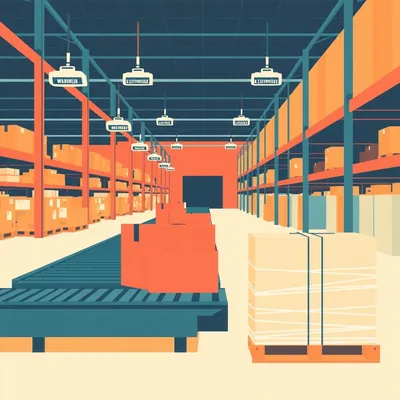
#4501: How AliExpress Consolidation Warehouses Work
Inside Cainiao's cross-dock warehouses that make cheap shipping from China to Israel possible in under a week.
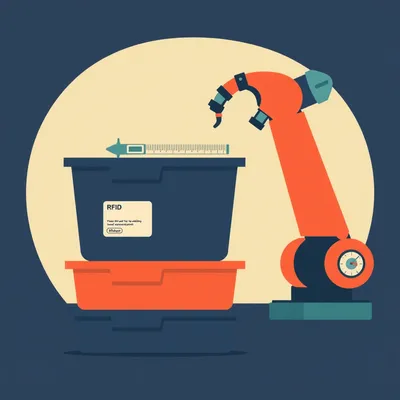
#4492: What Makes a Container Robot-Ready?
The hidden specs that turn a plastic box into something a robot can pick, read, and move at industrial speed.

#4479: What Actually Happens at a Trade Fair?
The hidden economics of why small businesses still travel the world to shake hands with their suppliers.

#4478: Digikey, Mouser, and the Hidden Supply Chain of Components
How Digikey and Mouser quietly keep the global electronics industry running with impossibly large catalogs and same-day shipping.
#4466: Free Your Shopping Cart: Dot Cart Explained
A new open file format lets you export, share, and compare shopping carts across any vendor.
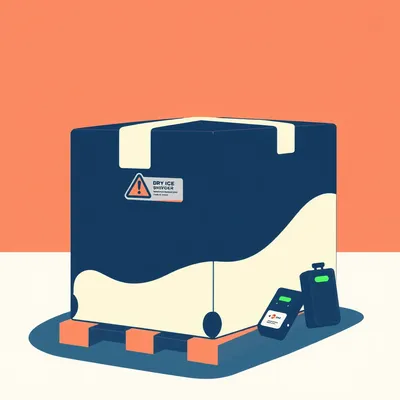
#4441: The Unforgiving Cold Chain
How Israel kept Pfizer's vaccine at -70°C from Belgium to Tel Aviv — and why one mistake destroys everything.
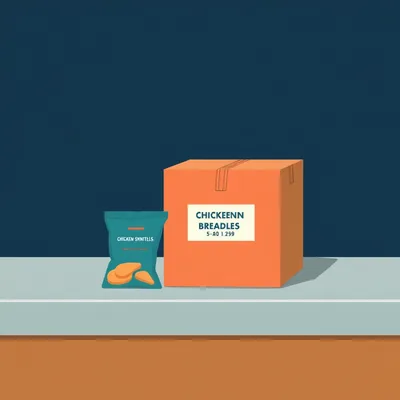
#4438: The Schnitzel Supply Chain Loophole
Why you're paying 70% more for the exact same frozen chicken at the supermarket.

#4437: How Toyota and Motorola Cracked Process Innovation
The real story behind Toyota Production System and Six Sigma — born from crisis, not philosophy.

#4436: What Print-on-Demand Teaches Us About JIT Logistics
How Toyota's four-hour inventory system connects to books printed only when you order them.
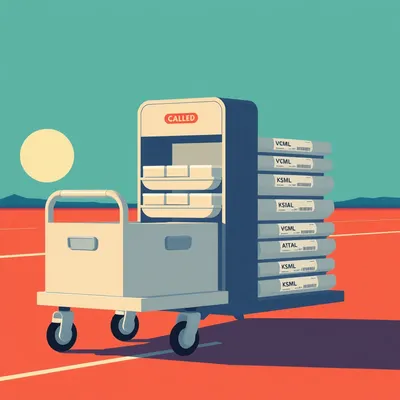
#4435: How 30 Meal Codes Feed 300 Passengers
The hidden supply chain behind your in-flight meal — from IATA codes to RFID-tracked carts.

#4411: Who Decides What's Kosher? The Tzohar Fight
Why Israel just reversed recognition of Tzohar's kosher certification — and how we got to a world of competing hechshers.

#4364: The Physics of Garbage Chutes and Reusable Liners
Why most reusable bin liner alternatives fail against the physics of a 20-floor garbage chute drop.

#4363: Kosher MREs: Edible or Emergency Only?
Are kosher MREs worth $20? We break down the tech, taste, and better alternatives for your pantry.
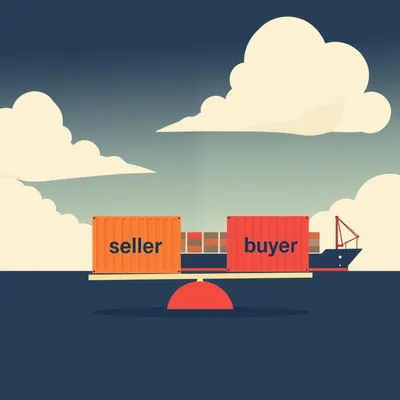
#4357: Incoterms 2020: The Full Walkthrough
All 11 Incoterms 2020 explained — who pays, who risks, and when the skeleton of global trade breaks.

#4356: Eurobox Logistics: From Shenzhen to Your Living Room
How to ship custom Euroboxes from China to Israel without paying for a full container.
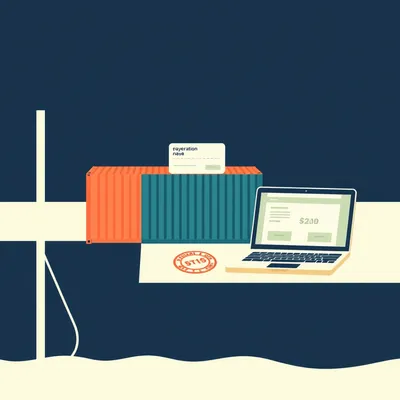
#4298: Does Every Country Trade With Every Other?
Ireland's new settlement goods ban reveals a surprising truth about how we measure — and miss — global trade.
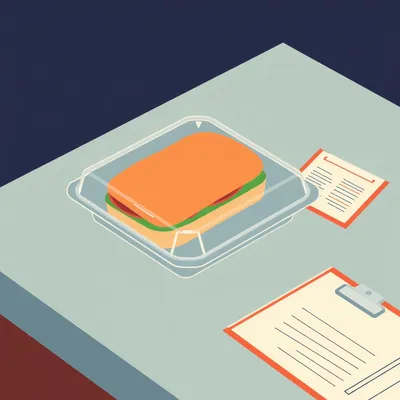
#4297: Can You Hack the Institutional Sandwich Supply Chain?
How to get a fridge full of airline-style sandwiches for $2 each — no loading dock required.
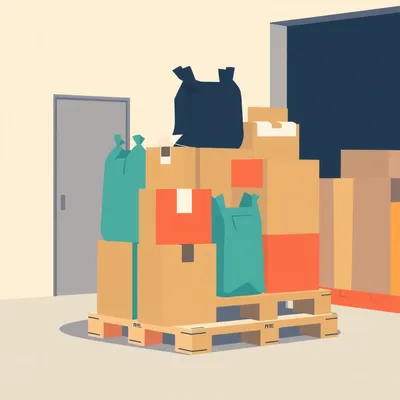
#4287: One Trip, Not Ten: Inbound Package Consolidation
What if all your AliExpress packages arrived as one pallet instead of ten separate pickup trips?
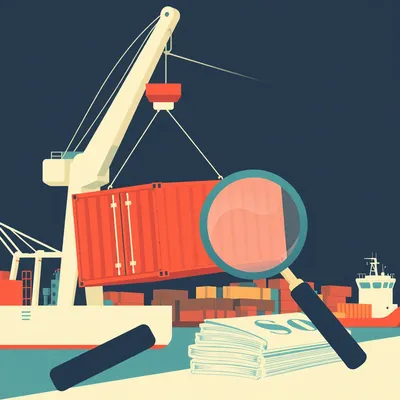
#4266: How to Read a Freight Quote Without Getting Burned
Your $2,200 freight quote just turned into $3,800. Here’s how to spot the hidden fees before you pay.

#4265: Who Actually Handles AliExpress Customs?
What happens when a customs broker emails you about your AliExpress order? Here's how it really works.
#4264: EXW vs FOB: Real Costs and Hidden Fees for China Imports
Which incoterm saves you money? The answer depends on factory location, supplier capability, and hidden fees.

#4239: How to Lock a Box That Was Never Meant to Be Locked
Can you borrow the military's pre-positioning tactic for your own stuff? It all starts with a lockable plastic box.
#4238: How Incoterms Keep Global Trade From Falling Apart
Why a 1936 trade standard still governs global shipping — and where it's starting to break.