
Jane Jacobs
Urbanist behind 'eyes on the street' concept
Episodes
-
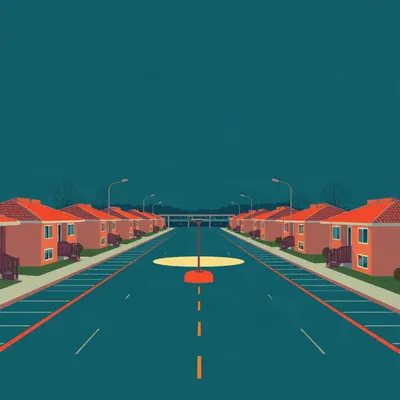 #5896: Modiin, Safdie, and the Suburb That Was Meant to Be a CityMoshe Safdie designed Modiin to be a real city. Thirty-seven years later, residents say there's nowhere to go at night.
 -
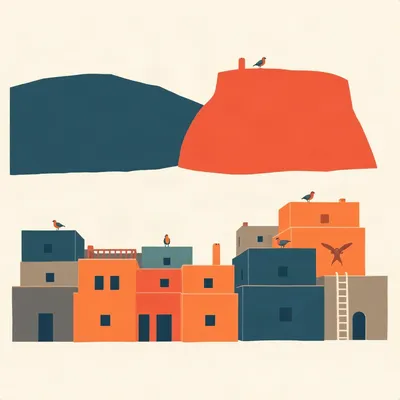 #5895: Can Cities Be Quiet? Designing Density for FamiliesFamilies leave cities for space, quiet, and schools. What if cities could deliver all of that without losing walkability?
 -
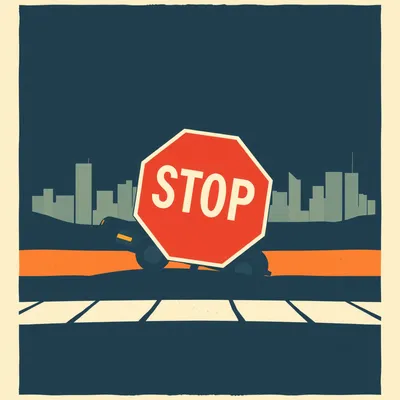 #4504: When Cars Took Over: Traffic Engineering's Origin StoryHow 1920s traffic engineers borrowed from fluid dynamics, and whether AI routing could be a public utility.
 -
 #4026: How to Be the Perfect Coffee Shop Worker (No Laptop Required)The complete guide to working from coffee shops without becoming the backpack person everyone resents.
 -
 #3981: Can a City Designed From Scratch Actually Work?Brasília, Chandigarh, Canberra — why expert-designed cities often feel lifeless compared to organic ones like Jerusalem.
 -
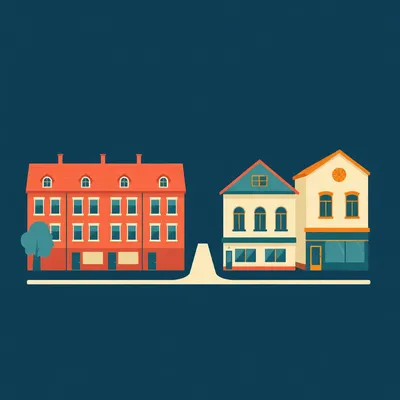 #3599: How Singapore and Japan Master Balanced Land UseTwo radically different approaches to keeping housing, shops, and services mixed together — without leaving it to chance.
 -
 #3587: Surviving the Hallway Shuffle: Building Design & Neighbor AwkwardnessWhy narrow hallways and tiny elevators make neighborly small talk unavoidable — and what to do about it.
 -
 #3439: Why Ashdod Feels Like a Parking LotIsraeli development towns feel empty despite high density. The culprit? 1950s modernist planning.
 -
 #3438: What Makes a Beach Town Charming?Why Israeli development towns like Ashdod lack charm—and how they could retrofit it.
 -
 #3192: Jane Jacobs Made Simple: How Cities Really WorkDecoding the four conditions for thriving cities from the woman who took on Robert Moses.
 -
 #3187: Why Six Stories Became the Global DefaultHow human legs, fire ladders, and elevator economics all converged on the same building height.
 -
 #3178: Can Mixed-Use Buildings Actually Work for Residents?Privacy, noise, and traffic aren't unsolvable — they're design failures. Here's what actually works.
 -
 #2744: What Walkability Actually Means in Urban PlanningThe five D’s of walkability — density, diversity, design, destination accessibility, and distance to transit — explained.
 -
 #316: The Broken Chain of DesignWhy do we love old neighborhoods but feel uneasy in modern towers? We explore the "cult" of architecture and the quest for a human-scale city.