
AI Ethics
76 episodes

#6149: 4 Hard Fails in 84 Answers: Testing AI Bias on Israel-Palestine
A 19-prompt, 6-model eval tested whether AI models push back evenly on false claims about Israel and Palestine. One model failed four times.
#6145: Do LLMs Nod Along With Conspiracy Theories?
A 98-prompt eval asks one question: when a believer brings a conspiracy theory, does the model push back, or help them dig?

#6143: Propaganda Bait: Testing 7 Models in 5 Languages
Five prompts, seven models, five languages — a first look at a benchmark that doesn't exist yet, testing what LLMs do with government talking points.

#6101: When Chatbots Run for Office
From a Wyoming mayoral bot to Albania's AI minister, six real attempts to put machines on the ballot — and what they reveal about empty platforms.

#6068: Chinese AI Models: Refusing vs. Reframing
New studies show Chinese AI models have shifted from refusing sensitive questions to answering them — in the Party's voice.

#5478: When AI Hands Out Your Phone Number
A chatbot gave out a stranger's real phone number. What happens when the model can't forget it?

#5426: AI Wrote His Yom Kippur Prayer
A man skipped synagogue, opened ChatGPT instead, and got a prayer that knew his life. Is AI-generated prayer real prayer?

#5401: When Companies Hide Humans Behind the AI Curtain
A system prompt and a cheap model can make human decisions read like bot output — and that's exactly the point.

#5400: Amy, Presto, and the Thousand Workers Behind "AI
From X.AI's Amy to Amazon's Just Walk Out, the humans quietly doing the "intelligent" part while the product says AI.

#5399: Who's Actually Behind the AI? Fauxtomation Explained
Amazon's Just Walk Out needed 1,000 workers in India. Google Duplex, Facebook M — the pattern of selling humans as software goes deep.

#5300: When the Interviewer Isn't Real
AI avatars are already interviewing job candidates — often without saying so. The disclosure toggle ships off by default.

#5210: How the Placebo Trial Became the Gold Standard
Control groups, placebos, blinding, randomization — four inventions across 250 years, assembled into medicine's most trusted method.

#4412: When Hacking Becomes Disclosure: The Suno Breach
A hacker stole Suno's internal training code and handed it to a journalist. Was it a crime or whistleblowing?

#4340: Building an AI Tutor That Teaches You to Code Without Writing It For You
How to build an AI tutor that assigns projects, reviews code, and remembers what you've learned — without writing your code for you.

#4208: The Awkward Honesty of AI Attribution
Why admitting AI helped feels like a confession — and what emerging norms actually work.

#3852: The Hidden Workforce Behind AI's Intelligence
Behind every "intelligent" AI system are millions of workers in Kenya, India, and the Philippines doing repetitive tasks for poverty wages.
#3724: How the Pope's Letter on AI Actually Works
Unpacking the Pope’s new encyclical on AI: what it is, how Catholics interpret it, and why it matters beyond the Church.

#3595: How DeepSeek Feels More Open Than Western AI
Why Chinese AI models sometimes feel less censored on American political topics than American models do.

#3424: Catching Up on AI Without the Firehose
Four curated sources that filter AI noise into signal — Import AI, The Batch, Stanford HAI, and a podcast.

#3361: What Three Kids' Shows Reveal About AI's Impact on Childhood
Three iconic shows, three theories of childhood — and what happens when AI replaces human creators.
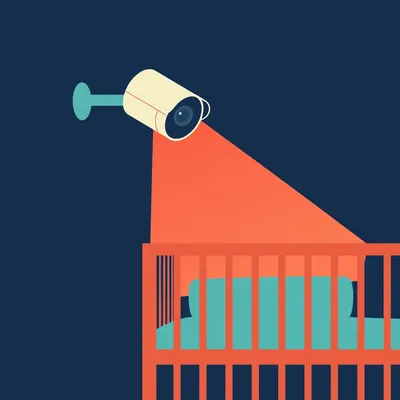
#2939: Can a Security Camera Detect a Baby Not Moving?
Can AI tell when a baby is about to fall—or has stopped moving? We break down what's possible and what's not.

#2909: The Reassurance Mirage: When Moderation Fails
How the EU Digital Services Act exposes a 30-to-1 gap in appeal success rates between platforms.

#2808: Falling for Your Chatbot: Love, Loss, and Language Models
Real cases of people falling in love with AI companions, why memory makes it feel real, and what happens when the illusion breaks.

#2781: When Voice AI Features Enable Fraud
Voice AI platforms now let you simulate background noise, hesitation, and natural conversation — and that's a problem.